Blog Archives - Page 8 of 9 - Super Fabrications

big-fence-urban-park-min-1280x743.jpg

Introduction

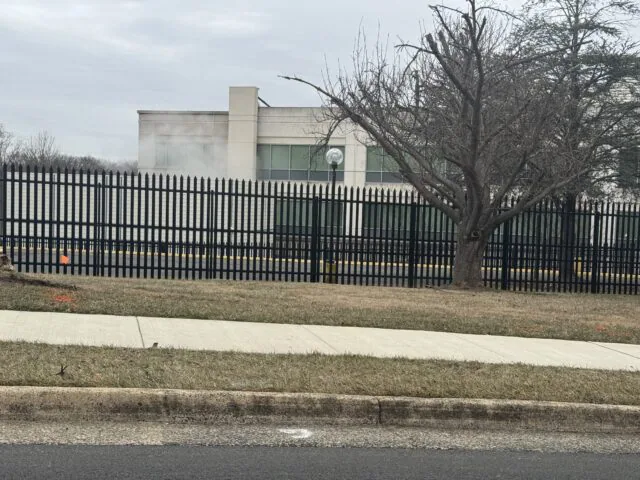
Commercial fencing is more than just a boundary marker—it’s a key part of your property’s security and curb appeal. In today’s competitive market, business owners are being asked to find fencing solutions that are cost effective and durable. This post will show you how to choose affordable commercial fencing without sacrificing quality so you can invest wisely in a solution that’s safe and adds long term value to your property.

By focusing on the 3 key areas of material, design and maintenance you can balance affordability with performance. Throughout this post we’ll walk you through the essential steps to evaluate your fencing needs, compare the different materials and give you practical tips on working with suppliers and contractors. Whether you’re renovating an existing boundary or installing a new fence our aim is to empower you with the knowledge to make an informed and budget friendly decision.

Understanding Your Fencing Needs

Before we get into the details of affordable commercial fencing, you need to know your unique requirements. Start by asking yourself what’s the primary purpose of your fence. Do you need more security, more privacy or just a clear boundary marker? Each of these needs will determine the type of fencing material and design you should choose.

What Do You Want To Achieve

What’s your goal with your commercial fencing? Do you want to deter intruders, create a safe environment for employees or define property lines clearly? Defining these objectives will guide your decision and help you prioritise what matters most.

Look At Your Property

Your property layout plays a big part in determining the right fencing solution. Take note of key areas such as entrances, parking zones and vulnerable entry points. A site survey will help you decide on the right length, height and style of fencing for optimal security and functionality.

Local Regulations and Environmental Factors

Every location has its own set of building codes and zoning laws that will affect your fencing options. Make sure to check local regulations before you finalise any plans. And don’t forget to consider environmental factors such as weather conditions and soil type as they will impact the lifespan and maintenance of your fence.

Match Your Business Image

Affordable commercial fencing doesn’t have to compromise on looks. Think about how the fencing will represent your business. A well chosen design will enhance curb appeal and make a good impression on clients and visitors and also meet security and budget requirements.

Knowing your fencing needs in detail is the foundation to choosing a solution that balances quality and affordability and ends up with a secure, attractive and cost effective outcome.

Evaluating Different Fencing Materials

When it comes to affordable commercial fencing the material choice is key to balancing cost, durability and aesthetics. Each has its pros and cons so understanding these will help you make an informed decision that meets your security needs and budget constraints.

Chain Link Fencing
Chain link is a popular choice for commercial properties due to its affordability and ease of installation. Not the highest in visual appeal but durable and low maintenance, perfect for businesses that are focused on security and cost.

Aluminum and Steel Fencing
For style and strength aluminum is a lightweight yet robust option. It has a clean modern look and is corrosion resistant, suitable for most environments. If security is key then steel is stronger and more durable. But steel requires more regular maintenance to prevent rust especially in harsh climates.

Vinyl Fencing
Vinyl is valued for its weather resistance and low maintenance. More expensive than chain link or aluminum but worth it in the long run. Durable in harsh conditions makes it a contender for commercial settings where long term reliability is crucial.

Wood and Composite Options
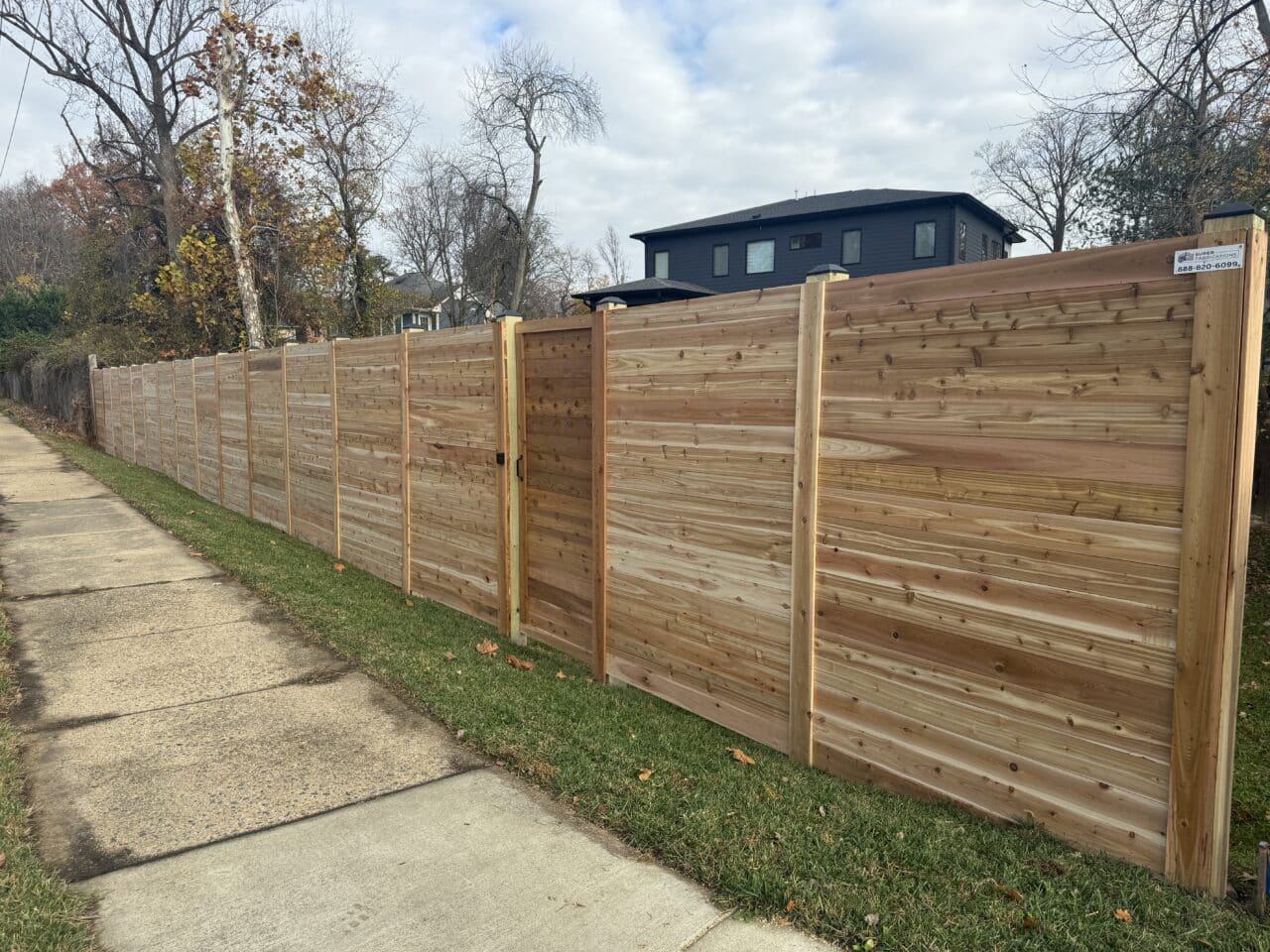
Wood is less common in commercial applications due to higher maintenance needs but can still look great when properly treated. Composite which combines the warmth of wood with durability is gaining popularity. These alternatives require less maintenance than traditional wood and more resistant to environmental factors.

In summary evaluating different fencing materials involves weighing each option’s cost, maintenance and overall impact on your property’s security and appearance. By considering these factors against your needs you can choose a commercial fencing solution that’s affordable and top notch.

Budgeting for Commercial Fencing

Setting a budget is the first step in planning commercial fencing. A budget will help you balance cost with quality so you don’t get caught out with unexpected expenses and still get a secure and durable solution.

Cost Factors to Consider

  • Material Costs: Prices vary across different fencing materials. Chain link is more budget friendly while vinyl or composite may have a higher upfront cost.
  • Installation Costs: Labour, site preparation and equipment costs can blow out the overall cost. Complex installations may require specialized services which will increase the cost.
  • Maintenance and Repairs: Think long term costs. Some materials require more regular maintenance than others which will add to the overall cost over time.
  • Add-ons: Custom designs, decorative elements or additional security features will also impact your budget. Factor these in early to avoid cost blowouts.

Budget Plan

A budget plan should outline every cost from materials to labour. Include a contingency fund – 10-15% of the total budget – to cover any unexpected costs during the installation process. This proactive approach will keep the project within budget while still meeting quality standards.

Quality vs Affordability

Investing in slightly higher quality materials may seem expensive upfront but will save you on maintenance and replacement costs down the track. Compare the long term benefits of durability and lower maintenance against the upfront savings of cheaper options. This is the key to getting an affordable and reliable fencing solution.

Get Multiple Quotes and Financing Options

Get quotes from multiple suppliers and contractors. It will give you a clear picture of the market rates and you can negotiate the best price. Also explore financing options like business loans or leasing plans to manage the upfront cost without compromising on the quality of your commercial fencing.

A budget will not only guide your spending but also ensure you get a fencing solution that meets your security needs and financial constraints and provides long term value for your commercial property.

Assessing Quality Versus Cost

When it comes to commercial fencing, it’s all about juggling quality with price. The initial cost is important but so is how a higher quality product will save you in the long run. A fence that costs a bit more upfront might be more durable, require less maintenance and ultimately save you money overall.

Evaluating quality vs cost means looking at factors like material strength, weather resistance and warranty options. Cheaper options might look good but can cost more to repair and replace if they deteriorate quickly. Investing in better materials will give you more security and peace of mind especially for commercial properties where safety and reliability is paramount.

Also consider the total cost of ownership which includes installation, upkeep and potential future repairs. A well built fence that can withstand the elements might cost more upfront but its longer lifespan and lower maintenance will make it a more cost effective option in the end. Balancing these out requires a thoughtful approach and a careful look at both short term costs and long term benefits.

Comparing Suppliers and Contractors

Choosing the right supplier or contractor for your commercial fencing project is all about finding the balance between cost and quality. Do your research before you make a decision. Look into each supplier’s experience in commercial fencing, their reputation in the market and their credentials and certifications. Ask for references and look at past projects to get an idea of their reliability and quality of work.

When comparing suppliers consider the range of products they offer and the level of customization they provide. A supplier that gives you detailed product information and expert advice on what materials are best for your project will help you make an informed decision. Similarly when evaluating contractors look at their installation methods, adherence to safety standards and customer service. A contractor with a proven track record of successful installations and on time project completion will add significant value to your investment.

Clear communication and transparency is key during the selection process. Set clear expectations early and confirm that the supplier or contractor is committed to providing full support throughout the project to avoid any misunderstandings. Request detailed quotes and compare them side by side to identify the hidden costs and you’ll get the best overall value.

Take your time and compare your options and you’ll end up partnering with people who understand your vision and can deliver results that meet your security needs and budget.

Installation and Maintenance Considerations

A good commercial fencing project starts with proper installation. A thorough installation will ensure your fence performs and lasts. Working with professionals who understand local conditions, follow industry best practices and can handle any unique issues with your property is key. Proper installation minimises the risk of structural issues and reduces the cost over time.

Just as important is the ongoing maintenance of your commercial fence. A well installed fence still requires regular checks and maintenance to keep it in good condition and looking good. Weather conditions like heavy rain or extreme temperatures can accelerate wear and tear so maintenance is part of looking after your investment. Simple things like cleaning, tightening loose fixings or applying a protective coating can extend the life of your fence by years.

Planning for maintenance should be part of your initial budgeting and project planning. Consider working with contractors who offer maintenance services or warranties so any repairs can be done quickly and efficiently. Being proactive with maintenance will not only extend the life of the fence but also the aesthetic value of your commercial property.

Case Studies and Success Stories

Real-world examples show the value of affordable commercial fencing. One manufacturing facility in the Midwest had to secure its large outdoor storage area without breaking the bank. By going with a galvanized chain link system with extra security features they got a solid perimeter and lower maintenance costs. This smart investment kept their property safe without overspending.

Another success story is a suburban business park that needed a modern and budget friendly fencing solution. The park management chose aluminum fencing for its durability and looks. The result was a clean, low maintenance installation that improved the park’s image and secured the tenants. This is an example of how choosing the right material for the job can give you both form and function.

A retail complex in an urban area also shows the power of smart budgeting and quality. With the dual demands of securing busy loading docks and looking welcoming, the complex went with a vinyl fencing option. This was a cost effective solution that was tough against urban environmental challenges and required minimal maintenance, proving you can have attractive and durable on a budget.

These examples show that a well planned approach to affordable commercial fencing can do a lot. They show the importance of assessing your needs, choosing the right material and working with experienced professionals to get the balance of cost, quality and long term value.

Final Tips and Recommendations

When you’re done searching for cheap commercial fencing, remember these tips to get it right. Take the time to assess your property’s needs and look at a range of materials that balance cost with durability. Think long term by considering not just the initial cost but the maintenance and repair costs over the life of your fence.

You need to partner with reputable suppliers and experienced contractors who offer transparent pricing, solid warranties and good after sales support. Clear communication and proper planning will prevent unwanted expenses and keep your fencing solution quality and secure.

Remember, a well designed, properly installed fence will enhance both the functionality and appearance of your commercial property. With planning and informed decision making you can get a cost effective solution that doesn’t compromise on quality and your business will be secure and looking good for years to come.

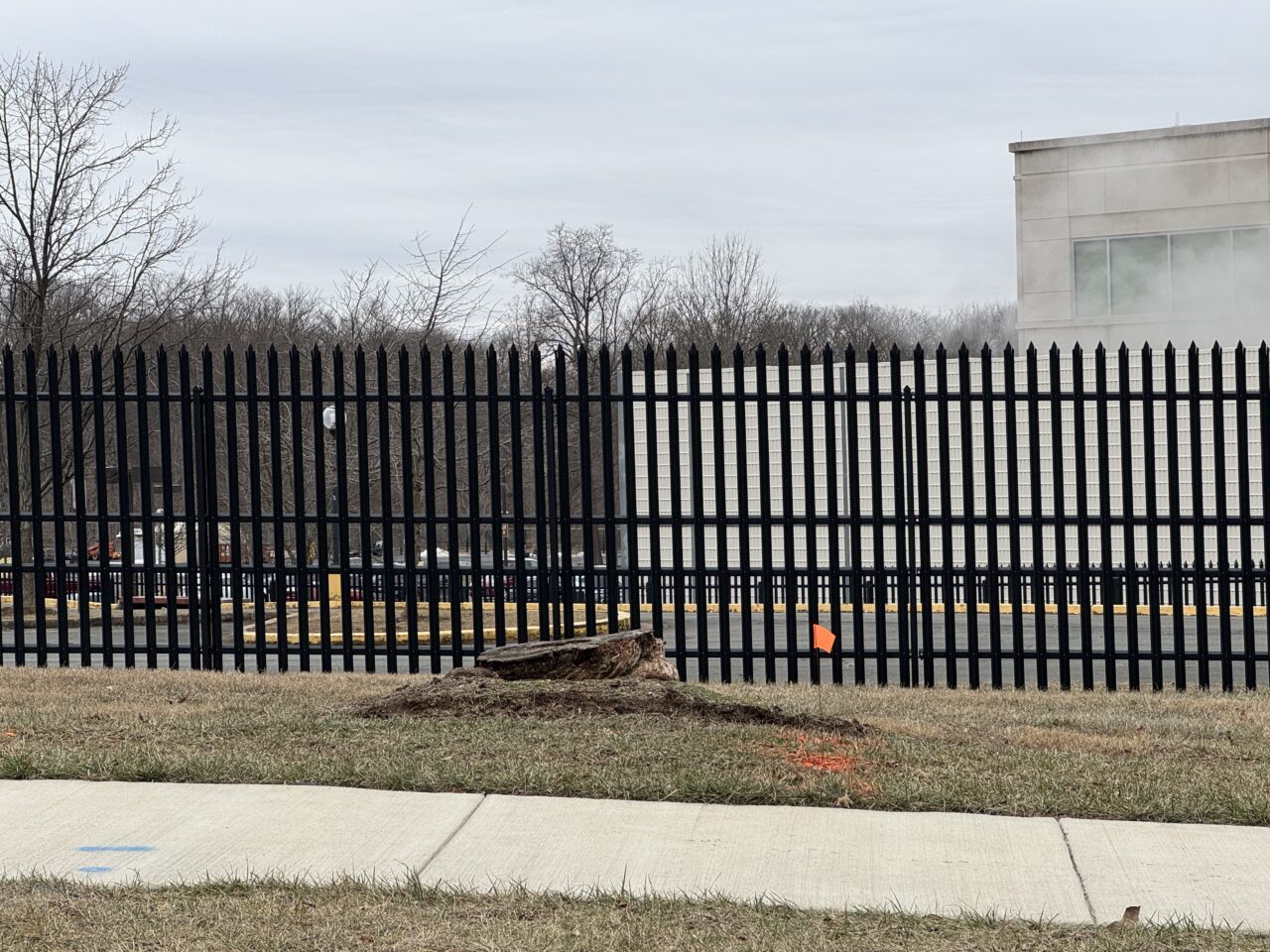
Durable-Residential-Fencing-1280x820.jpg

Introduction to Durable Residential Fencing

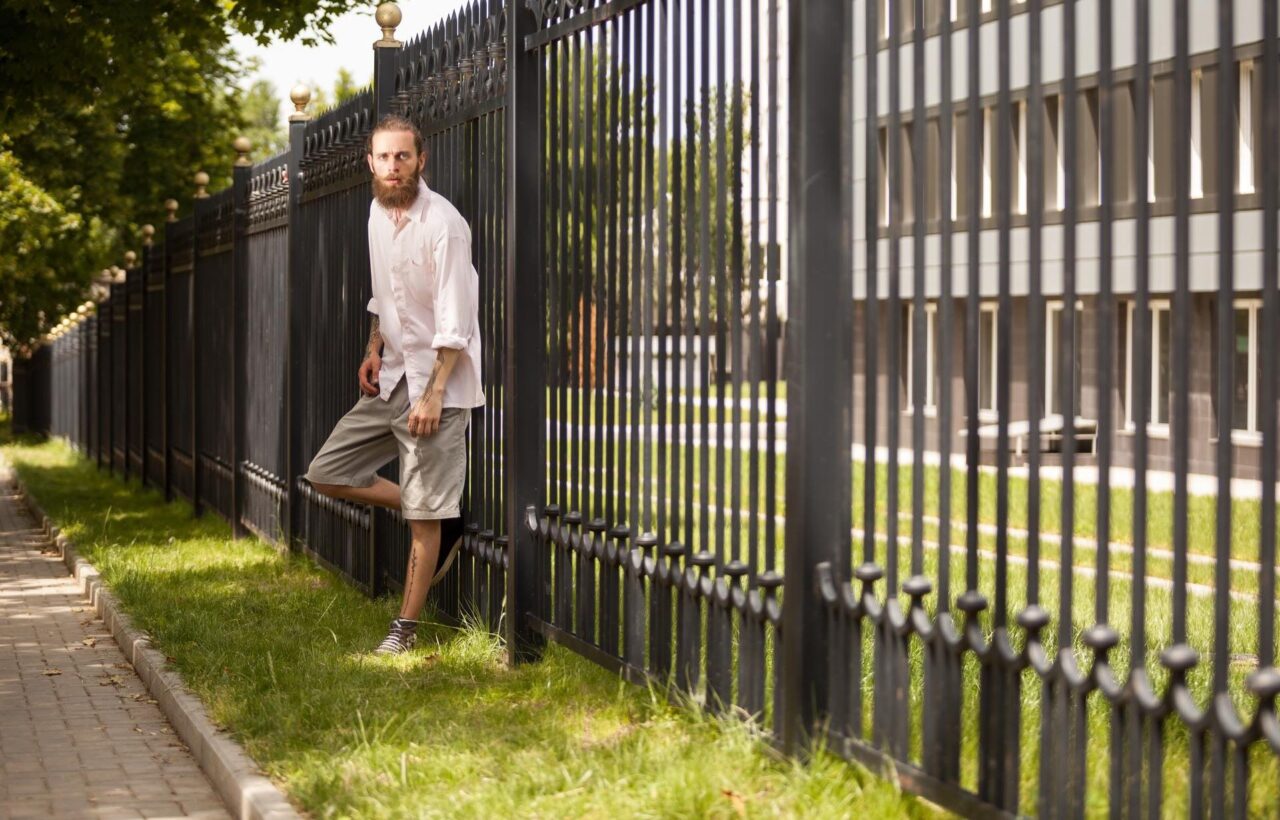
A residential fence is crucial for your home, looks and value. By using good quality materials and proper installation you can have a fence that stands the time – resisting daily wear and tear and looking good. Whether you want to boost security, privacy or add a touch of style to your landscaping, a durable fence is a practical long term solution for homeowners. This guide will take you through the key considerations for choosing, installing and maintaining a residential fence that gives you protection and curb appeal.

Key Benefits of Investing in Long-Lasting Fencing

Residential fencing isn’t just about a barrier around your property its about investing in a long term asset that will increase your home’s value and appeal. Here are the benefits:

  • More Security: A good fence adds an extra layer of protection to deter intruders and keep your family and belongings safe.
  • Better Curb Appeal: Long lasting fencing gives you a polish look that increases your home’s attraction.
  • Less Maintenance: High quality materials like vinyl, steel and some wood types need less repairs over time and save you money.
  • Long Term Value: By choosing durable materials you’re making a cost effective decision that will extend the life of the fence and give you a higher return on investment.
  • More Privacy and Comfort: A sturdy fence shields your outdoor areas from prying eyes and gives you and your family a private and comfortable space to relax.

Most Common Durable Fencing Materials

When looking for a fence that can withstand the elements, vinyl is often the go-to because it doesn’t warp, rot or get eaten by insects. It requires minimal upkeep and looks clean and modern. Metal fences – especially those made from aluminum or steel – are popular for their strength and low maintenance.

Aluminum resists rust and is lighter so it’s easier to install, steel offers more security and longevity. Wood is a classic favorite because of its natural charm but not all wood is created equal. Cedar and redwood have natural oils that help them resist decay and with proper sealing or staining these can last for many years.

Composite fencing is another up and coming option. Made from a blend of wood fibers and plastic it looks like natural wood without the maintenance.

Chain link fencing isn’t always the most stylish but is very durable and budget friendly so it’s a good choice for homeowners who prioritize longevity and function. No matter which material speaks to your style or budget focus on quality and proper treatment and your fence will be strong and looking good for years to come.
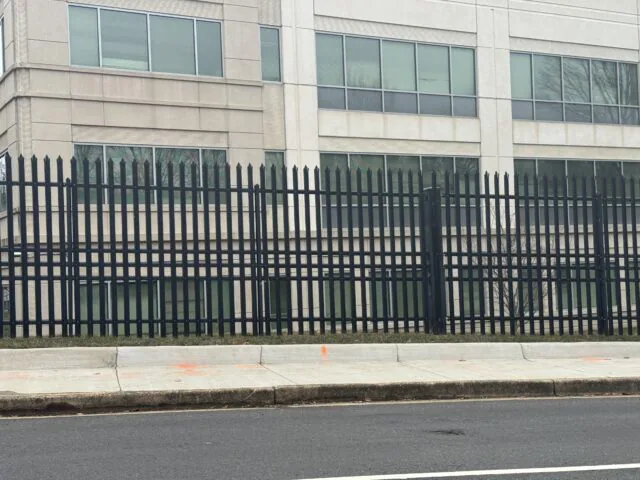
Choosing the Right Style for Your Home

Choosing a fence style is all about balance between personal taste, the style of your house and the function you want the fence to serve. For a modern house with clean lines, aluminium or vinyl will keep it modern. Traditional or rustic houses look great with wood or composite with a natural finish that matches the surroundings.

When choosing a colour palette think about how the fence will sit with the existing trim, landscaping and exterior paint. A good style will frame your outdoor space beautifully and enhance the front of the house so the fence feels like an extension of your property not an after thought.

Maintenance and Care Tips for Maximum Longevity

Regular maintenance is the key to extending the life of your fence. Simple things like rinsing away dirt and debris prevents build up that can rot or rust. In areas of heavy rain or humidity you should reseal or paint every now and then to keep your fence moisture damage free.

For wood fences apply a weatherproof finish or stain to prevent warping and cracking. Check for loose parts, rust spots or any signs of insect damage and address them before they get worse.

Being proactive with simple maintenance not only keeps your fence looking great but also preserves the overall look so you can enjoy long term durability and a clean look that matches your home’s exterior.

Balancing Security, Privacy, and Curb Appeal

You can have security without sacrificing style or privacy. Pick the right materials, height and design and you can have a barrier that keeps out intruders and looks good. A fence with minimal gaps and closely spaced pickets is more private, an ornamental metal fence is more open if you like an open look.

Adding self latching gates or extra height can add another layer of security and thoughtful landscaping can soften the fence so it doesn’t feel imposing. When you balance all this you’ll have a fence that feels like part of your home – security, seclusion and a beautiful face.

Installation Options: DIY vs. Professional

Whether to do it yourself or hire a pro depends on your budget, time and how much expertise you have. Doing it yourself will save on labor and give you a sense of accomplishment but requires planning, special tools and willingness to handle unexpected challenges like uneven terrain or tricky property lines.

Professionals bring experience that can speed up the process and avoid common mistakes, from getting permits to making sure the fence is level, sturdy and code compliant.

Hiring a pro costs more upfront but their craftsmanship and efficiency will give you a fence that looks great and lasts for years to come.

Comparing Costs and Return on Investment

Fencing costs vary greatly depending on materials, labor rates and size of property. While premium options like steel or cedar may be more upfront cost, they will pay off in lower maintenance and longer life. Sometimes choosing cheaper materials means more repairs or replacements which can add up over time.

From a resale perspective homes with sturdy, well maintained fences attract buyers who appreciate the extra privacy, security and curb appeal. By weighing the upfront cost against the long term benefits – fewer repairs, higher property value and overall peace of mind – you can feel good a durable fence is a smart financial decision in the long run.

Common Mistakes to Avoid When Selecting a Fence

Don’t rush into a fencing project without doing your homework. One of the biggest mistakes is choosing a material based on price and not durability and maintenance. Omitting the permit process or ignoring local zoning laws will get you fined or having to remove or move your fence altogether.

Not addressing slopes, soil conditions or your climate will shorten the life of your fence. And not talking to your neighbors or accurately surveying your property lines will create disputes and stress.

By taking the time to plan, verify and invest in quality materials for your environment you can avoid all these and have a fence that truly compliments and protects your home.

Final Thoughts and Recommendations

A good residential fence is more than a boundary – it’s a long term investment in security, privacy and property value. By choosing the right materials for your local climate, planning before you install and maintaining regularly you can have a fence that is functional and looks great for years to come.

Remember to consider your home’s style, neighborhood regulations and budget constraints to find the balance of style and practicality. With the right amount of research, planning and maintenance a good fence can add curb appeal to your home and give you long term peace of mind.


Residential-Security-Fencing-1280x776.jpg

The Importance of Residential Security Fencing

Residential security fencing isn’t just about a boundary—it’s your first line of defence. For Maryland and Northern Virginia homeowners, a well-designed fence gives peace of mind, deters trespassers, and increases property value. By defining your property line, you’re telling the world safety is important.

Beyond deterring unwanted visitors, security fencing has many other benefits:

  • Privacy: A fence keeps your yard out of sight of passersby so you can enjoy your outdoor spaces with more comfort.
  • Safety for Children and Pets: Fencing your property keeps loved ones inside a safe environment and away from busy roads and unknown animals.
  • Property Value: A secure and attractive fence may appeal to buyers, making your home stand out in the neighbourhood.
  • Community Pride: In places like Maryland and Northern Virginia, neighbours take pride in community safety. A strong fence contributes to the overall sense of well-being.

By recognising the importance of residential security fencing, you can take proactive steps to protect your family and your home.

Key Factors to Consider Before Installation

When installing a residential fence, you need to strike a balance between practicality, beauty and local regulations. Homeowners in Maryland and Northern Virginia should consider the following when it comes to a smooth and stress free installation:

1. Property Lines

  • Verify Your Lines: Make sure your property lines don’t conflict with your neighbors.
  • Get a Land Survey: If you’re unsure about your boundary lines, hire a professional surveyor to avoid costly legal issues.

2. Local Codes

  • Research Requirements: Fence height, material and setback requirements vary by county and city.
  • Permits and Paperwork: Some areas require a permit before you start construction, so check with the local authorities to stay compliant.

3. HOA Rules

  • Check Community Covenants: If you live in an HOA governed neighborhood, review their guidelines for fence style, color and height.
  • Uniformity: HOAs aim to keep everything uniform; following their standards will avoid fines or removal orders.

4. Budget and Timeline

  • Total Cost: Factor in material, labor and permit fees when estimating your budget.
  • Long Term: Quality materials may cost more upfront but will require less maintenance and replacement over time.

5. Material Durability

  • Match to Local Climate: Maryland and Northern Virginia have different weather conditions, so choose materials that can withstand humidity, rain and temperature changes.
  • Low Maintenance vs High Maintenance: How much time and effort are you willing to put into maintenance—materials like vinyl and aluminum require less care.

6. Aesthetic

  • Match to Architecture: Choose a design that matches your home’s style and the surrounding landscape.
  • Curb Appeal: A well designed fence can increase property value and make your home more appealing to buyers.

By considering these factors—property lines, local rules, budget and design—you’ll be better equipped to install a security fence that meets your needs, protects your home and enhances its appearance.

Types of Security Fencing Materials

Choosing the right fencing material is key to security and looks. In Maryland and Northern Virginia we have varied weather and neighborhood aesthetics so it’s even more important to choose a material that balances durability, cost and style. Here are some options to consider:

1. Chain-Link Fences

  • Pros:
    • Affordable and fast to install
    • Low maintenance
  • Cons:
    • Limited privacy
    • Not pretty for residential areas

2. Wrought Iron Fences

  • Pros:
    • Super durable and elegant
    • Customizable designs
  • Cons:
    • Higher upfront cost
    • Requires occasional maintenance (e.g. painting to prevent rust)

3. Aluminum Fences

  • Pros:
    • Rust resistant and lightweight
    • Many styles to choose from
  • Cons:
    • Not as strong as steel or wrought iron
    • May bend under impact

4. Steel Fences

  • Pros:
    • Super durable, withstands harsh weather
    • Low chance of bending or breaking
  • Cons:
    • Heavier than aluminum
    • More expensive

5. Vinyl Fences

  • Pros:
    • Easy to clean and maintain
    • Resistant to rot, insects and moisture
  • Cons:
    • Can crack in extreme cold
    • Limited color options

6. Wood Fences

  • Pros:
    • Classic look that can be painted or stained
    • Good privacy
  • Cons:
    • Requires regular maintenance to prevent rot or warping
    • Insect damage

7. Composite Fences

  • Pros:
    • Made from recycled materials, eco-friendly
    • Looks like wood but less maintenance
  • Cons:
    • More expensive upfront
    • Repairs may be more complex

By weighing the pros and cons of each material you can find a fencing solution that meets your security needs, matches your style and withstands the local weather.

Designing a High-Security Fence

Building a fence that really protects your home is about more than just choosing the right materials. It’s about creating a barrier that deters intruders and works with your property and local laws in Maryland and Northern Virginia. A high-security fence uses strategic height, solid construction, and well-placed security features to prevent unauthorised entry.

One of the first things to consider is fence height. While local codes and HOAs may have specific requirements, a fence that’s at least 6 feet tall is recommended for security. Adding anti-climb features like pointed tops or narrow gaps between pickets will reduce the chances of trespassing. It’s also smart to add sturdy gates with good locks and self-closing hinges to prevent vulnerable entry points from being breached.

A seamless design that matches your home’s style will enhance curb appeal without sacrificing security. For example, adding decorative iron or tasteful accents will blend security with style. When paired with thoughtful landscaping—like planting shrubs or thorny bushes along the fence line—you add another layer of deterrence. Balancing style, function, and local laws means your high-security fence will protect your home and the neighbourhood.

Understanding Fencing Regulations and HOA Rules

If you live in Maryland or Northern Virginia, navigating local fencing regulations and Homeowners Association (HOA) rules is a must. Zoning laws, city ordinances and county regulations can dictate everything from how tall your fence can be to what materials and style you can use. Not complying can result in fines or worse, an order to remove or modify the fence – an expensive and time-consuming headache.

If you live in an HOA governed community, there may be additional rules to consider. HOAs have guidelines to maintain a cohesive neighborhood look and feel and that can include rules on fence color, style or placement. Before you start any fencing project review local regulations thoroughly and your HOA’s architectural committee if applicable.

Not only will this help you avoid legal and financial nightmares but also build good relationships with your neighbors and community administrators. When in doubt consider hiring a professional fencing contractor who knows the local permitting process, they can help streamline your project and ensure your new security fence meets all the requirements and gives your home the protection and style it deserves.

DIY vs. Professional Installation

For Maryland and Northern Virginia homeowners, the decision to do it yourself or hire a pro comes down to budget, time and personal expertise. A DIY seems appealing if you want to save on labor or enjoy home improvement projects. But remember, installing a security fence requires precise measurements, proper handling of materials and knowledge of local building codes and HOA requirements. Mistakes in these areas can lead to structural weaknesses or compliance issues that will cost more to fix down the road.

Professional installation gives you peace of mind. Experienced contractors know the local regulations so your fence meets height, material and setback requirements from the get go. They have the tools and know how to install fences efficiently and secure and often provide warranties on materials and workmanship. While hiring pros is more expensive upfront, the long term benefits – durability, minimal repairs and compliance with community standards – often make it worth it. Ultimately, the decision between DIY and professional installation comes down to your comfort level with home improvement projects and your willingness to manage the risks involved in a project that’s crucial for your family’s security.

Essential Security Accessories and Features

Adding the right accessories and features to your security fence can make all the difference for homes in Maryland and Northern Virginia. One of the most important is the gate system—sturdy gates with high quality locks, automatic closing or keypad entry to make it hard for intruders to find weak spots. If you have multiple entrance points on your property, consider a uniform locking system across all gates.

Lighting is another key factor. Motion sensors or floodlights around your fence line will deter trespassers by eliminating hiding spots and increasing visibility. In addition to lighting, consider security cameras or surveillance systems that integrate with smart home devices so you can monitor your property remotely. For homeowners who prioritize privacy as well as security, consider adding privacy slats or screens to certain fence materials like chain-link to make your yard less visible.

And don’t forget landscaping as a natural security feature—thorny bushes or dense shrubs near your fence line will be a physical deterrent without detracting from the fence’s look. By combining robust materials with the right accessories and features you can have maximum security and still enjoy the aesthetic and functional benefits of a well done residential security fence.

Maintaining and Repairing Your Security Fence

Regular maintenance is key to keeping your security fence strong and looking good especially with the crazy weather we have in Maryland and Northern Virginia. Over time exposure to rain, snow and temperature fluctuations can weaken certain materials and cause rust, warping or other kinds of damage. To keep your fence in top shape start with regular visual inspections—look for loose fasteners, cracked boards or signs of rust. Catching small problems early can prevent them from becoming big repairs down the line.

Once you find a problem address it right away based on the material. If you have a metal fence sand off the rust and apply a rust inhibiting primer and paint to extend its life. Wood fences need periodic staining or sealing to protect against moisture and insect infestations. Vinyl fences just need a simple soap and water cleaning to remove dirt or algae buildup. And make sure gate hardware is functional—tighten hinges, lubricate locks and replace parts that show wear.

By being consistent with your maintenance routine—whether it’s a quick monthly check or a comprehensive seasonal assessment—you can protect your investment and keep the fence’s security benefits. A well maintained fence not only protects your family and property but also the overall value and appearance of your home.

Enhancing Perimeter Security with Technology

With smart homes on the rise, adding modern technology to your security fence means more protection and convenience. Maryland and Northern Virginia homeowners have access to weather-resistant surveillance tools and automation systems to keep monitoring your property efficient and reliable. Installing motion sensors or infrared beams along the fence line will trigger an alert or turn on lights if someone tries to enter unauthorized. Security cameras with night vision or thermal imaging will capture clear video in low light conditions and give you evidence in case of vandalism or trespassing.

For added convenience many of these devices sync with your smartphone app so you can monitor your fence in real time and get notifications whether you’re at work or on vacation. Smart locks and gate openers add an extra layer of security so only authorized people can access your property. Voice controlled or app based systems make everyday tasks like granting access to visitors or service providers secure and easy. By combining strong fencing with smart technology you have a multi layered perimeter defense that will deter intruders and give you peace of mind for you and your family.

Conclusion: Protecting Your Home and Family

Picking the right residential security fence and pairing it with design, technology and maintenance is one of the most important things you can do to protect your loved ones and property. Whether you like traditional wrought iron, modern composite materials or a tech enabled perimeter system, the goal is the same: to deter and secure the environment for your household.

By following local codes, balancing form and function and staying on top of maintenance you will have a complete barrier that protects your home and increases its value.

In places like Maryland and Northern Virginia where codes and weather can be so varied, planning and being informed will go a long way to give you peace of mind. A well designed security fence isn’t just an add on to your property it’s an investment in your family’s safety and future.


IMG_7924-1280x960.jpg

Commercial Fence Installation Company

Commercial fencing projects demand more than just installation. They require careful planning and a contractor who understands how to work around active businesses. Super Fabrications provides professional commercial fence installation for businesses, warehouses, industrial facilities, and commercial properties across Northern Virginia. If you need a commercial fence contractor who shows up on schedule and installs it right the first time, you’re in the right place.

Request a Free Commercial Fence Installation Quote →

Professional Commercial Fence Installation for Businesses

Every commercial property comes with its own operational requirements. A distribution centre may need vehicle access maintained throughout the installation, while an office complex may require work to be completed around staff and visitors. Planning for those details before construction begins helps keep the project moving smoothly and reduces unnecessary disruption.

As an experienced commercial fencing contractor, we plan around all of it. We coordinate delivery windows, stage materials out of your operating areas, and schedule installation phases so day-to-day business isn’t interrupted.

Long-term performance starts with proper installation. Post spacing, foundation depth, gate alignment, and material selection all play a role in how well a commercial fence performs over time. Taking care of those details from the beginning helps reduce maintenance issues later.Our crews finish each job with a walkthrough so you sign off knowing the fence meets the plan and the local code.

Commercial Fence Installation Services

We install fencing for a wide range of commercial and institutional sites. Whatever the property, the goal is the same: a secure, professionally finished perimeter installed with minimal disruption.

  • Business parks , clean, uniform perimeters and shared access points across multiple tenants.
  • Warehouses and distribution centers , high perimeter fencing with wide gates sized for trucks and trailers.
  • Industrial facilities , heavy-gauge fencing built to secure equipment yards and restricted zones.
  • Office buildings , a balance of clean appearance and controlled entry.
  • Retail centers , perimeter and dumpster enclosures that keep the site tidy and secure after hours.
  • Schools and campuses , safe, defined boundaries with controlled entry points.
  • Municipal properties , utility yards, parks, and public facilities installed to spec.
  • Multi-family developments , perimeter, pool, and amenity fencing for apartment and condo communities.

Commercial Fence Types We Install

Chain Link Fencing

Chain link remains one of the most practical fencing options for commercial properties because it provides reliable perimeter security without unnecessary complexity. It’s commonly used around warehouses, storage facilities, equipment yards, and industrial sites where durability and visibility are often more important than decorative appearance. Depending on the application, it can also be paired with privacy slats, security toppings, or automated gates.

Aluminum Fencing

Aluminum fencing is often selected for commercial properties where appearance matters just as much as durability. It offers clean architectural lines, resists corrosion, and requires very little maintenance, making it a popular choice for office buildings, apartment communities, schools, and retail developments.

Ornamental Steel Fencing

When a property needs both a professional appearance and real strength, ornamental steel delivers. It suits corporate campuses, institutions, and any commercial property where the fence is part of the first impression but still has to stand up to impact and forced entry.

Privacy and Perimeter Fencing

For facilities that need to screen operations, block sightlines, or tightly control who gets in, we install solid privacy and heavy perimeter fencing with reinforced gates and controlled access points. For high-security systems and layered protection, our commercial security fencing solutions page covers the full range.

Our Commercial Fence Installation Process

Clear communication is just as important as quality installation. Before work begins, we establish the project scope, review site requirements, and coordinate scheduling so everyone involved knows what to expect at each stage. Here’s how we run every project from the first call:

  1. Initial consultation. We talk through what the fence needs to do: security, screening, code compliance, access, and timeline.
  2. Site assessment. We visit the property, check property lines and grade, note utilities, and measure gate and access requirements.
  3. Material recommendations. We match the right material, height, and gauge to your use case and budget, no overselling.
  4. Proposal and scheduling. You get a clear written proposal, and once approved we lock in a start date and handle permit paperwork.
  5. Professional installation. Our crews install to spec, working in phases that keep your operations moving.
  6. Final walkthrough. We inspect the finished fence with you, confirm every gate operates correctly, and clean up the site before we leave.

Ready to start your project? Request a free quote today →

Industries We Serve

Installation requirements shift a lot depending on the property. A distribution center needs cantilever gates wide enough for 53-foot trailers; a school needs safe, sightline-friendly boundaries; a utility yard needs heavy-gauge fabric that resists cutting. We tailor each install to the site.

  • Warehouses and distribution centers , tall perimeters, wide vehicle gates, and secure loading zones.
  • Manufacturing and industrial properties , durable fencing for equipment yards and restricted areas.
  • Schools and campuses , safe, controlled boundaries with clear access points.
  • Municipal facilities , public-property fencing installed to local standards.
  • Office buildings and retail centers , clean, professional perimeters and enclosures.
  • Commercial developments , phased fencing that keeps pace with construction schedules.

Commercial Fence Installation Pricing Considerations

Commercial fencing isn’t priced by a simple cost per foot. Site conditions, fence specifications, gate requirements, and project logistics all influence the overall investment. During the estimating process, we evaluate these factors so your proposal reflects the actual scope of work.

  • Property size , total linear footage of fence line.
  • Fence material , chain link, aluminum, ornamental steel, and privacy options carry different costs.
  • Fence height , taller fencing uses more material and heavier posts.
  • Gates , number, width, and whether they’re manual or automated.
  • Terrain and site conditions , slopes, rock, and hard-to-reach areas add labor.
  • Permit requirements , some jurisdictions require permits and inspections.
  • Security requirements , barbed wire, privacy slats, or reinforced framing.
  • Project complexity , phasing, access limits, and existing fence removal.

If access control is on your list, we also install automated gate systems as part of the fence package.

Why Businesses Choose Super Fabrications

  • Commercial-focused project management: From planning and scheduling to final walkthroughs, every stage is coordinated to keep your project organized and minimize disruption to your operations.
  • Solutions tailored to your property: We recommend fencing materials, gate options, and layouts based on your site’s security requirements, daily use, and long-term maintenance goals.
  • Complete fence and gate installations: Whether your project includes perimeter fencing, vehicle gates, or automated access, we deliver a coordinated solution rather than treating each element as a separate job.
  • Built for long-term performance: Proper installation methods, quality materials, and attention to critical details help ensure your commercial fence continues to perform as intended for years to come.
  • Serving Northern Virginia

We install commercial fencing throughout Northern Virginia, including Fairfax, Loudoun, and Arlington counties. From our base in Vienna, VA, our crews cover business parks in Reston and Herndon, industrial and distribution sites near Dulles, and commercial properties across the surrounding area. Not sure if your site is in range? Reach out and we’ll confirm. You can learn more about our full service on the Super Fabrications homepage.

Commercial Project Gallery

Our completed commercial installations include warehouse perimeter fencing, commercial chain link systems, business park fencing, industrial perimeter enclosures, office building fencing, and heavy-duty commercial gates. Ask us to see recent project photos relevant to your property type.

Request Your Free Commercial Fence Installation Quote

Whether you’re securing a new warehouse, replacing an aging perimeter, or fencing a commercial development, Super Fabrications is ready to help. Tell us about your property and timeline, and we’ll put together a clear proposal for your commercial fence installation. There’s no cost and no obligation to get started.

Request a Free Commercial Fence Installation Quote → or call (888) 820-6099.

Frequently Asked Questions

What types of commercial fences do you install?

We install chain link, aluminum, ornamental steel, and privacy and perimeter fencing for commercial and industrial properties, along with manual and automated gates.

How long does commercial fence installation take?

Timelines depend on the size of the property, the material, and permit requirements. Smaller commercial jobs can finish in a few days, while larger warehouse or industrial perimeters and phased projects take longer. We give you a schedule in your proposal.

What factors affect commercial fence installation costs?

Cost is driven by linear footage, fence material and height, the number and type of gates, terrain and site conditions, permit requirements, and any added security features. We itemize these in every quote.

Do commercial fence projects require permits?

Many do. Requirements vary by jurisdiction and can cover fence height, placement, and materials. We’re familiar with Northern Virginia requirements and handle the permit paperwork as part of the project.

Can commercial fencing include automated gates?

Yes. We install manual and automated gate systems, including slide and swing gates sized for vehicles and trucks, and can integrate access control as part of your fence package.

What fence is best for commercial properties?

It depends on the goal. Chain link is the most cost-effective for security and long runs, aluminum and ornamental steel suit properties where appearance matters, and privacy fencing is best where you need to screen operations. We recommend the right fit during your consultation.

Do you install fencing for warehouses and industrial sites?

Yes. Warehouse and industrial perimeter fencing is one of our core services, including tall chain link, heavy-gauge fabric, and wide vehicle gates for loading areas.

How do I request a commercial fence installation quote?

Contact us through our website or call (888) 820-6099. Tell us about your property and timeline, and we’ll schedule a site assessment and prepare a free written proposal.


IMG_7279-1280x960.jpg

Choosing the right material for your fence is crucial for ensuring it meets your needs for privacy, security, aesthetics, and durability, while also fitting within your budget. The most common materials used for fencing are wood, metal, vinyl, and composite. Each has its own set of pros and cons in terms of durability, maintenance, cost, and aesthetics. This guide offers a comprehensive comparison to help you make an informed decision.

Wood Fence

Durability: Wood fences, depending on the type of wood, can last anywhere from 10 to 30 years. Cedar and redwood are known for their longevity and resistance to rot and insects. However, wood is susceptible to weathering, rot, and insect damage over time.

Maintenance: High maintenance. Wood fences require regular staining or painting to maintain their look and longevity. They may also need repairs due to weather damage or rot.

Cost: Varies widely with the type of wood. Generally, it is considered a cost-effective option for those looking for a traditional look. Initial costs are lower compared to some materials, but maintenance costs can add up.

Aesthetics: Highly versatile and traditional. Wood offers a warm, classic look that can be customized with various paints and stains. It can complement almost any landscape or home design.

Metal (Including Aluminum, Steel, and Wrought Iron)
Durability: Metal fences are highly durable. Aluminum and steel offer robustness against rust and corrosion, especially when powder coated. Wrought iron is incredibly sturdy and can last for decades with proper care.

Maintenance: Low maintenance. Aluminum and powder-coated steel are resistant to corrosion and require little upkeep. Wrought iron may need occasional painting to prevent rust.

Cost: Generally higher initial cost than wood. Aluminum offers a cost-effective metal option, while wrought iron is at the higher end of the price spectrum due to its durability and intricate designs.

Aesthetics: Offers a range of styles from elegant and ornate (wrought iron) to sleek and modern (aluminum and steel). Metal fences can significantly enhance a property’s curb appeal and value.

Vinyl (PVC) Fence

Durability: Very durable with a lifespan of 20-30 years or more. Vinyl fencing is resistant to rot, insects, fading, and weathering. It doesn’t splinter, making it a safe choice for families and pets.

Maintenance: Very low maintenance. Vinyl fences require occasional cleaning with soap and water. They do not need painting or staining.

Cost: Higher initial investment than wood but less than wrought iron. The low maintenance requirements can make it a cost-effective option over its lifespan.

Aesthetics: Available in a variety of styles and colors. Vinyl fencing can mimic the look of wood or offer unique designs. Its clean and crisp appearance is maintained without the need for painting or staining.

Composite Fence

Durability: Composites are made from a mix of wood fibers and plastic and are designed to look like wood. They are very durable, with a long lifespan, and are resistant to rot, insects, and weathering.

Maintenance: Low maintenance. Composite fencing requires occasional cleaning but does not need staining or painting.

Cost: Higher initial cost but cost-effective over time due to low maintenance and durability.

Aesthetics: Offers the natural look of wood without the maintenance. Available in various colors and styles, composite fences can complement a range of architectural styles.

Conclusion

The choice of fencing material depends on your priorities. If you’re looking for a traditional, natural look and are willing to invest time in maintenance, wood might be your best option. For durability and low maintenance, metal or vinyl could be more suitable. If you prefer a balance between the natural appearance of wood and the benefits of low maintenance, composite materials could be the ideal choice. Consider your budget, aesthetic preference, and willingness to maintain the fence over time when making your decision.


About Us

Super Fabrications

Super Fabrications delivering high-quality design and installation services for fences (aluminum fence, vinyl fence, chain-link fence, wood fence), railings, and stairs. With a commitment to excellence and professionalism, we ensure every project reflects our dedication to durability, aesthetics, and customer satisfaction.

Get In Touch

Contact Us


(888) 820-6099
Info@superfabrications.com
www.superfabrications.com

2433 McClintic Ct, Vienna, VA 22180