
Blog Archives - Page 7 of 9 - Super Fabrications

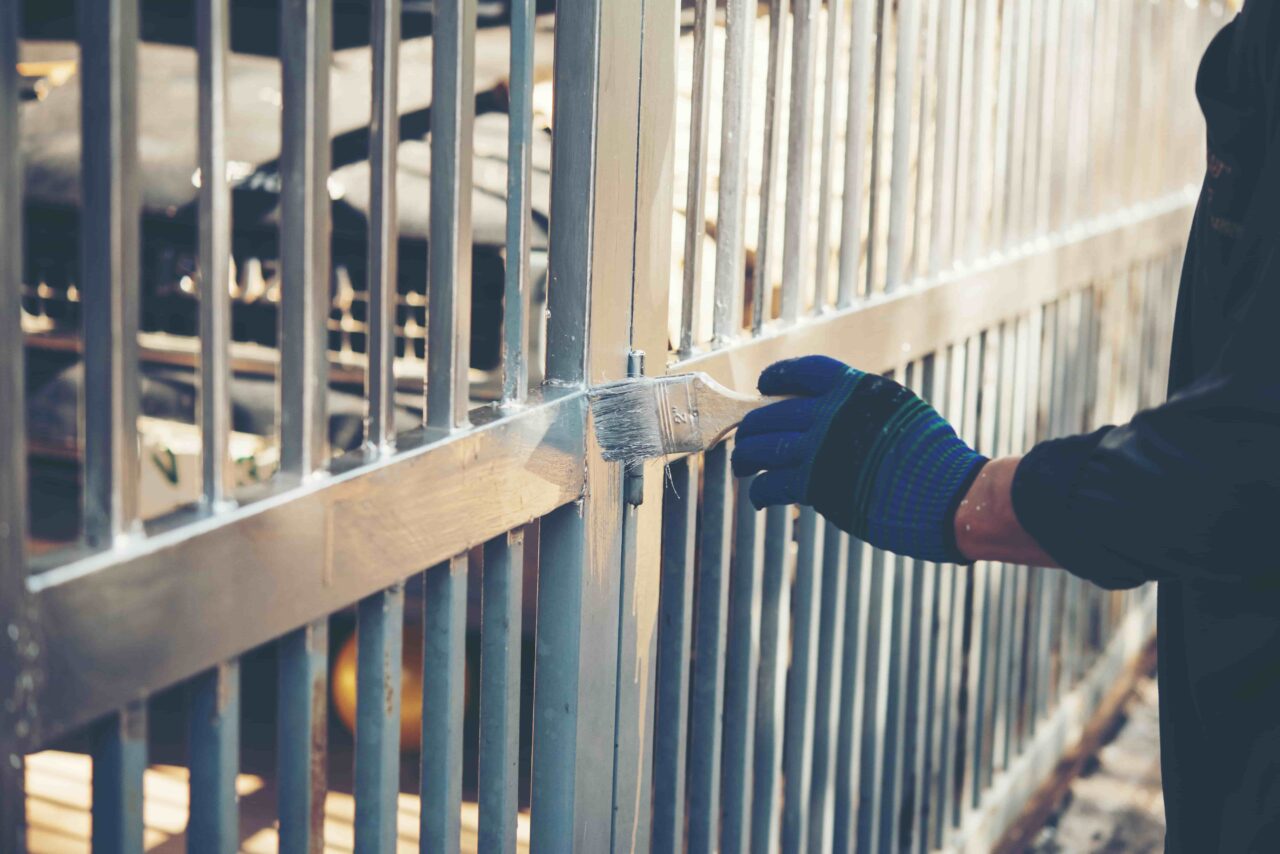
Commercial-Fence-Contractors-1280x853.jpg

Understanding Your Commercial Fencing Needs

Get started by defining what you need from a commercial fence. Whether you’re fencing a warehouse, office park or industrial facility your fence needs to meet specific requirements such as durability, security and visual appeal. Start by evaluating your property’s layout, vulnerabilities and level of privacy. This initial assessment will help you determine the right type of fence – chain link, ornamental metal or solid panels – that meets your security needs and your property’s style.

Consider these key points:

  • Security Requirements: Where do you need extra protection? High traffic or sensitive areas may require reinforced fencing options.
  • Compliance and Regulations: Check local zoning laws and industry standards to ensure your fence design meets the regulations.
  • Maintenance and Durability: Choose materials for your local climate to get long life with minimal maintenance.
  • Budget: Set a budget from the beginning to balance cost with quality to avoid unnecessary cost and get robust security.

By knowing your commercial fencing needs you’re already ahead of the game when talking to commercial fence contractors. This is not only going to make the selection process easier but the final installation will be tailored to the specific security and aesthetic needs of your business.

Researching Local Contractors

Now that you’ve determined what you need in a fence, next you need to find the right people in your area. Start by making a list of local commercial fence contractors through online directories, industry associations and word of mouth. Local contractors have the advantage of knowing the local regulations, weather and community specific security needs.

Try these strategies for research:

  • Online Searches and Reviews: Use search engines to find contractors near you and pay attention to customer reviews and ratings on Google and Yelp. This will give you an idea of the overall reputation and reliability of the company.
  • Industry Associations: Check for membership in reputable associations or local trade organizations. Membership means they’re committed to industry standards and professional development.
  • Social Media and Forums: LinkedIn, Facebook and local community forums can give you more insight into a contractors reputation. Here you can find firsthand accounts and get recommendations from other business owners.
  • Local Business Directories: Don’t forget local business directories or chamber of commerce listings which often have detailed profiles and verified contact information.

By putting in the time to research, you’ll increase the chances of finding a contractor who’s not only skilled but also aligned with your project needs. This process sets the foundation for a good partnership and a great fence installation.

Evaluating Experience and Expertise

Once you have narrowed down your list of contractors, it’s time to evaluate their experience and expertise. A seasoned contractor brings not only technical skills but also a deep understanding of the unique challenges of commercial fencing projects.

Try these evaluation tools:

  • Years in Business: Established contractors have a history of completed projects, which means reliability and consistency.
  • Certifications and Training: Look for industry certifications and ongoing professional development. These mean they are staying up to date with industry standards.
  • Project Portfolio: Review a contractor’s past projects, especially those like yours. A diverse portfolio means they can handle various types of fencing installations.
  • Material Knowledge: Make sure they know the different types of fencing – chain link, ornamental metal, high security barriers – and can advise on what’s best for your property.
  • Problem Solving: Ask about past challenges and how they were solved. This will give you an idea of how they handle unexpected issues during installation.

Using these criteria will help you choose a contractor who meets your immediate project needs but also long term value through expertise and workmanship.

Reviewing Past Projects and Client Testimonials

A key part of the process is to examine the contractor’s portfolio and talk to their past clients. Looking at past projects provides hard evidence of their ability to deliver on commercial fencing installations. Here are some things to consider:

  • Diverse Portfolio: Look for projects that are like yours. A contractor who has done similar projects is more likely to understand your requirements.
  • Quality and Consistency: Look at the craftsmanship and attention to detail in their previous work. Good photos and detailed project descriptions will give you a sense of their work ethic and expertise.
  • Client Testimonials: Testimonials and reviews will give you an unvarnished view of customer satisfaction. Good feedback on communication, timeliness and problem solving is a big indicator of a contractor’s reliability.
  • Case Studies: Some contractors will have detailed case studies that highlight the challenges and solutions implemented. These stories will give you an idea of how they handle complex projects and unexpected hurdles.
  • Before-and-After: Visual evidence of improvements or upgrades is very persuasive, showing not only the aesthetic benefit but also the functional benefit of their installations.

By taking the time to look at past projects and get client testimonials you can be sure your chosen commercial fence contractor has a proven record of delivering results that match your business needs.

Assessing Pricing, Budget, and Value

When looking at commercial fence contractors, price is a big factor in the success of your project. You need to balance cost and quality so you get value for your money. Start by understanding the scope of work and ask for detailed quotes that break down the entire project. Transparent pricing lets you compare contractors on the same playing field.

Take time to review each quote, remember the cheapest may not always be the best when it comes to durability and workmanship. A good proposal should detail material costs, labor costs and additional fees like permits or disposal fees. By looking at the overall cost structure you can determine if the proposal is fair without sacrificing quality.

Also look at your long term budget by evaluating the ROI. A quality installation may cost a bit more upfront but its longevity and low maintenance requirements will give you savings in the long run. Understanding the value of good work is important so the fence will provide the security and aesthetic appeal for years to come.

By looking at pricing along with your budget and the value of the finished project you can make an informed decision that will protect your investment and meet your commercial security needs.

Ensuring Compliance with Safety and Industry Standards

When choosing a commercial fence contractor, safety and compliance is non negotiable. Working with a contractor who follows local building codes, zoning laws and safety guidelines means your project will be legal and built to code. A contractor with proper certifications and documented permits shows they follow industry best practices.

A professional contractor will have safety measures in place throughout the entire installation process from handling materials to operating heavy equipment. They know current safety standards so they can identify and mitigate risks before they become issues. Verifying these credentials like industry certifications and recent inspection reports gives you peace of mind your investment is in good hands.

And compliance goes beyond the installation phase. A reputable contractor will advise on ongoing maintenance and regular safety checks to ensure the fence continues to work over time. This proactive approach not only preserves the structure but also your property and its occupants.

Following safety protocols and industry standards is part of quality workmanship. By choosing a contractor who values these principles you are showing you value a secure and professionally done project.

Key Questions to Ask Your Contractor

When talking to a commercial fence contractor you want to ask questions that cover everything. Ask about their experience with similar projects and the challenges they overcame, this will show you their problem solving skills and reliability. Ask about their licensing, certifications and insurance so you know they meet all regulatory requirements and industry standards. Ask about their timeline, how they handle delays and what processes they have in place to ensure quality during installation. Also ask about their warranty and maintenance recommendations, this will be important for the long term performance of your fence. These questions will build trust and set expectations so both parties are on the same page from the start.

Finalizing Your Decision

Now that you have all the information and have weighed your options it’s time to make a decision. At this point compare the proposals, considering the contractor’s experience, quality of previous work, price and safety standards. Schedule final consults or site visits if needed to address any remaining questions and to make sure the contractor understands your project. Open communication is key to making sure you and the contractor are on the same page for expectations, timeline and deliverables. Once you’ve made your choice formalize your agreement with a detailed contract that covers everything from materials to warranty. This last step will give you a clear path forward and a stress free commercial fence installation.

Conclusion

Choosing the right commercial fence contractor means considering your needs, doing your research and evaluating your options. By knowing your requirements, checking local expertise, looking at past work and making sure every contractor meets safety and industry standards you set yourself up for success. Open communication, detailed proposals and focus on long term value will help you make your decision. In the end investing the time to choose a good contractor will not only make your property more secure and attractive but will also make your commercial fence last the test of time.

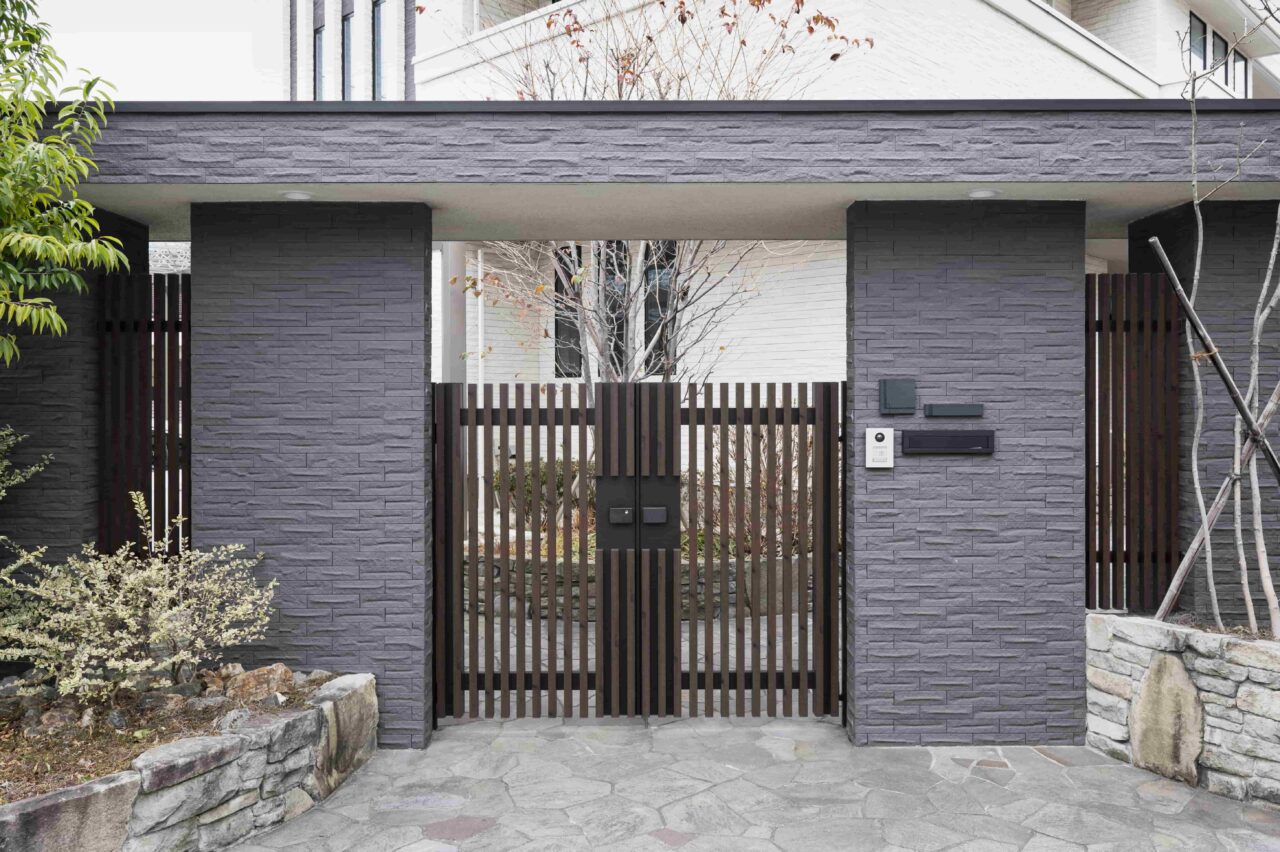
Iron-Residential-Fencing-1280x853.jpg

Introduction

Iron fencing has been a household name for long time as the most reliable option for homeowners looking for a strong, stylish and durable barrier for their property. Whether you want to increase security, boost curb appeal or just invest in a fence that will last for time, iron fencing delivers. In this article we will explore the many benefits of iron for your residential fence, from its durability to design flexibility. By understanding the benefits and considerations of iron residential fencing you can make an informed decision that protects your home and adds value for life. Let’s start by looking at why iron fencing is known for its strength and long term performance.

Iron Fencing Strength and Durability

Iron fencing is amazing at withstanding day to day wear and tear. Unlike materials that rot, warp or rust quickly iron is designed to withstand harsh weather conditions, heavy rain, intense heat and strong winds. That means no constant repairs for you and an extra layer of security around your home. By investing in an iron fence your getting a barrier that will maintain its structure and looks for years to come making it the top choice for homeowners looking for long term value and peace of mind.

Enhancing Security and Privacy

Iron residential fencing not only secures your property with its solid build but also gives you more privacy. The rigid framework and close bars make it harder for unwanted visitors to scale or breach. Add in features like pointed finials or additional security features (security cameras or motion-sensitive lighting) and an iron fence becomes an even more formidable obstacle to intruders.

From a privacy perspective homeowners can incorporate design elements like ornamental scrolls, decorative mesh or panels placed in strategic areas to reduce visibility without compromising the look of the fence. So you’ll have that feeling of being alone in your own home. With style and security combined an iron residential fence gives you peace of mind and blends in with your home’s exterior.

Low Maintenance Requirements

Iron fencing is generally lower maintenance than many other types of fencing. It’s self sustaining and can withstand the elements without repair or replacement. A simple cleaning or applying a coat of sealant every few years will keep the fence structural and looking good. If some corrosion shows up over time it can be refinished instead of restored. Less maintenance saves you money and time in the long run and still keeps the fence looking and securing your property.

Professional Installation Tips

Even though iron fencing is durable, proper installation is key to make it perform at its best. Work with a contractor who has experience with iron fences. Make sure the ground is level and the posts are set in concrete so they don’t shift over time. Pay attention to alignment and measurements for a perfect fit and finish. And choose weather resistant coatings to protect from corrosion for added longevity and looks. Proper installation makes the fence functional and pretty for years to come.

Conclusion

Iron residential fencing is the top choice for homeowners who want strength, durability and looks. It can withstand harsh weather and requires minimal maintenance so it’s a smart investment that lasts. With custom design options iron fencing can match any home style and provide security and privacy. By understanding the benefits and considerations – from installation to maintenance – you can decide if iron is the right fencing for your property.


Aluminum-Residential-Fencing-1280x852.jpg

Understanding the Benefits of Aluminum Residential Fencing

Aluminum residential fencing has become the go to for homeowners because of its durability, low maintenance and looks. Unlike iron or wood fencing, aluminum is corrosion, warping and insect damage resistant. So you’ll spend less time and money on maintenance over the years. Aluminum is also light weight yet strong so installation is easier and safer without compromising on security.

Another big plus is the many designs and styles available. Whether you want classic or modern aluminum can be customized to match your home’s exterior. Plus the powder coated finish not only looks great but also protects against scratches and fading. With the right aluminum fence you can have a polished look that increases property value and gives you long term peace of mind.

Considering Your Home’s Style and Aesthetic

When choosing aluminum fencing for your home start with your home’s overall look. Does your home have a modern design with clean lines or a traditional design with decorative elements? Fencing to match your home’s style not only looks seamless but also boosts curb appeal. Go for minimalist panels and clean lines if your home is modern or ornate pickets for traditional designs.

In addition to style, pay attention to color and finish. Black is classic and timeless, while lighter colors complement specific exterior color schemes. Some manufacturers also offer custom finishes or textures that mimic wrought iron or other materials. By choosing fencing that matches your home’s individual character you ensure your new aluminum fence becomes part of the overall package.

Evaluating Security and Privacy Requirements

Aluminum residential fencing offers visibility and security. Many homeowners want to keep kids and pets safe and discourage intruders. The style and spacing of the pickets is key to this. Closer picket spacing will keep small pets out while maintaining an open feel.

Fence height and gate design is also important. Taller fences are more secure but local regulations or homeowner association rules may have restrictions. Before you buy check on any height limits or community specific requirements. Consider lockable gates that match the fence style. A well designed aluminum residential fence can have security and privacy without sacrificing style.

Choosing the Right Height and Panel Design

Choosing the right fence height and panel style makes a big difference in both function and aesthetics. In most neighborhoods the standard height of a fence is 3-6 feet. Taller fences = more security and privacy, shorter fences = welcoming and sightlines. Check your local regulations or homeowners association guidelines to make sure what you choose is allowed.

Panel style runs from simple straight top to ornate with finials or speared tips. Straight top panels look clean and contemporary, ornate ones look elegant and fit traditional architecture. Customizing picket spacing is also useful for keeping pets in and unwanted guests out. Thinking through height and design will help you find the perfect balance of safety, style and practicality.

Selecting Finishes and Additional Features

Aluminum fences come in many finishes that can impact look and performance. Powder coating is a popular choice as it adds a smooth durable layer that doesn’t chip, fade or rust. Colors can be black, white, bronze or custom colors to match your home exterior.

Beyond finishes, consider decorative scrolls, finials and arched gates. These add-ons can turn a basic fence into a showstopper, add character and interest. Practical features like self-closing hinges, child-proof locks or integrated lighting can make it safer and more functional. Choose your finishes and add-ons wisely and your aluminum residential fence will meet both form and function.

Budgeting for Quality and Installation

When buying an aluminum fence for your home, consider the total cost – materials, labor and any extras. Aluminum fencing comes in all price ranges depending on the panel design, metal quality and decorative features. Cheaper options may save you money upfront but lack the durability or long lasting finishes of higher quality products. Choosing a reputable manufacturer will reduce the risk of fading, chipping or other issues that will cost you in repairs down the line.

Installation costs vary depending on the length, complexity and labor rates in your area. Some homeowners try to do it themselves to save money but professional installation gives you peace of mind especially if you have uneven ground or challenging terrain. While a professional may cost more upfront, it will ensure your fence is properly installed, secure and up to code. So finding the balance between cost and quality will give you a fence that will last and add value to your home.

Comparing DIY vs. Professional Installation

Deciding between DIY and hiring a pro usually comes down to budget, expertise and time. Installing an aluminum fence yourself can be fun if you’re comfortable with power tools, measuring property lines and dealing with uneven ground or buried utilities. A DIY project gives you control and saves on labor costs. But miscalculations or incorrect placements can lead to rework or compliance issues with local regulations.

A pro installation usually gives you more peace of mind. Experienced contractors have industry knowledge and specialized equipment to help you avoid common mistakes. They’ll make sure the fence is level, secure and code compliant. While hiring pros is more expensive it can save you time and reduce errors. Weighing those factors against your skills and schedule will help you make the best decision for your situation.

Maintenance Tips and Best Practices

Aluminum fencing is low maintenance but a little goes a long way to keep it looking its best. A quick rinse with a garden hose will remove dirt and grime and prevent buildup that can dull the finish. Mild soap and water can be used for a deeper clean if you live in an area with frequent storms or heavy pollen.

Regularly check the fence for loose screws or hardware to maintain its structure. If you notice scratches or chips in the powder coat, touch up paint is often available from the manufacturer to cover the exposed area. Consistency with small maintenance tasks will keep your fence looking and lasting and preserve your investment.

Final Considerations and Next Steps

Before you make a final decision gather product info and check local regulations or HOA rules that may affect your fence. Check each component’s warranty and quality and get actual dimensions of your property. If you’re going to have a pro install it get multiple quotes to compare price and reputation.

Once your new aluminum residential fence is up enjoy the peace of mind that comes with added security and looks. By knowing the benefits, choosing the right style and using quality product you’ll have a fence that will last for years to come.


Best-Residential-Fencing-1280x853.jpg

Understanding the Importance of Residential Fencing

Residential fencing is more than just a boundary between your property and the world outside. It’s a key part of your home’s security, curb appeal and privacy. Whether you want to keep children and pets in your yard or simply mark your property line a good fence is the answer. Spend time understanding why fencing matters—safety, aesthetics and property value—and you’ll be better positioned to choose the right style and material for your home.

Key Factors to Consider Before Choosing a Fence

Before you buy what you hope will be the best residential fence, you need to consider several key things that will influence your decision. First, what’s the purpose of the fence? Are you looking for more security, more privacy or just to define your property lines? Knowing your main goal will help narrow down the material and style options.

Budget is another big one. The cost of materials and installation can vary greatly depending on whether you go with wood, vinyl, metal or composite. And don’t forget about long term maintenance costs. For example, wood might look classic but it needs regular upkeep like staining or sealing whereas vinyl or metal requires less maintenance.

Local building codes, homeowners association rules and neighborhood aesthetics should also be a consideration. Make sure your chosen fence complies with local regulations to avoid legal issues down the line. Also, ensure the style and design of the fence fits with your home’s architecture and landscaping to boost curb appeal.

Finally, do you want to DIY or hire a pro? Each option has its pros: DIY might save you money, while pro installation will give you peace of mind with expert workmanship.

Taking the time to think through these things will help you choose a fence that meets your security and style needs and adds value to your property long term.

Popular Fencing Materials and Their Pros & Cons

When choosing the best residential fence, the material chosen plays a big role in both the look and function of your fence. Each material has its own set of benefits and drawbacks. Here’s a closer look:

Wood
Wood is a classic choice with natural beauty and versatility.

  • Pros:
    • Looks classic and warm and blends with most home styles.
    • Cheaper upfront.
    • Can be customized with different stains and finishes.
  • Cons:
    • Needs regular maintenance like staining or sealing to prevent rot and insect damage.
    • Weathered and may need repairs over time.

Vinyl
Vinyl fencing is known for its durability and low maintenance.

  • Pros:
    • Weather resistant, rot resistant and pest resistant making it a long lasting option.
    • Easy to clean and maintain with minimal upkeep.
    • Comes in different styles and colors to match your home.
  • Cons:
    • More expensive upfront.
    • Limited customization options for texture and finish.

Metal (Wrought Iron, Aluminum, Steel)
Metal fences are loved for its strength and security.

  • Pros:
    • Secure and durable.
    • Often has intricate details that adds curb appeal.
    • Minimal maintenance if properly treated against rust and corrosion.
  • Cons:
    • More expensive especially for high end wrought iron.
    • Heavier than other materials which can complicate installation.

Composite
Composite materials combine recycled wood fibers with plastic to offer a modern option.

  • Pros:
    • Eco friendly and mimics the look of natural wood.
    • Low maintenance, doesn’t fade, warp or rot.
    • Comes with long warranties which reflects durability.
  • Cons:
    • More expensive than traditional wood fencing.
    • Limited color and style options compared to other materials.

Choose the right material depends on your priorities—whether it’s aesthetics, durability, security or low maintenance. Evaluating these pros and cons will help you make a decision that’s right for your home.

Balancing Security and Aesthetics in Fence Design

When designing your residential fence it’s important to balance practical security needs with aesthetics of your home. A well designed fence gives you a sense of safety without sacrificing curb appeal. Achieving this balance means considering materials, design elements and installation methods.

A robust fence will deter intruders but still complement your home’s architecture. For example, adding decorative elements to metal or composite fencing will add elegance while still being strong. The color, texture and style of the fence should match your property’s landscape and your home’s architectural details.

Also thoughtful placement and design can create a welcoming yet secure environment. By incorporating natural elements such as strategically placed greenery or lighting you can soften the look of a robust fence and make it feel protective and inviting. Ultimately a good fence design is a balance of security features and aesthetic value, safe and stylish for your home.

Maintenance Tips for Long-Lasting Fences

Regular maintenance is key to keeping your fence functional and looking good for years to come. A proactive approach means regular inspections to catch wear and tear early like loose boards, fading or rust. Catching these issues before they become major repairs.

Cleaning is a big part of maintenance. For wooden fences, a gentle soap and water wash can remove dirt and debris, while a power wash can restore its natural beauty without damaging the wood. Metal fences need regular cleaning to prevent corrosive buildup and a finish will slow down the rust process.

Seasonal maintenance is another important part of fence maintenance. In the cold months, watch for damage from freeze thaw cycles and snow as these can weaken your fence. In the warmer, wetter months, pay extra attention to moisture prone areas to make sure mold, mildew or decay doesn’t develop.

By doing these simple maintenance tasks you can enjoy your residential fencing and have it continue to enhance your property’s security and curb appeal.

Budget and Cost Considerations

Choosing the right residential fencing is all about balancing quality and looks with financial sense. Knowing your overall budget means looking beyond the sticker price to include installation costs and long term maintenance costs. The upfront cost will mainly depend on the material chosen, the complexity of the design and whether you go for a professional installation or DIY.

Material choices play a big role in the budget equation. Wooden fencing may be the affordable entry point but will cost you more in the long run due to regular maintenance needs. Vinyl or composite fencing may have higher initial cost but are more durable and require less maintenance and can save you in the long run. You need to weigh these factors to determine which one fits your financial goals and long term plans for your home.

And local regulations, permits and HOA guidelines can also affect the overall cost. Budgeting for unexpected costs and planning for periodic maintenance will ensure that your investment in residential fencing will be secure and looking good for the long run.

Navigating Local Regulations and HOA Guidelines

Local regulations and homeowners association rules will dictate what kind of fence you can put in. Many cities have zoning laws and building codes that govern fence height, placement and materials so make sure to research these before you start. This will save you from costly fines or modifications down the line.

Homeowners associations have their own rules to maintain a uniform look in the community. These rules may prohibit certain fence designs, colors or materials and often require prior approval for any exterior changes. Take the time to read your HOA’s covenants, conditions and restrictions (CC&Rs) so your fence project aligns with community expectations and avoids conflicts.

By understanding both local regulations and HOA rules you can choose a fence that not only enhances your property’s security and looks but also meets all legal and community standards.

DIY vs. Professional Installation: Which Is Right for You?

When it comes to your residential fence installation you have two options: do it yourself or hire professionals. If you like hands on projects, enjoy the process of building and want to save on labor costs then DIY may be for you. However it requires planning, the right tools and a solid understanding of local building codes. Inexperienced installation can lead to alignment issues or even structural weaknesses that can compromise both security and longevity.

On the other hand professional installation has the expertise and efficiency to get the job done right and on time. Professionals can navigate uneven terrain and complex design requirements while making sure your fence complies with local regulations and safety standards. Although this route costs more upfront many homeowners find it worth it for the peace of mind that comes with a securely installed and long lasting fence.

Ultimately the decision between DIY and professional installation comes down to your budget, time and self confidence. Evaluating these will help you decide which option is best for you to achieve both security and beauty of your property.

Making the Final Decision: Selecting the Best Residential Fencing

Now that you’ve considered all the factors—material options and budget to local regulations and installation choices—you’re ready to make a decision. The right fence for your home will meet your security needs, boost your curb appeal and suit your property’s style. Think about your priorities: a low maintenance vinyl, the classic look of wood or the sturdy elegance of metal, each material has its advantages that will fit different lifestyles and budgets.

Take a minute to review what you’ve learned. Think about the long term benefits—durability and low maintenance to aesthetic impact on your property. By balancing function with form and local regulations you can choose a fence that will protect your home and enhance its looks.

In the end it’s all about finding a happy medium of design, security and cost—it’s the perfect fence for your needs.


Fence-Company-1280x854.jpg

Assessing Your Fencing Needs

Before you reach out to a fence company, you need to evaluate your property’s specific fencing needs. Start by defining what your fence is for—is it for security, privacy, curb appeal or a decorative accent? Knowing your objectives will help guide your decisions on materials, design and function.

Think about your property’s unique features, such as the terrain, existing landscaping and local regulations that may impact fence height or placement. For example, properties on sloping ground may require custom solutions to ensure stability and visual appeal, while local zoning laws may dictate your material choices and design options.

Budget is a big factor too. Deciding on your investment upfront will help narrow your choices so you choose a solution that provides long term value without compromising on quality. Remember some fencing materials will require maintenance over time so factor that in along with the initial cost.

By evaluating your fencing needs you’ll have a clear project vision that meets your aesthetic goals and compliance with local regulations. That foundation will be gold when you start researching and selecting the right fence company for your home.

Researching Local Fence Companies

Once you have a idea of what you need in a fence, now it’s time to start researching local fence companies. Start by doing an online search for companies in your area that do the type of fencing you need. Look for companies with websites that showcase their services, past projects and customer testimonials. This gives you an idea of what they can do and how good they are.

Local directories and review platforms are super helpful during this stage. Platforms like Google My Business, Yelp or Angie’s List will give you an idea of customer satisfaction and overall service quality. Don’t be afraid to ask neighbors or friends for recommendations; firsthand experiences often reveal information that online reviews might miss. Also, check if the companies are part of local trade associations or have any certifications. These credentials are an extra layer of assurance of their professionalism and commitment to quality.

By gathering a mix of online and offline information you can come up with a list of decent fence companies. This research phase is key as it sets the stage for the next steps in the process so you have a pool of good companies to choose from for your fencing project.

Evaluating Company Reputation and Experience

When choosing a fence company reputation and experience are key. An established company with years of experience brings a lot of knowledge that translates into a smoother installation and a better fence. Start by researching the company’s background—how long have they been around and what kind of projects have they done? This info is usually on their website or in industry directories.

Certifications and memberships in professional associations add to a company’s credibility. These show they keep up with industry standards and best practices. Ask for references or case studies of previous projects. Direct feedback from past clients is priceless in understanding a company’s reliability, workmanship and customer service.

Taking the time to research a fence company’s reputation and experience not only helps you make a smart decision but sets you up for a successful fencing project that meets your long term needs.

Comparing Materials and Design Options

Choosing the right materials and design for your fence is key to both function and form. Start by browsing through options like wood, vinyl, aluminum and chain-link, each with their own benefits. Wood gives you a classic look with warmth, vinyl is low maintenance and durable, aluminum is modern and corrosion resistant and chain-link is more cost effective for larger areas.

Consider how each material fits with your home’s style and your neighborhood’s character. A wood fence will work with a traditional or rustic home, aluminum with a contemporary design. Think about the maintenance too; materials like vinyl and aluminum require less upkeep than wood which needs regular staining or sealing.

Your design options can also affect the overall functionality of your fence. Do you need a solid barrier for privacy, a decorative element for curb appeal or a security feature for added safety? Some companies offer custom designs that can have decorative elements like lattice tops, ornamental scrollwork or even integrated lighting.

By comparing materials and design options you’ll make sure your fence meets your practical needs and enhances your property’s visual appeal making it a long term investment.

Requesting and Reviewing Quotes

Now that you’ve narrowed down your list, it’s time to request quotes. Start by contacting each company with a bullet point list of your project requirements including type of fence, measurements, material preferences and any additional features or design elements you want. This way the quotes you get back will be as accurate and apples to apples as possible.

When reviewing the quotes look for a breakdown that includes material costs, labor costs and any extra fees – like permit applications or post installation maintenance. Pay attention to:

  • Cost Breakdown: Make sure each quote shows costs per component so you can see where your money is going.
  • Scope of Work: Confirm each company is including the same services – preparation and installation to cleanup and warranty.
  • Timeline and Payment Terms: Note the completion dates and if the payment terms align with your budget and project milestones.

Comparing multiple quotes not only gets you a better price but also gives you insight into each company’s professionalism and thoroughness. Remember you want to find a balance between cost and quality – choose a quote that offers value not just the cheapest option.

Asking the Right Questions

When dealing with a fence company you need to be thorough so everything is crystal clear. Ask about their licensing, insurance and experience with the type of fence you’re interested in. Ask about their process from initial consultation to final install and how they handle unexpected issues or delays.

Warranty terms and post install support is key. Ask about the duration and coverage of warranties on materials and labor and if there are any maintenance tips or recommendations to extend the life of your fence. Getting these details upfront will prevent future issues and build trust in the company.

Also ask about any extra costs. Ask for transparency about any fees not included in the initial estimate such as permits, cleanup or extra material. This way you’ll have a clear picture of the total cost.

Understanding Installation Processes

You need to know the process when working with a fence company. Before any work begins a site evaluation is done to assess the landscape, measure the area and identify any obstacles such as underground utilities or uneven terrain. This initial phase sets the stage for a smooth installation that meets local building codes and safety standards.

Once the site evaluation is complete the process moves into the planning phase where the layout, materials and timeline are finalized. The installation starts by marking the fence line and preparing the site which may involve clearing debris and leveling the ground. Precision in this stage ensures the fence will be both structurally sound and aesthetically pleasing.

After the prep the fence company will set the posts securely, often with concrete for added stability. The chosen fencing material is then installed with attention to alignment, spacing and overall look. The process is finished with final inspections and adjustments to make sure everything meets the project specs and quality standards.

Knowing the process helps you set realistic expectations and allows you to ask questions to your fence company so everything is transparent and professional.

Warranty, Maintenance, and Support

Getting a full warranty and understanding maintenance requirements are key to protecting your fencing investment. A good fence company will offer warranties that cover materials and labor, so you’re protected against defects and installation issues. This warranty should clearly state what’s covered, how long and what conditions may affect your coverage.

Just as important is the maintenance guidance from the company. Regular upkeep like cleaning, inspections and minor repairs can extend the life of your fence and keep it looking great. Whether your fence is wood, vinyl or metal, each material has its own maintenance requirements to keep it in top shape. By following professional advice you can avoid costly repairs down the line and have your fence as a permanent fixture on your property.

Beyond warranty and maintenance, good customer support is a big part of the overall experience. A dedicated support team can address any concerns or issues that arise after installation. This ongoing relationship with your fence company ensures fast service and builds trust and confidence in the work. Choosing a company that stands behind their product with good warranty terms, clear maintenance guidelines and easy support is a key to long term satisfaction with your fencing project.

Reading Reviews and Testimonials

Getting insights from past customers gives you a good idea of a fence company’s performance and reliability. Homeowners should check testimonials on the company’s website and independent review sites. This gives you a full picture of the service from consultation to after installation.

Customer feedback will often highlight material, workmanship, communication and project timelines. When you see consistent praise for professionalism and problem solving it builds trust in the company to meet your needs. When you see recurring complaints or concerns it’s time to dig deeper.

If possible contact past customers or ask the company for references. Personal conversations give you more insight into the customer experience including how the company handled any issues. Reading reviews and testimonials is a key part of making sure your final choice matches your expectations for quality and service.

Making Your Final Decision

Now that you have all the facts, make a decision. Weigh your research, quotes and customer feedback against your project and budget. Trust the companies that offer clear communication, warranty and support throughout the installation process.

Take a minute to review your priorities and make sure the fence company meets both your style and functionality needs. By balancing quality, price and service you can move forward with confidence knowing you have chosen a partner to help you fence your property.


About Us

Super Fabrications

Super Fabrications delivering high-quality design and installation services for fences (aluminum fence, vinyl fence, chain-link fence, wood fence), railings, and stairs. With a commitment to excellence and professionalism, we ensure every project reflects our dedication to durability, aesthetics, and customer satisfaction.

Get In Touch

Contact Us


(888) 820-6099
Info@superfabrications.com
www.superfabrications.com

2433 McClintic Ct, Vienna, VA 22180