
Iron is the fence people choose with their eyes. This page is the look-book: the tops, the profiles, and the gates we build most around Northern Virginia, with real installs from our gallery.
The three choices in every iron design
1. The top
Finials (decorative points), spear tops (the anti-climb classic), ball caps (softer, traditional), and flat tops (modern). Front yards around McLean and Alexandria run finials and balls; security-minded commercial lines take spears.
2. The profile
Traditional residential iron: three rails, half-inch to three-quarter pickets, 3–4 feet tall. Estate grade: heavier pickets, wider spacing frames, 4–5 feet along drives. The heavier the profile, the more the gate hardware matters.
3. The gate
Walk gates for gardens, double drives for entries, and automated estate pairs between masonry piers. Gates are where iron earns its price — see automatic gate installation.
Designs from our gallery
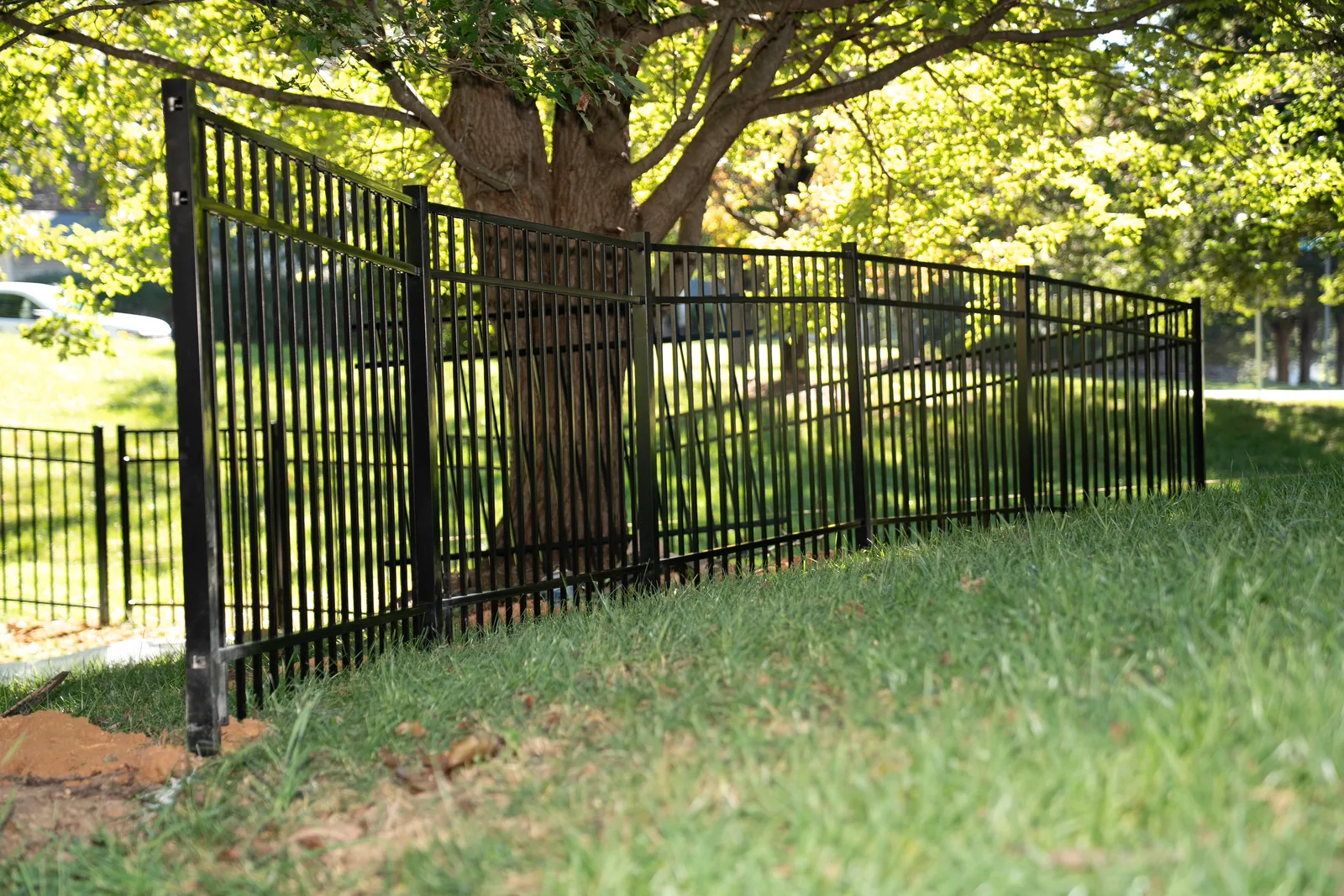
Finial-top tree line
Three-rail iron with finials following a landscaped frontage.
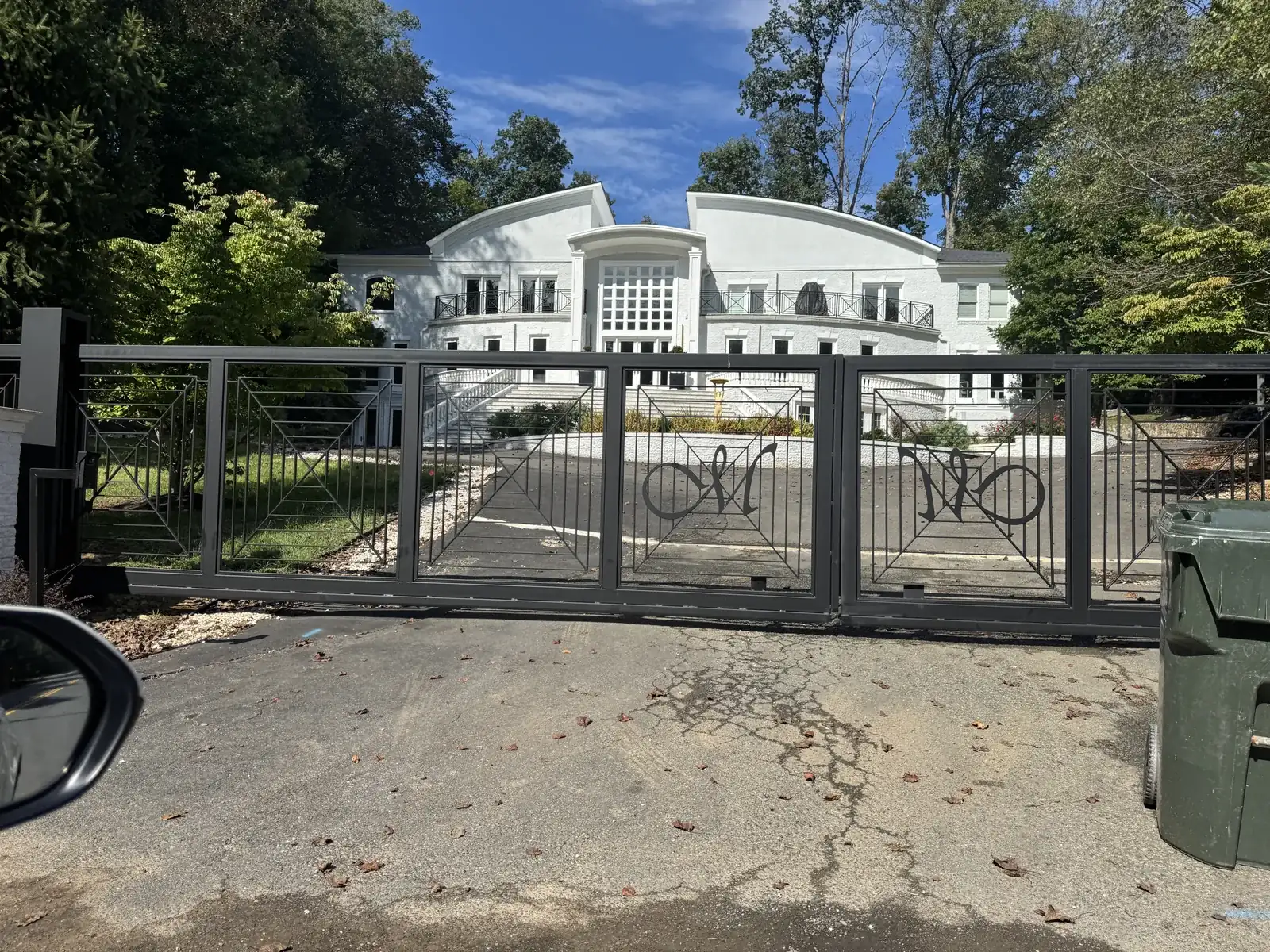
Estate drive gates
Tall iron pair between masonry piers — manual or automated.
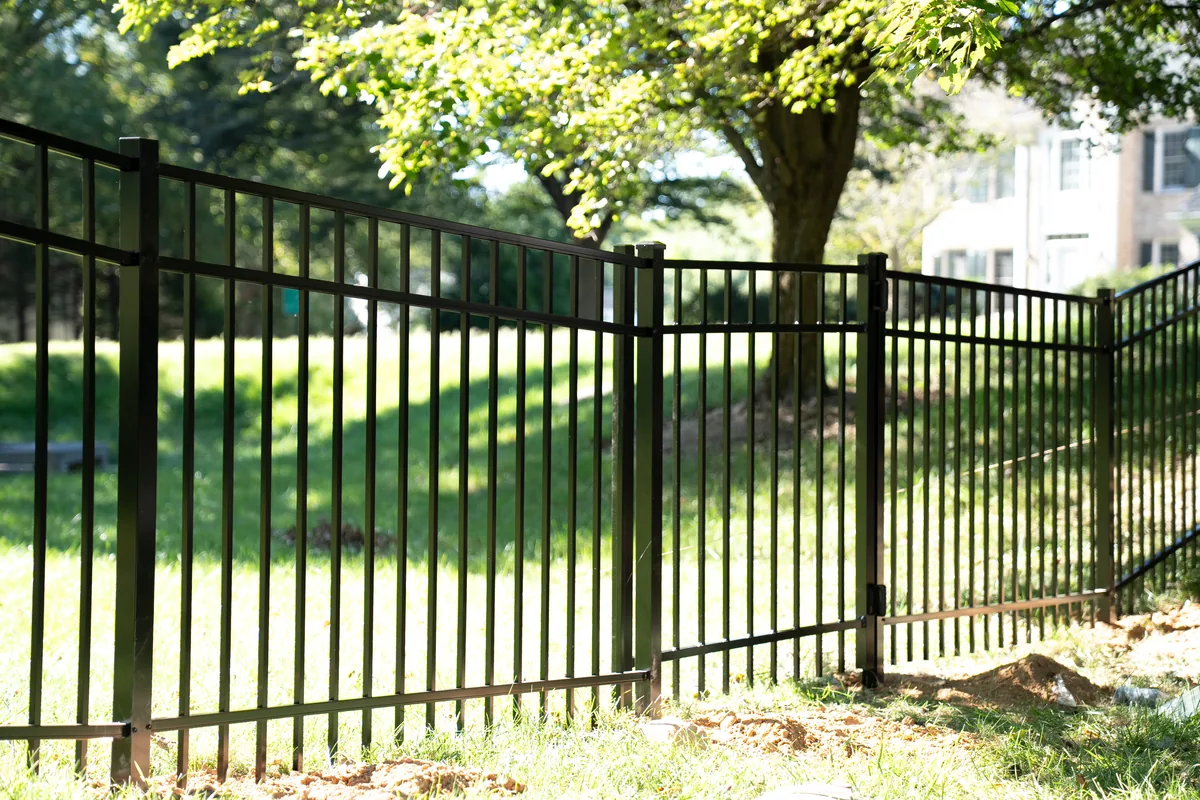
Shaded lawn run
Open iron that keeps sightlines under mature trees.
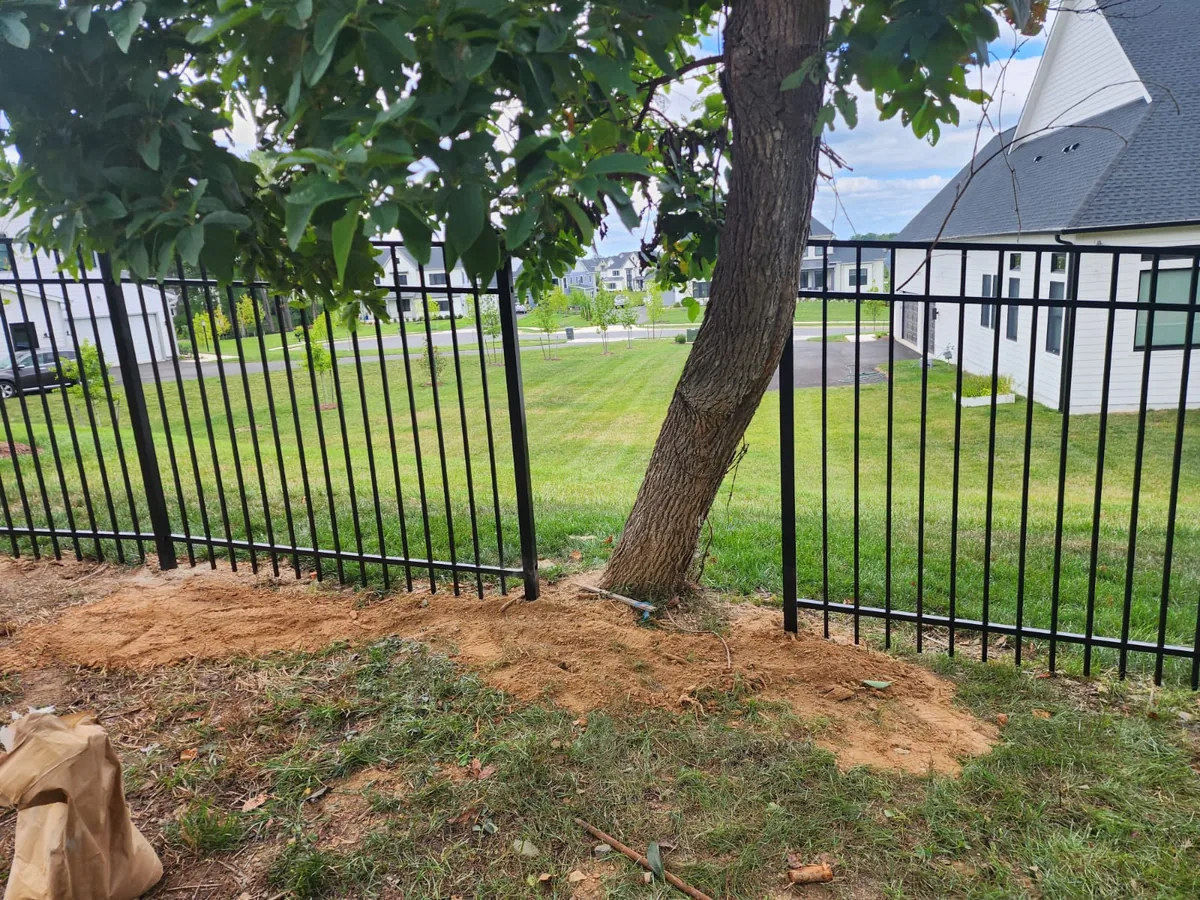
Around the landscape
Iron and aluminum wrapping mature trees and masonry.
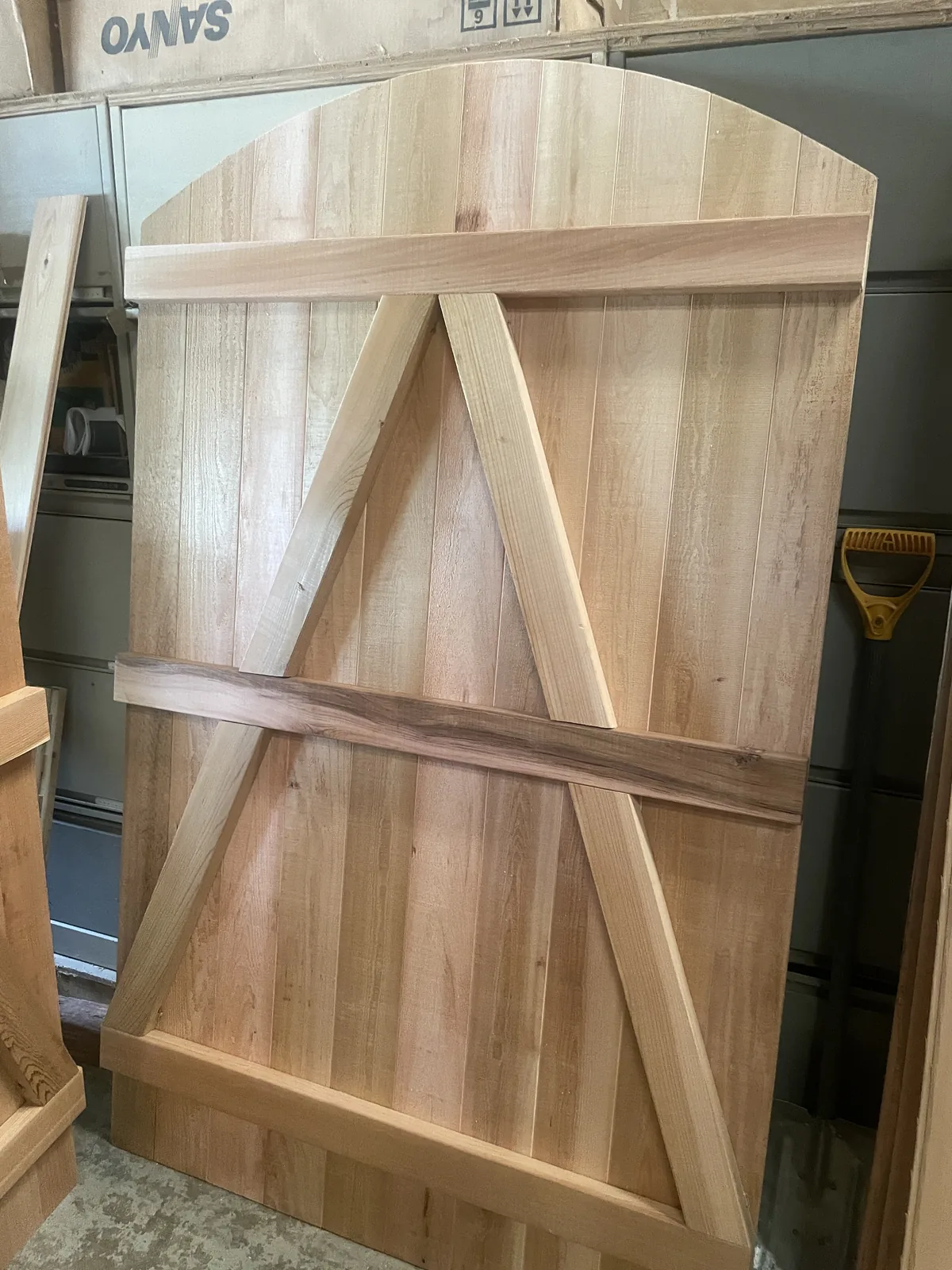
Garden walk gates
Self-closing iron gates for gardens and pool code lines.
Mixed materials
Metal frames with wood infill — the modern estate look.
Iron or aluminum for these looks?
Every design on this page also exists in aluminum at lower cost and zero rust upkeep — see the honest comparison on our aluminum page. Iron wins where the house is historic, the design calls for true metalwork, or the frontage justifies the material. Iron installation details live here.
Historic district notes
Old Town Alexandria and parts of Falls Church review fence designs in historic districts — low, open, dark-finished iron is the pattern that passes. Bring the district's guidelines to the estimate; we draw to them.
Four details that change an iron design
Picket spacing. Standard residential spacing runs about 4 to 5 inches between pickets; puppy picket closes the bottom third to about 2.5 inches for small dogs. Rail count. Two rails read modern and minimal, three rails are the classic colonial look, and four-runs suit taller estate panels. Post caps. Ball caps soften a front-yard fence; flat caps and decorative finials dress up drives and entries. Finish. Matte black powder coat is the region's default — it reads like wrought iron, hides road dust, and touches up easily.
Caring for iron and aluminum fences
Both metals ask for almost nothing: an annual rinse, a check of gate hinges and latches, and touch-up paint where a mower or snow shovel scratched the finish. Powder-coated iron in our climate commonly goes a decade between cosmetic touch-ups. If a section takes a hard hit — a car bumper is the usual suspect — individual pickets and rails can be replaced without rebuilding the run. We leave care notes with every metal fence we install.
Bring us the picture you found
Screenshot from a magazine, a neighbor's yard, or this gallery — bring it. We quote the look in iron and aluminum and tell you honestly which we would build. Start the estimate.