Fence installation in Washington
What we build in Washington
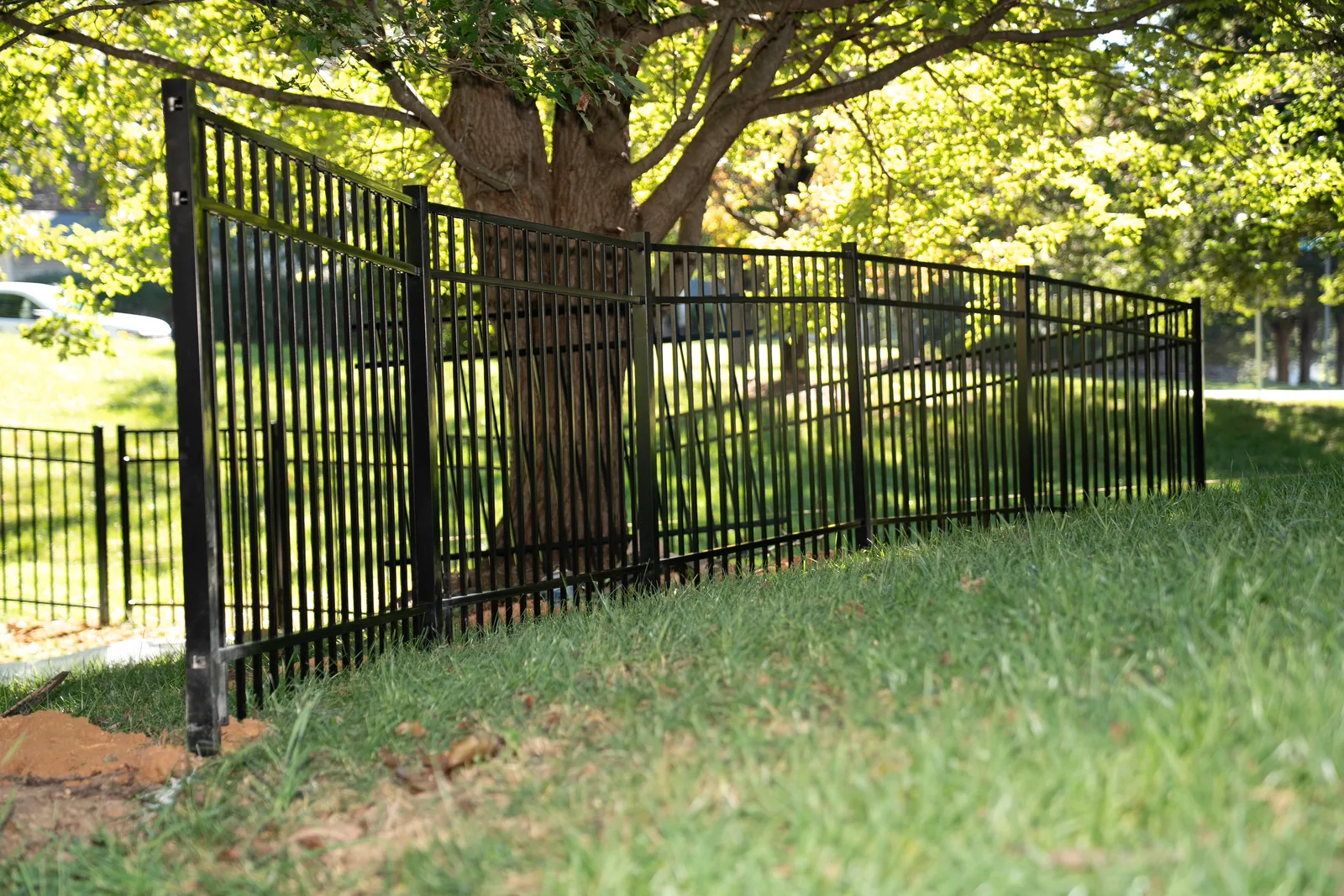
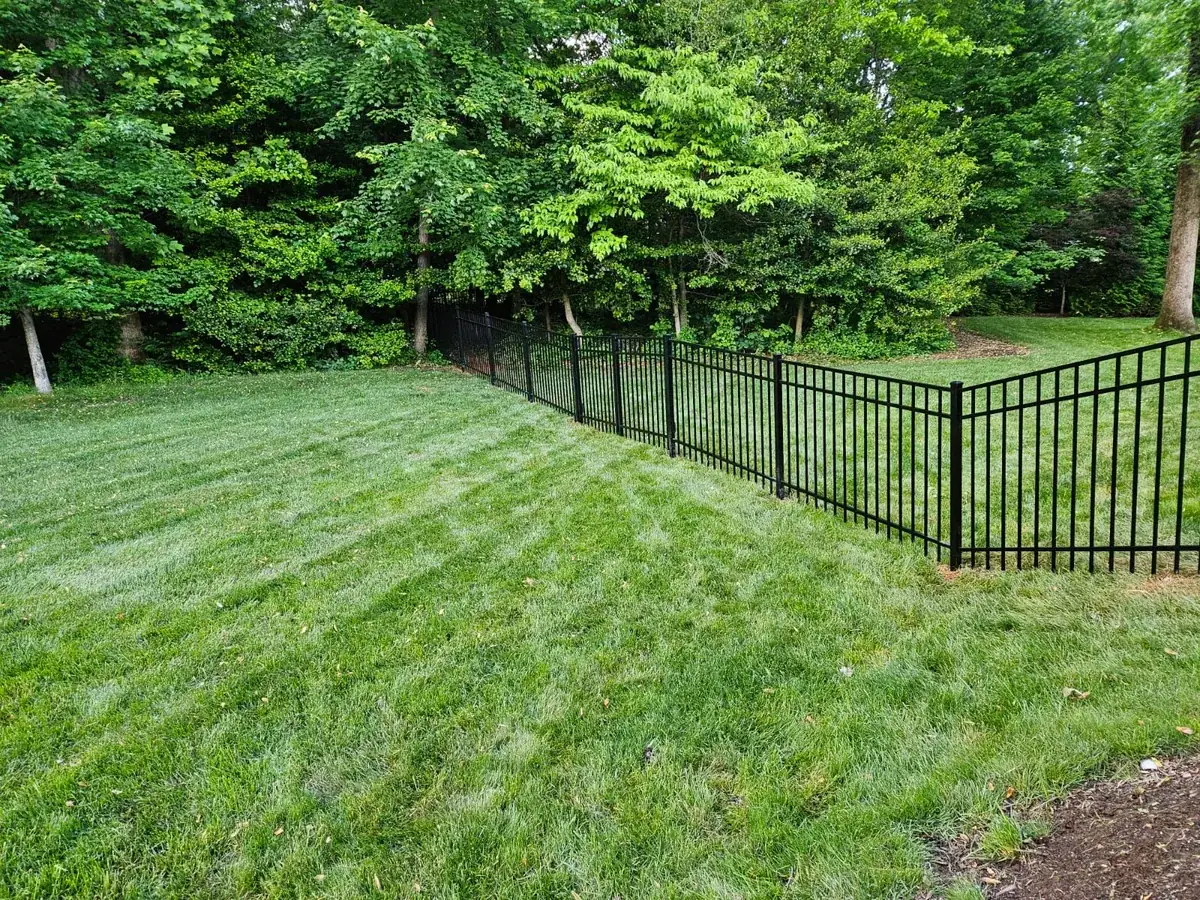
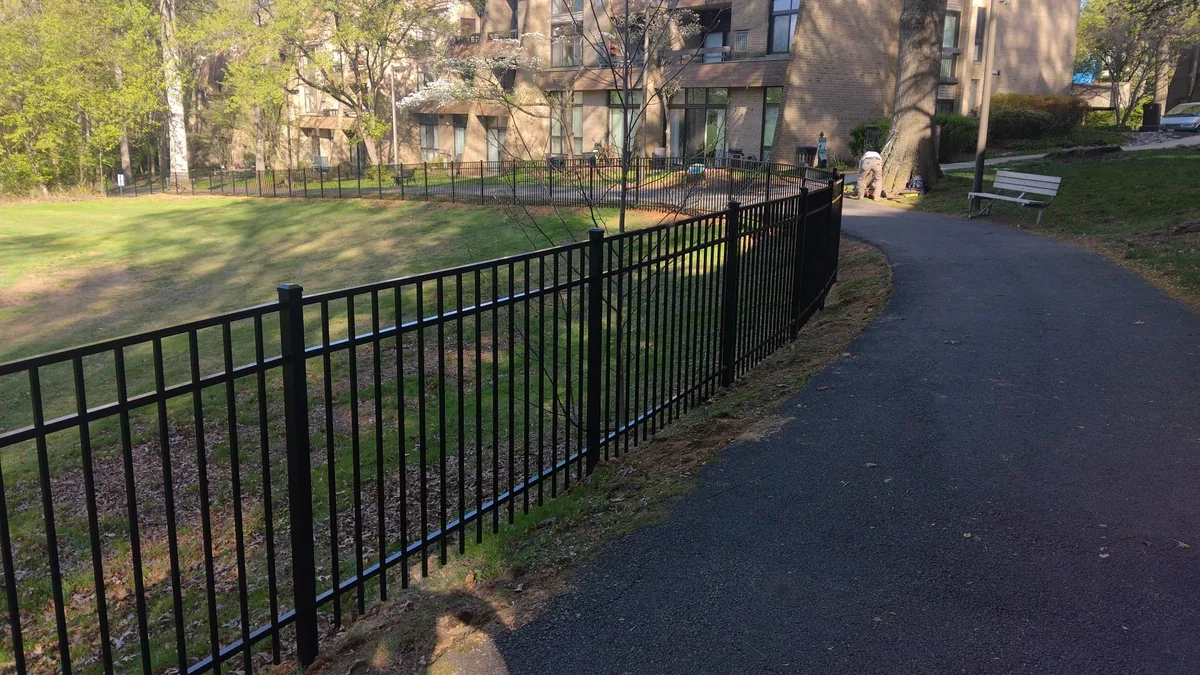
Washington fences obey the street wall. Along rowhouse frontages in Capitol Hill, Dupont, and Shaw, the fence is low and open — iron or aluminum at three to four feet, picket where a garden wants company, sight lines kept to the sidewalk. Brick, iron, and boxwood do the styling; the fence only has to keep up. Privacy lives in back, where the alley gates and the rear courts do the real work. Those heights are not taste alone — the district's public-space rules shape what a frontage can be, and we design inside them from the first sketch.
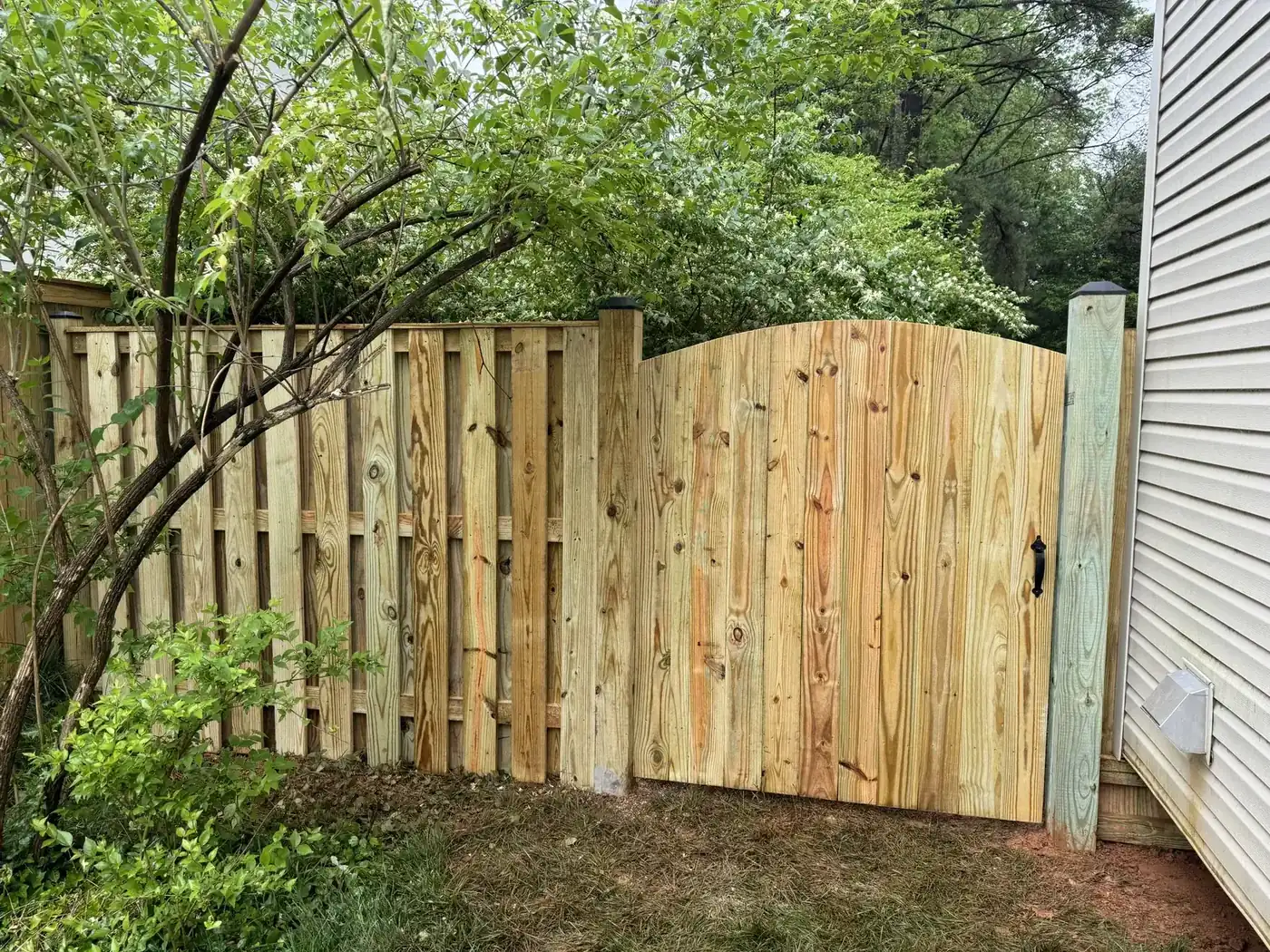
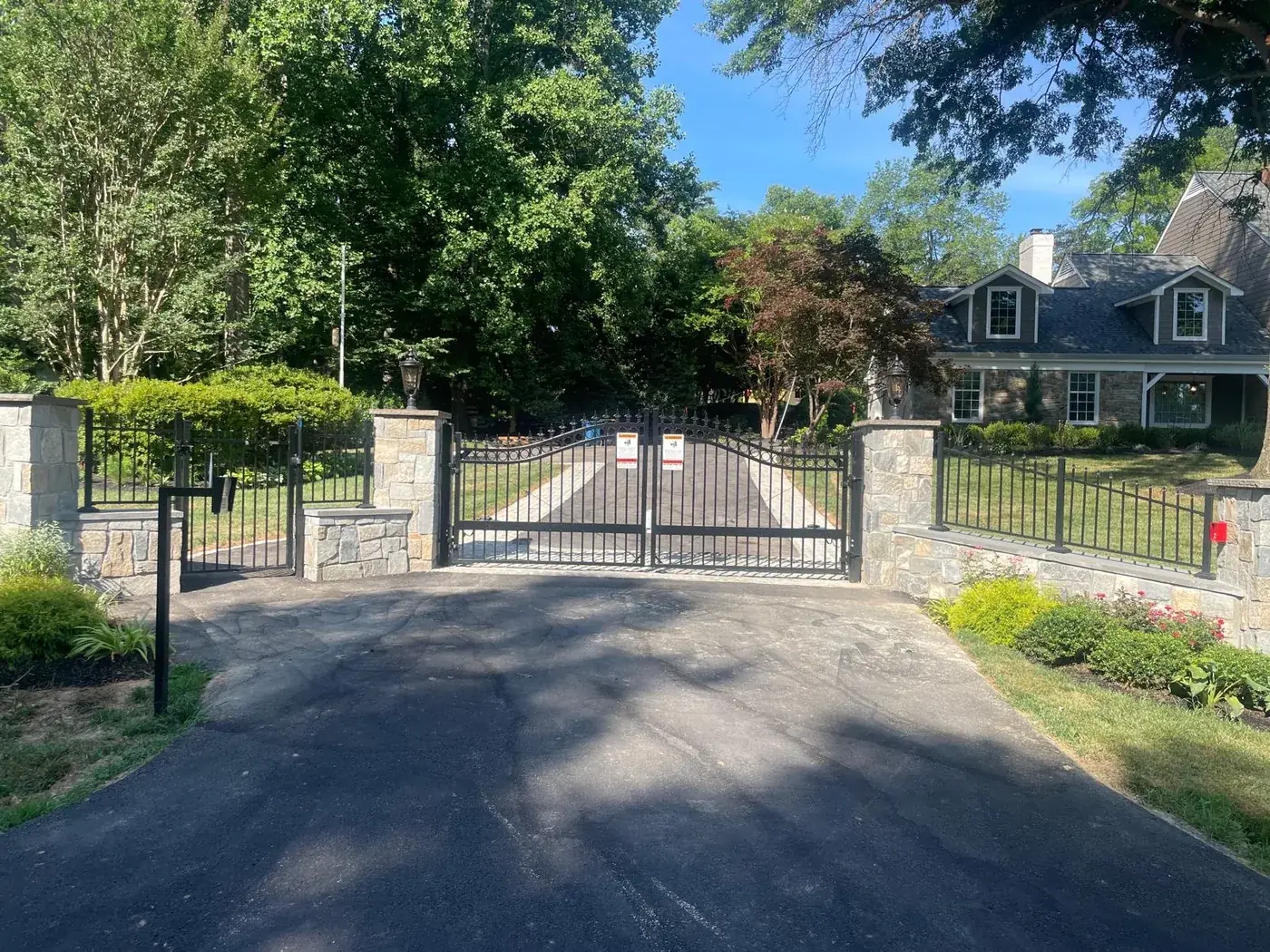
Alleys shape the build. Gates swing where cars and trash carts actually pass, posts land on lines drawn by others, and every inch of access counts. Bins, bikes, and the odd sedan share the same gravel, so the layout respects that. We measure passages before ordering, hang gates on hardware that survives daily use, and set operators only where a drive genuinely earns one. Passages get measured with the gate hardware in hand, so clearances come from fact, not guesswork.
The district also runs on two permit tracks, and mixing them up costs weeks. We sort the property line from the public space at the estimate, file the right application with the right office, and keep the schedule honest. Rowhouse rear gates get specified for the way the household actually moves — bins, bikes, strollers — and the run follows the gate, not the other way around. Where the alley is gravel and the front is brick, the two fences get two designs on one estimate.
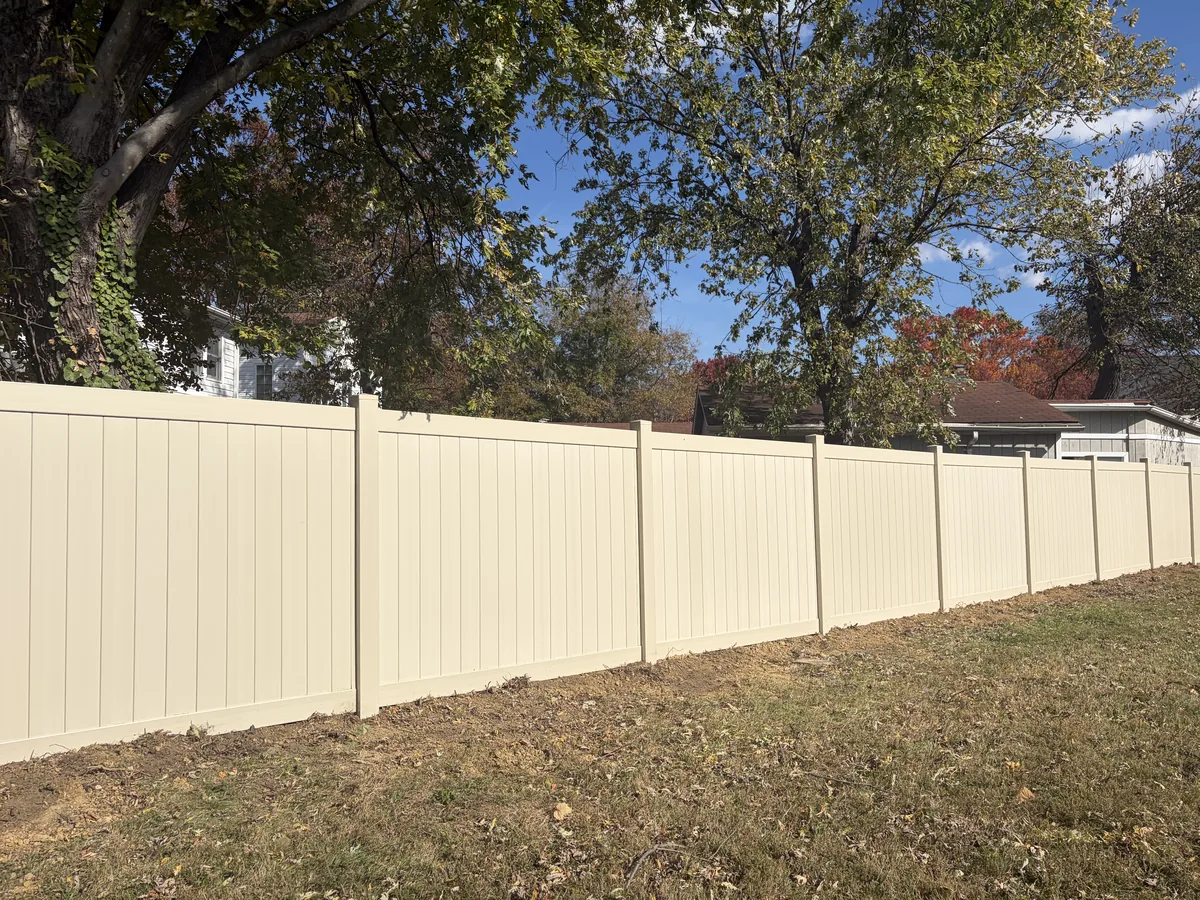
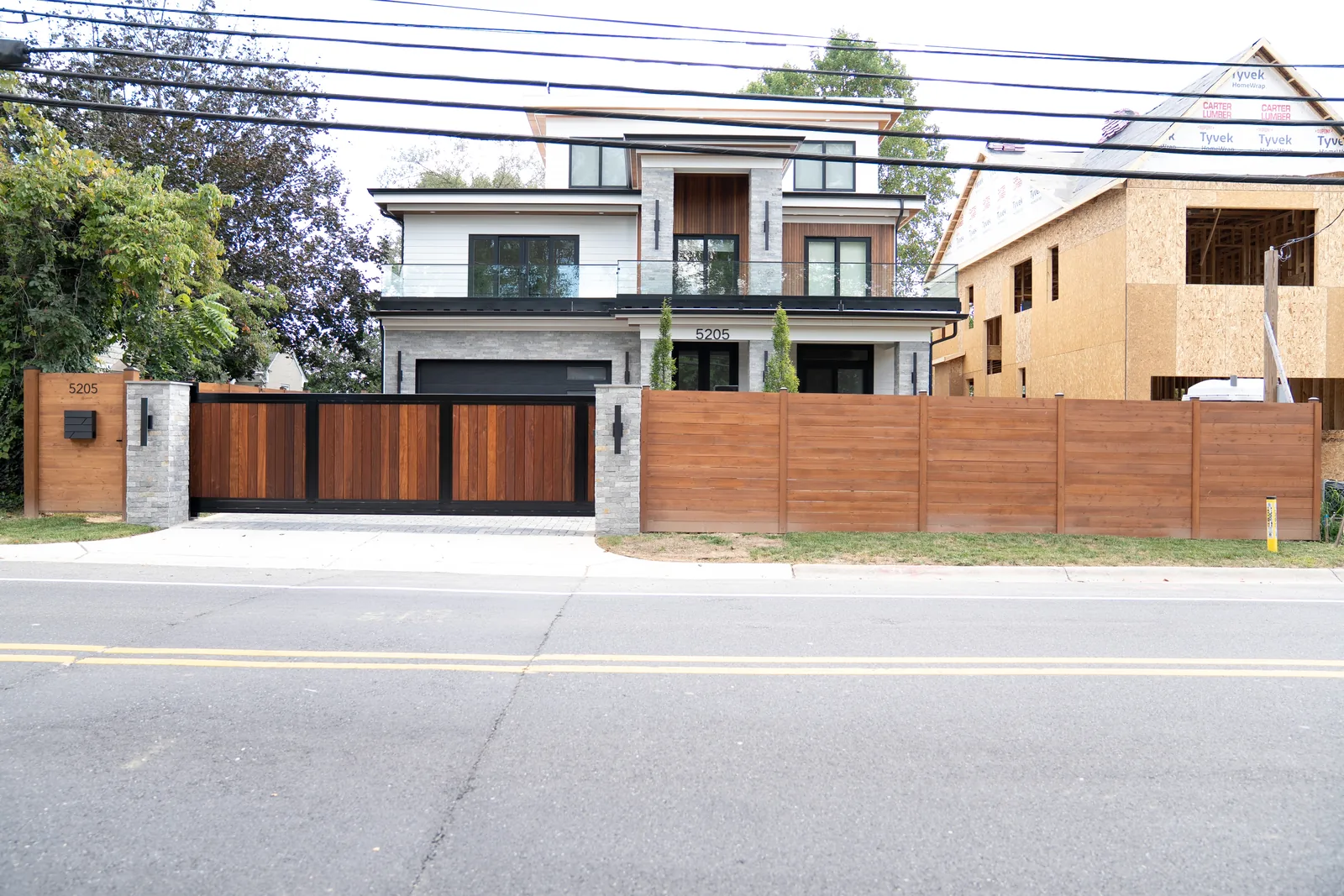
DC frontages favor aluminum fence installation and iron looks at low heights, while rear alleys take wood fence installation in board-on-board for real privacy. Chain link stays popular behind garages along the alleys, black coating keeps it quiet against the brick, and composite earns its place on shady courts where wood never dries.