
By Ray, owner — VA Class A contractor
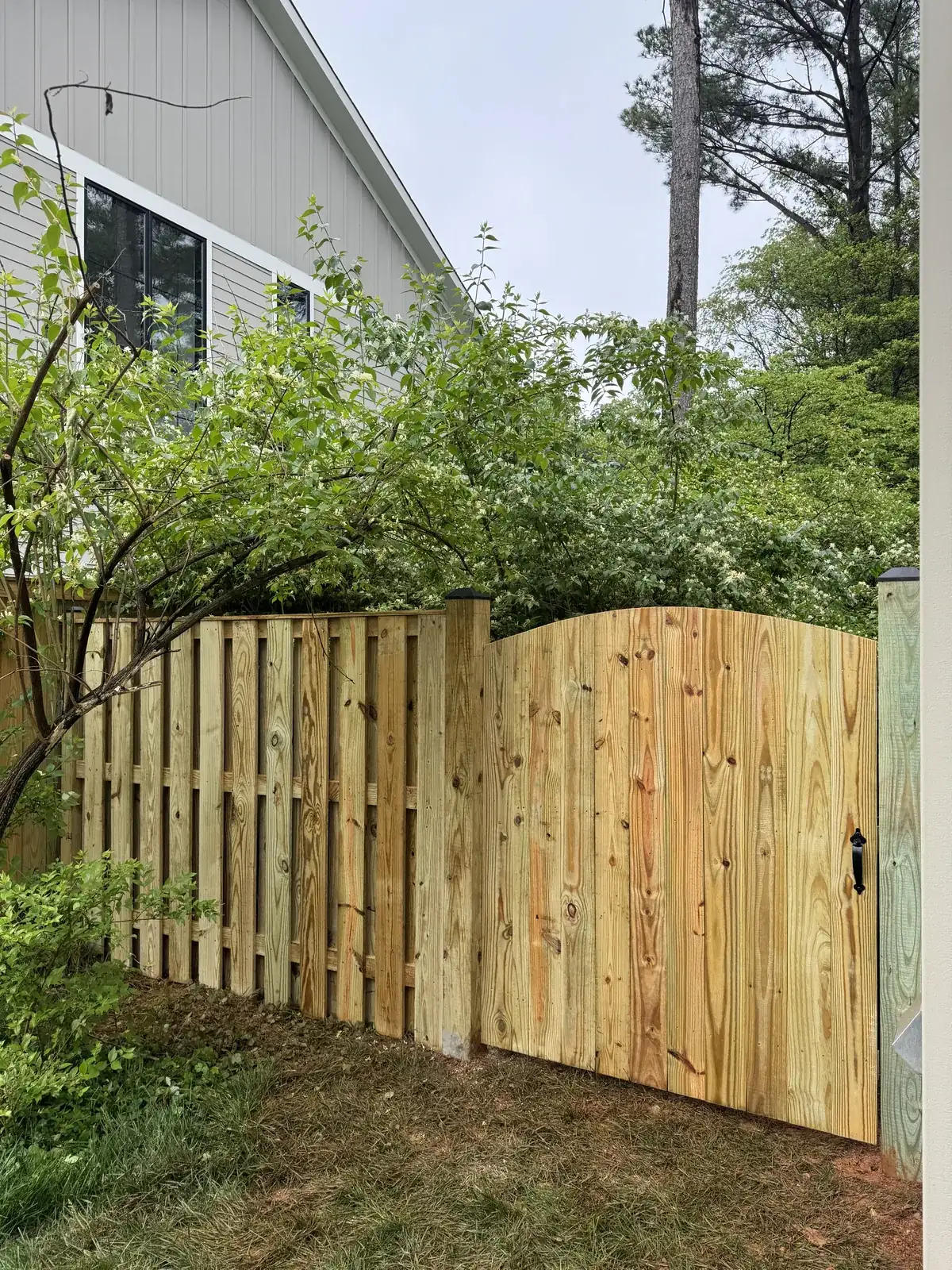
Vienna keeps its own zoning ordinance, and that surprises homeowners who assumed Fairfax County rules carried across the town line. They do not. Two sections of the town code do most of the work on a fence project: §18-410 governs where fences go and how tall they stand, and §18-513 sets the height ceiling inside required setbacks. Here is how we apply both on Vienna lots.
Why does Vienna regulate fences separately from Fairfax County?
Vienna is an incorporated town with its own zoning code, so an address inside the town line answers to the town, not to the county land development offices. The same street grid can flip rules mid-block: a Fairfax County address at one end allows a 7-foot rear fence under county rules, while the Vienna address at the other follows the town's figures. We check the boundary on every estimate near the town line before anything is priced.
What heights does Section 18-410 allow?
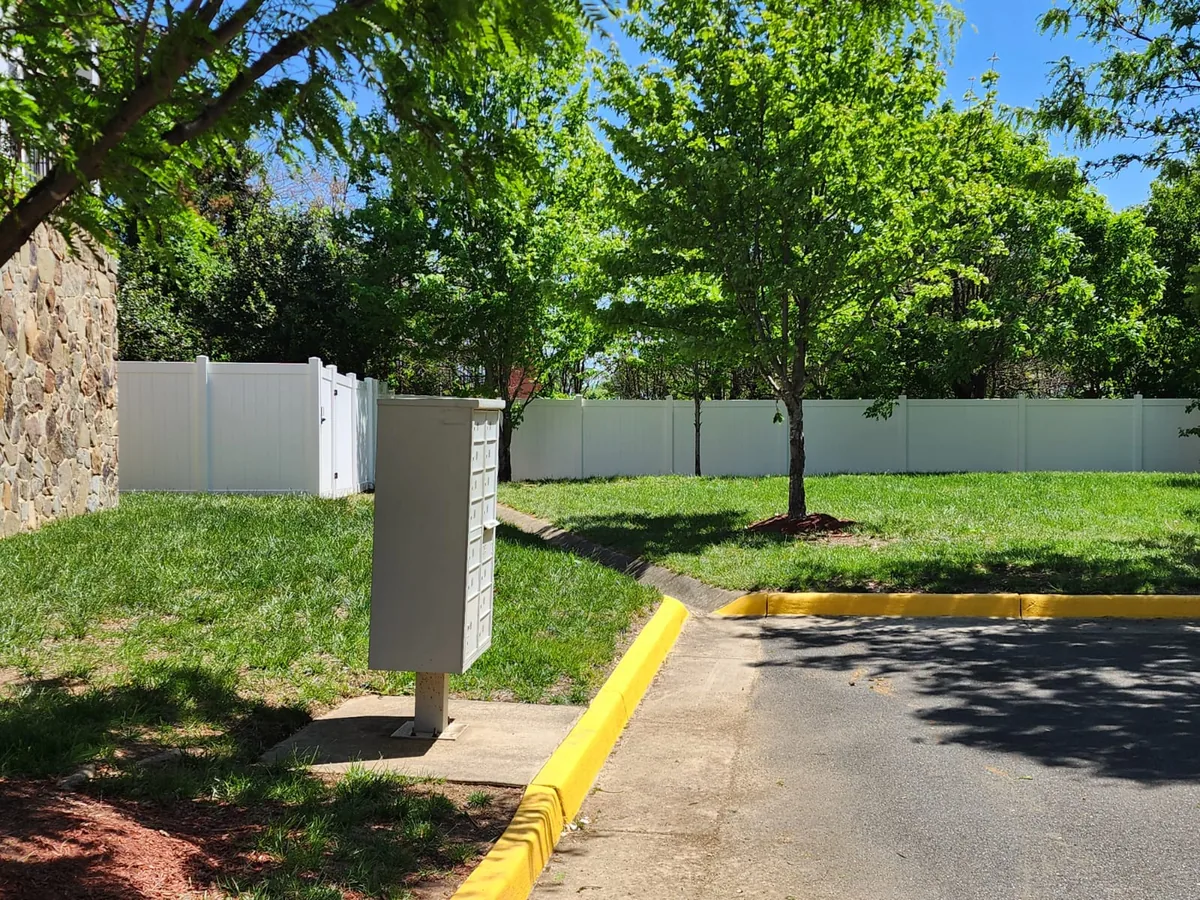
The town sets a cap for each yard, and the numbers are specific. Front yards allow 4 feet. Interior side yards allow 6 feet. Corner side yards allow 4 feet. Rear yards allow 6 feet. Most privacy fences in Vienna therefore live behind the house line, while street-facing runs stay low and open by design.
Those numbers shape material choices more than people expect. A 6-foot rear run suits wood or vinyl privacy, and a 4-foot front suits picket, spaced board, or open aluminum. Our Vienna fence company page shows how we match profiles to those caps on real town lots.
What does Section 18-513 add to the picture?
Section 18-513 writes the ceiling for structures inside required setbacks: 6 feet at most, and only 4 feet in the strip between the front of the principal building and the street. For fences, that 4-foot strip explains why a tall run cannot simply wrap toward the road — once the line passes the front of the house, the height drops. We plan the transition at the estimate so the step-down lands where the code expects it.
Which side of the fence has to face out?
The finished side faces the street and the adjoining properties. The town requires it, and the logic is neighborly: every yard on the block sees a framed, trimmed face instead of rails and fasteners. Shadowbox builds satisfy this rule on both sides at once, which is one reason they stay popular along Vienna property lines.
What happens on a Vienna corner lot?
Corner lots carry the town's most commonly missed rule. The segment between the extension of the neighbor's front building line and the right-of-way is capped at 4 feet, no matter which yard you call it. In plain terms: the fence stays low for that last stretch facing the cross street, then may rise to the standard rear height once it passes that building-line extension. We stake the transition point before posts go in.
Is barbed wire allowed in Vienna?
No. Barbed wire is prohibited on residential fences in the town. Homeowners who want containment for dogs or garden protection get better results from a properly set line with the right gate hardware, and we say so at the estimate rather than pricing a design the town will not allow.
Can you build a 6-foot fence in the front yard?
Only through a conditional use permit, and the town grants those case by case. If your reason is real — a busy cut-through street, a steep grade that drops the yard below eye level — we help you present it to the town rather than guessing at the outcome. Plan on review time before material is ordered.
How do we handle the permit path?
We confirm current requirements with the town before every Vienna build. Questions go to Planning and Zoning at DPZ@viennava.gov, and the answers go into the plan before posts are ordered. Heights, setbacks, and lot conditions change from block to block, so our permit guide for Virginia and Maryland covers the region while your estimate covers your address.
One more layer sits on top of the town's rules: community covenants. HOA documents can narrow style and color further than zoning does, so send us yours and we will read them against the ordinance together.
Call (888) 820-6099 or request a free estimate, and we will walk your Vienna lot and read the code against it with you.