
Short answer: no single rule covers the region. Every county — and several towns — writes its own fence rules. The table and sections below summarize the ones we work under weekly. Rules change; confirm with the office before you build.
Fence rules by jurisdiction (2026)
| Jurisdiction | Permit? | Height limits | Office |
|---|---|---|---|
| Fairfax County, VA | Generally no building permit for residential fences; zoning rules apply | Front yard 4 ft (2+ acre lots may exceed; variance to 6 ft); side/rear up to 7 ft; corner lots: both street yards count as front | Land Development Services (LDS) Permit Application Center |
| Arlington County, VA | Zoning review for some configurations | 4 ft max within 25 ft of a public right-of-way; 6–7 ft elsewhere | Arlington County Zoning Division |
| Town of Vienna, VA | Zoning approval through Planning and Zoning | §18-410: front 4 ft · interior side 6 ft · corner side 4 ft · rear 6 ft; corner-lot 4-ft rule; finished side faces street | Planning and Zoning — DPZ@viennava.gov |
| Montgomery County, MD | Permit required for any fence | 6 ft 6 in max residential; corner sight rule (3 ft above curb within 15 ft of corner); pools: 5 ft barrier | Department of Permitting Services (DPS) |
| Washington, DC | DOB permit for fences over 6 ft | 7 ft max street-abutting (residential); public space (DDOT) capped low and mostly open | DC Department of Buildings; DDOT |
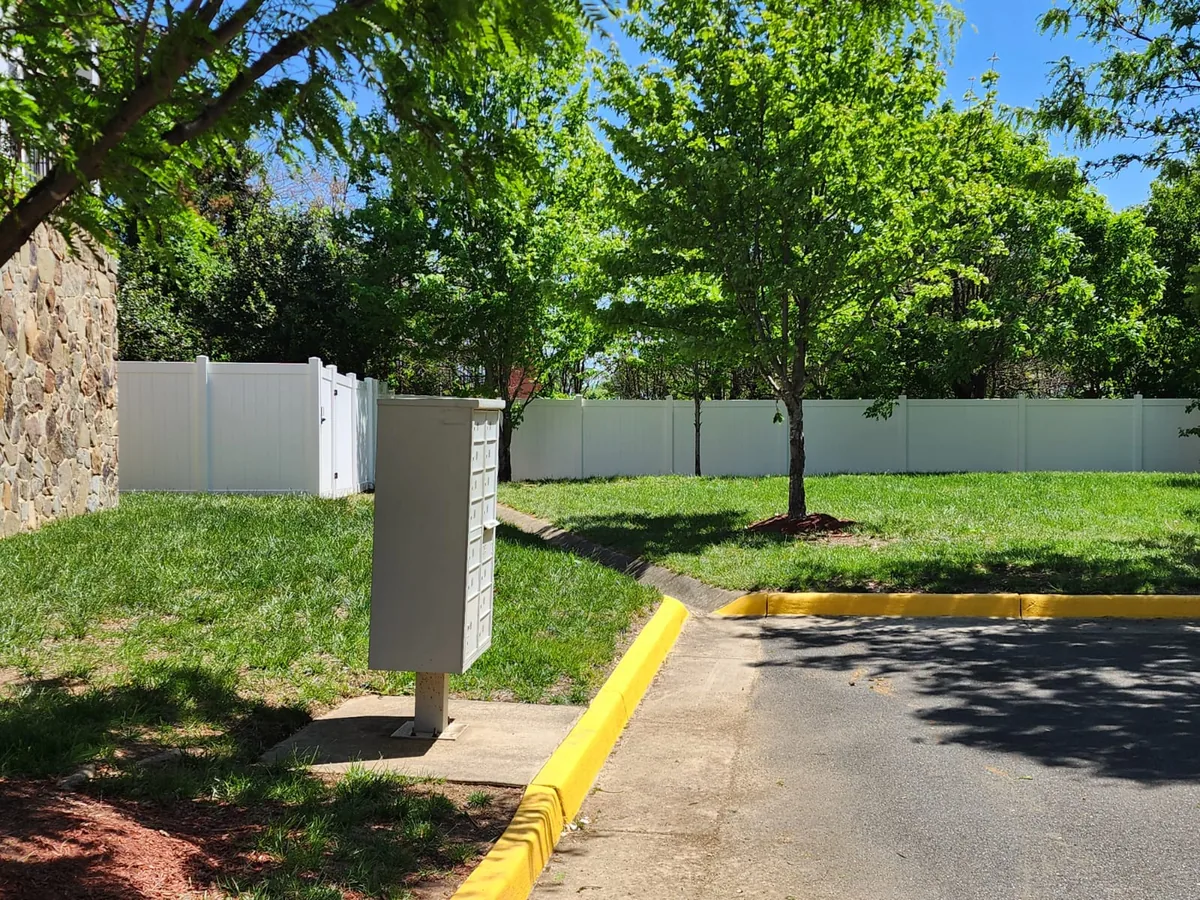
Do you need a permit for a fence in Virginia?
Often no — but "no permit" never means "no rules." Fairfax County's residential fences skip the building permit yet answer to the Zoning Ordinance: the 4-foot front-yard cap is the one that trips people up, especially on corner lots where the side street counts as a second front yard. Towns like Vienna write their own ordinances on top of the county layer.
The Town of Vienna fence ordinance, briefly
Vienna's Zoning Ordinance sets fence heights by yard — 4 feet in the front, 6 feet along interior sides and rears, 4 feet on corner sides. On corner lots, the 4-foot limit reaches across the area between the extension of your neighbor's front building line and the street. Fences show their finished side to the street and the neighbors, and barbed wire is off the table in residential zones. Front-yard fences can reach 6 feet only with a conditional use permit. Questions go to Planning and Zoning at DPZ@viennava.gov.
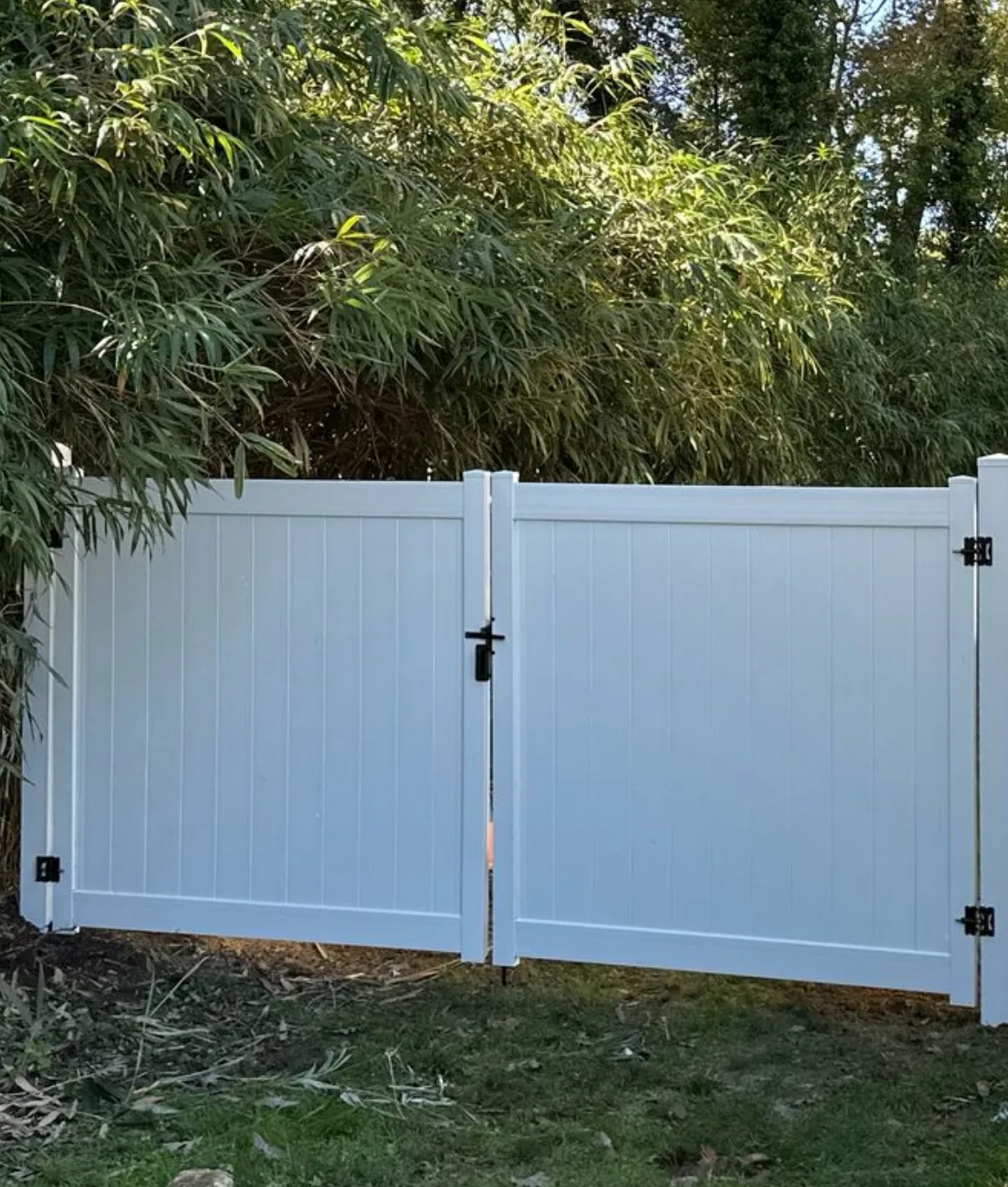
Do you need a permit for a fence in Maryland?
Montgomery County says yes — for any fence, through the Department of Permitting Services. The county caps residential fences at 6 feet 6 inches, keeps corners clear with a sight triangle (no more than 3 feet above curb within 15 feet of the corner), and requires a 5-foot barrier around pools. Rockville, Gaithersburg, and other municipalities run their own offices on top of the county layer. Howard, Prince George's, Anne Arundel, Charles, and Frederick counties each run their own processes — check the county office before you build.
Fence rules in Washington, DC
Two agencies matter. The Department of Buildings handles permits — required over 6 feet, with street-abutting residential fences capped at 7 feet. Anything between your property line and the curb is DDOT public space and needs a public-space permit; front and corner fences there are capped low and must stay mostly open. Historic districts add design review.
The 7-year fence law question
People search "7 year fence law" when a fence has stood on the wrong side of a line for years. The honest answer: adverse possession in Virginia generally requires 15 years of open, notorious occupation — not 7 — and a fence is evidence, not a title transfer. Maryland's period is 20 years. Boundary disputes are surveyor-and-attorney work; fence companies build where the property line actually is. If neighbors disagree, get the line surveyed first.
HOA rules sit on top of everything
Reston Association covenants, planned-community guidelines, and townhome associations all add approval steps: height, color, style, sometimes the exact panel. Get the association's approval in writing before the estimate becomes a build date. We build to association spec weekly — bring the approval letter to the estimate.
Miss Utility — call 811 before anyone digs
Every dig in Virginia, Maryland, and DC starts with an 811 call. Utilities mark their lines for free, and it is the law. What 811 does not mark are private lines — irrigation, invisible pet fences, low-voltage lighting. Point those out before the first hole.
Pool barriers are their own rulebook
Pools add barrier requirements: a minimum 48-inch fence, self-closing and self-latching gates with the latch on the pool side. Montgomery County requires 5 feet. We build pool fences to code and leave the spec sheet for your inspector — see pool fence installation.
We check the rules for you
Every estimate includes the permit check for your parcel: county or town rules, HOA layer, 811 call. You approve the scope; we handle the paperwork. Start with a free estimate.