
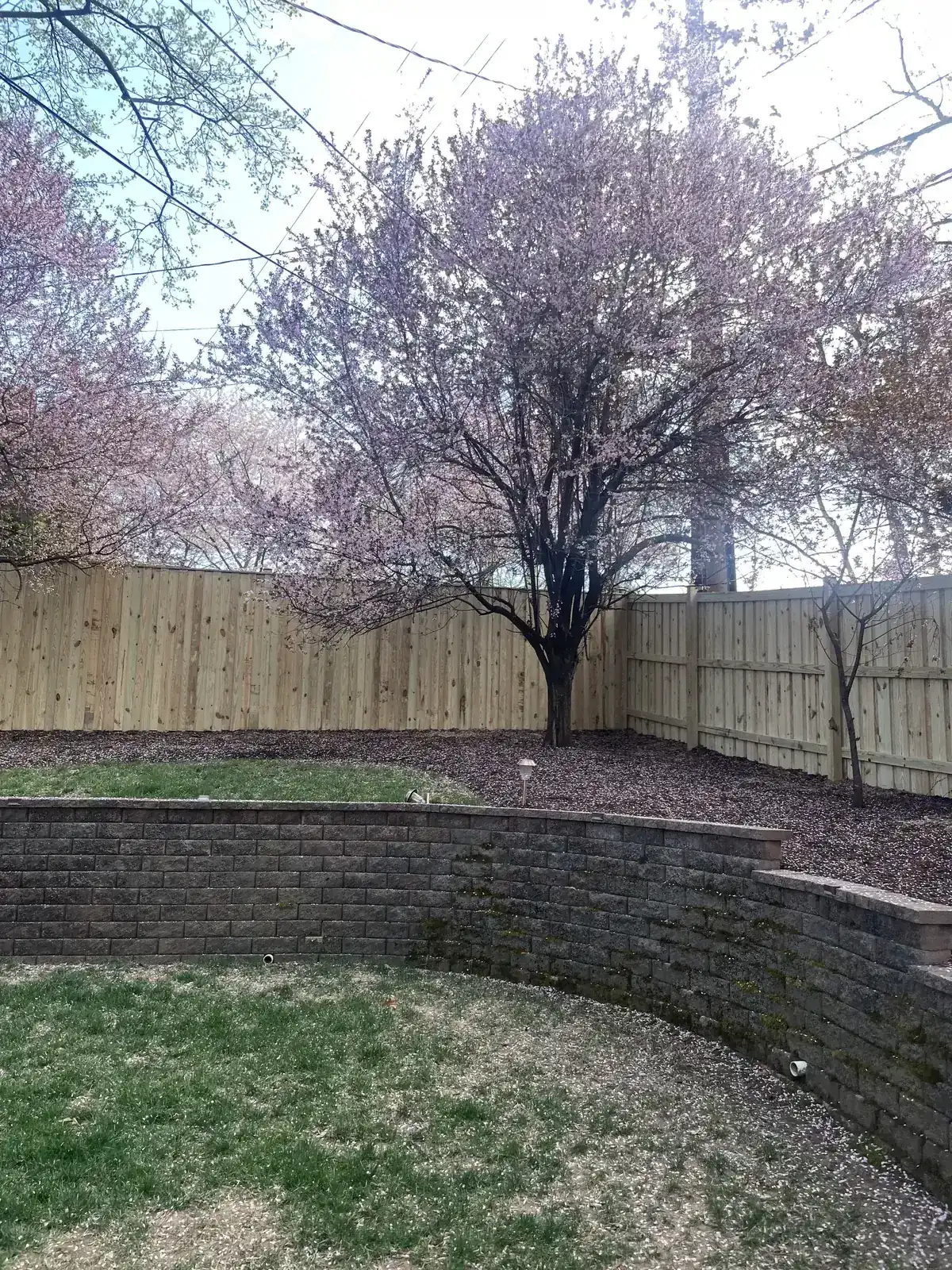
Ask three neighbors how tall a fence can be and you may get three answers — all correct, if they live in different jurisdictions. Height rules change at every border in our service area, sometimes at the town line two streets over. Here are the rules we plan around across Northern Virginia and Maryland. One note before them all: confirm with the office that governs your address — rules change.
How tall can a fence be in Fairfax County?
Front yards cap at 4 feet. Side and rear yards allow up to 7. Lots of 2 acres or more may carry a taller front-yard fence — up to 7 feet — and a variance to 6 feet is possible in some cases. On corner lots, both street-facing yards count as front yards, which surprises owners who planned a 7-foot side fence around the corner. Most residential fences in Fairfax need no building permit, but zoning rules like these still apply, enforced through the county's land development offices. County addresses in Vienna-adjacent areas follow the county rules; incorporated towns write their own.
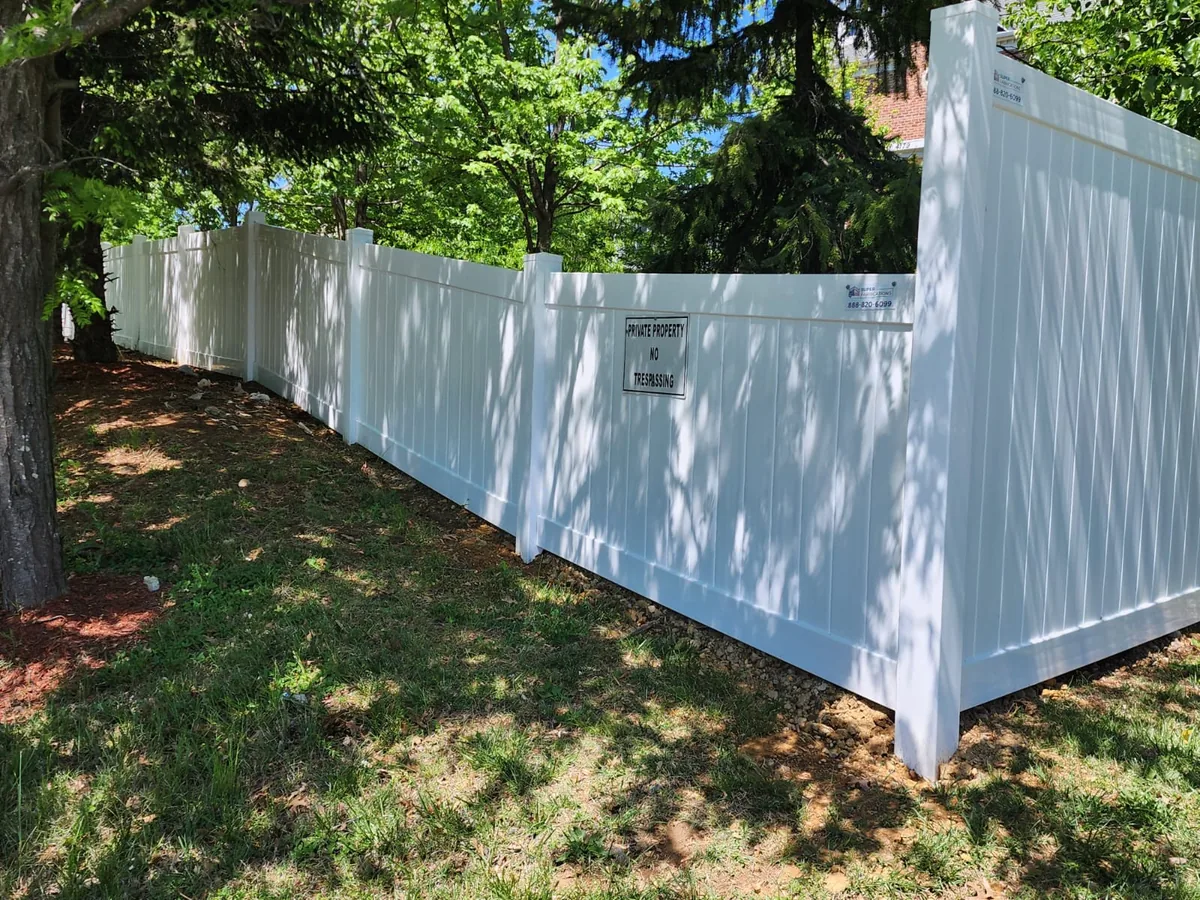
What does Arlington County allow?
Arlington caps fences at 4 feet within 25 feet of a public right-of-way. Elsewhere on the lot, the county's fence diagram allows roughly 6 to 7 feet, and that diagram is the reference document we keep open on Arlington estimates. Some historic and special districts add exceptions that need Zoning Division review, so the address matters as much as the measurement. If your yard touches a street, assume the 4-foot line governs until the county confirms otherwise.
What are the Town of Vienna's rules?
Vienna runs its own zoning ordinance, and it is specific. Section 18-410 sets heights by yard: front yard 4 feet, interior side 6 feet, corner side 4 feet, rear 6 feet. On corner lots, the stretch between the extension of the neighbor's front building line and the right-of-way caps at 4 feet. Finished sides face the street and adjoining properties. Barbed wire is prohibited. A 6-foot front-yard fence requires a conditional use permit. When a Vienna plan sits close to a line, the town answers zoning questions directly at Planning and Zoning — DPZ@viennava.gov. We build Vienna fences to those figures every week.
How tall can a fence be in Montgomery County?
Residential fences top out at 6 feet 6 inches. Montgomery also requires a permit for any fence through the Department of Permitting Services — height aside. Corner lots carry their own rule: within 15 feet of the corner, a fence may rise no more than 3 feet above the curb level, protecting sight lines at the intersection. Pools add a 5-foot barrier requirement on top. Rockville and Gaithersburg run their own permit offices, so a Gaithersburg address does not file where a Bethesda one does.
What about Washington, DC?
Street-abutting residential fences may reach 7 feet. Any fence over 6 feet needs a building permit from DC's Department of Buildings. The strip between your property line and the curb belongs to DDOT as public space, so a fence there needs a DDOT public-space permit — and front and corner fences in that space cap low and must stay mostly open. Historic districts add design review on top of all of it. Rowhouse alleys and shared courts raise their own questions; ask the permit office before assuming a side wall settles the matter.
Why confirm before you build?
Because ordinances get amended, interpretations shift, and a corner lot can turn a legal plan into a violation. The offices above answer height questions by phone and email — that call is free, and it comes before the posts, not after. A five-minute call beats a five-foot rebuild. Bring your plat to the estimate too: height and placement get checked together, since a fence that is legal at 6 feet in the rear can be illegal at the same height twelve feet away in a side yard. We check the rules for your address as part of every estimate, and our guide to fence permits in Virginia and Maryland covers the full process. For the Maryland side, see our Maryland fence company page. Call (888) 820-6099 and we will confirm your numbers on your own lot.