
Fairfax County keeps fence permitting simpler than most of the DC metro, but simpler is not the same as careless. Zoning rules still control height and placement, corner lots carry extra restrictions, and one free phone call protects you from hitting a utility line. Here is the complete walkthrough, step by step.
Do you need a permit for a fence in Fairfax County?
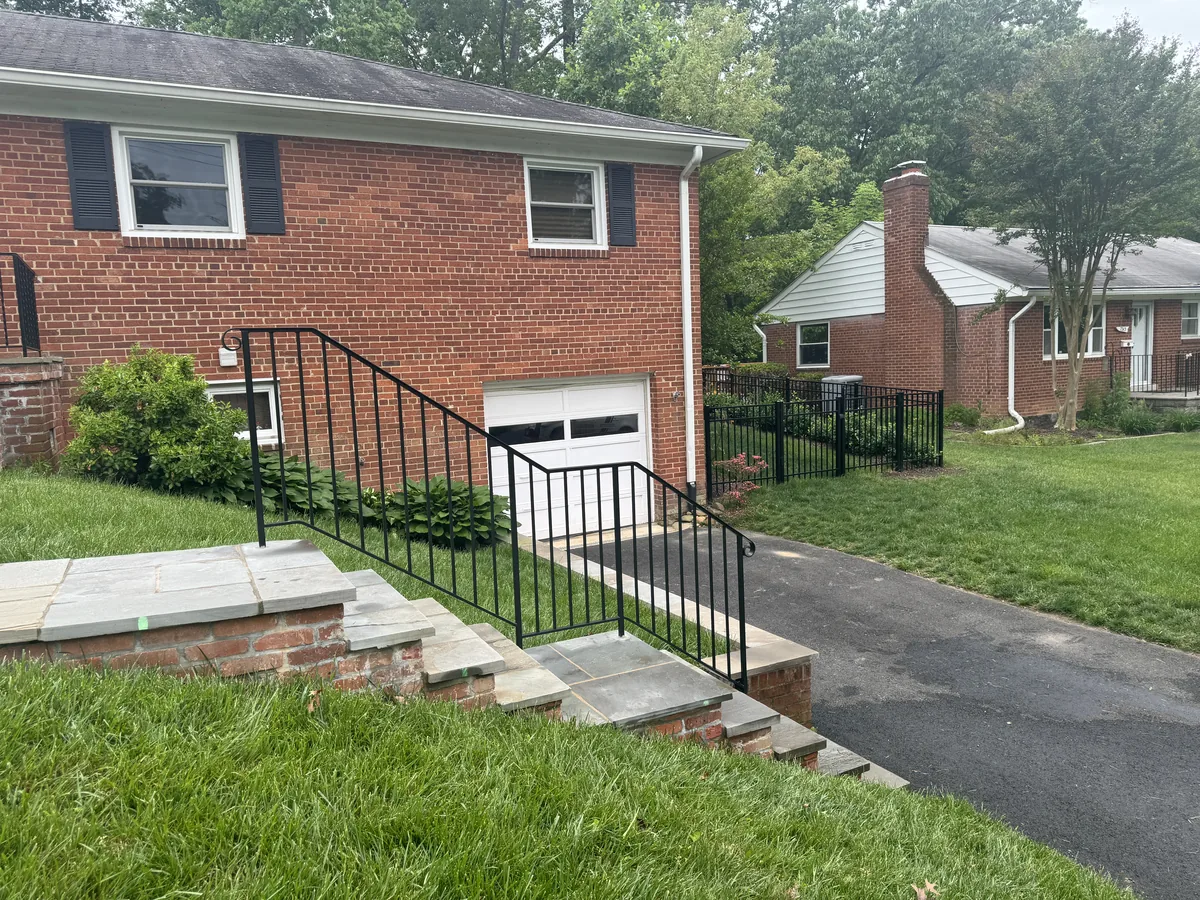
Generally, no. Residential fences in Fairfax County generally need no building permit. What the county does apply, firmly, are zoning rules: height limits, yard locations, and corner-lot conditions. Those rules are the permit process in practice — meet them and the fence proceeds; miss them and you may be asked to change a finished fence.
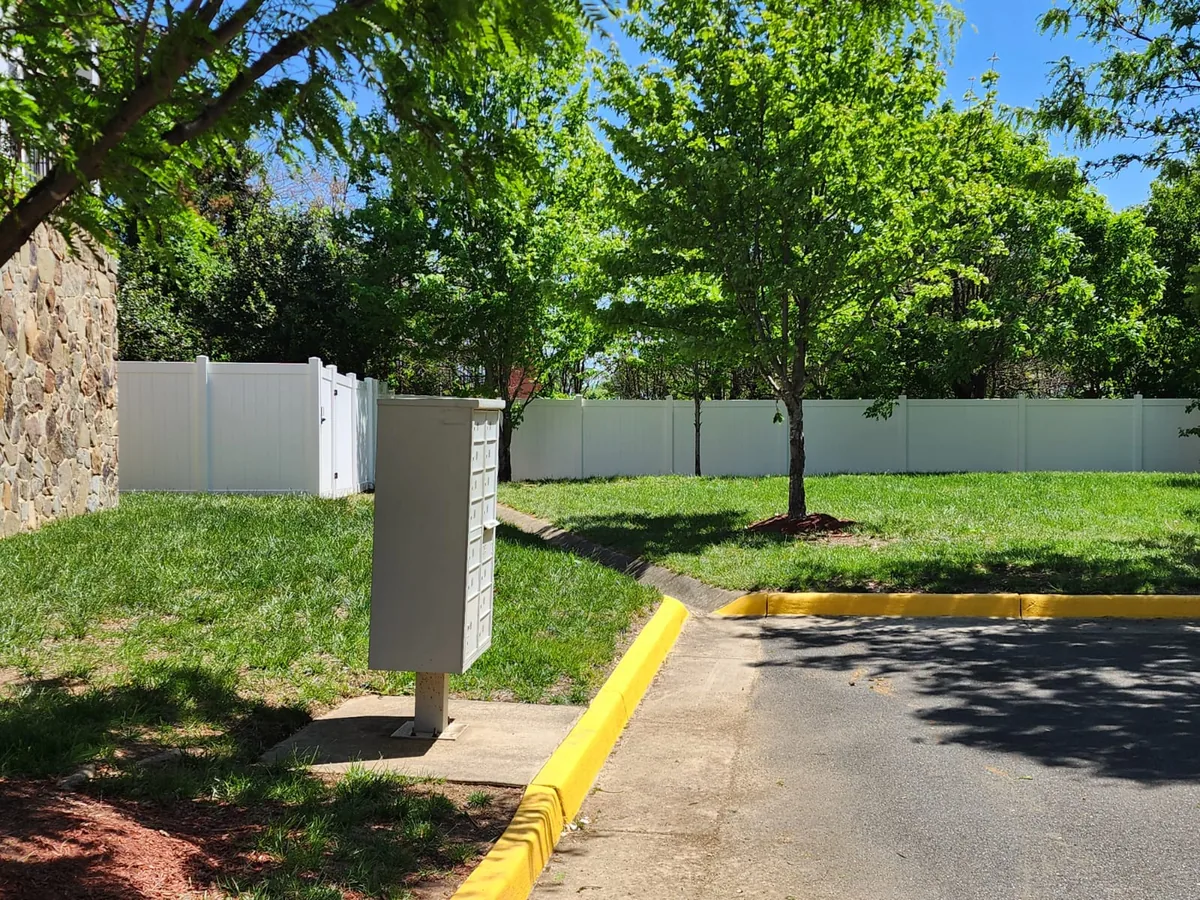
When a design departs from the standard rules, the question moves to the Fairfax County Land Development Services (LDS) Permit Application Center. That office answers zoning questions, processes the cases that need review, and confirms what your specific lot requires. Rules change and lot conditions vary, so we confirm current requirements with LDS before every unusual build.
What are Fairfax County's fence height rules?
Front yards are capped at 4 feet. Lots of 2 acres or more may go to 7 feet in the front, and a variance can allow 6 feet in specific cases, but plan on 4 feet for a typical lot. Side and rear yards allow up to 7 feet, which is why most privacy fences in Fairfax County live behind the house.
HOA rules sit on top of county rules and are separate. Many Fairfax neighborhoods restrict style, color, and height beyond what the county asks. Check your community documents before ordering material.
Placement follows the same zoning logic as height. Fences belong inside your property line, and easements — the strips that utilities or drainage rely on — can affect where a run sits. When a lot has easements or unusual boundaries, the Permit Application Center can confirm what applies before material is ordered.
What happens on a corner lot in Fairfax County?
On corner lots, both street-facing yards count as front yards. That means the 4-foot cap applies along both streets, not just the addressed front. It is the most common surprise in Fairfax County fence planning, and it catches homeowners who assumed the side street counted as a side yard.
Design around it honestly: keep both street runs low and open, and save the 7-foot privacy run for the rear where it belongs.
How do you walk through the process step by step?
Here is the sequence we follow on every Fairfax County fence.
- Confirm the rules. Height, location, and corner-lot conditions come first — check with the LDS Permit Application Center or let us confirm them for you during the estimate.
- Check the HOA. Community documents often add style and color rules beyond the county's, and some associations want approval in writing before work starts.
- Find the line. A survey plat settles most boundary questions. Flagging the line with the neighbor watching turns a guess into an agreement.
- Call 811. Miss Utility marks buried gas, electric, water, and communication lines for free, and the call is required by law in Virginia before any digging.
- Stake and build. With rules confirmed and utilities marked, we set stakes and lines, order material, and build on schedule.
One more habit worth copying: keep the plat, the HOA approval, and the 811 ticket number in the same folder as your fence contract. If questions come up years later — at a sale, or when the next door neighbor builds — the paperwork answers them before they become disputes.
Our fence permit guide for Virginia and Maryland covers the whole region, including the counties where permits are mandatory.
How long does a Fairfax fence project take?
Because most residential fences skip the building permit, the calendar is mostly about materials, utilities, and scheduling. Homeowners feel that speed. Brent Fleetwood wrote in a review posted on Google that Ray "was very knowledgeable and got everything permitted and had the project pushed through very fast."
Planning a fence in Fairfax County? Our Fairfax fence company page covers the county end to end, or request a free estimate and call (888) 820-6099. We will confirm the rules for your specific lot.