
By Ray, owner — VA Class A contractor
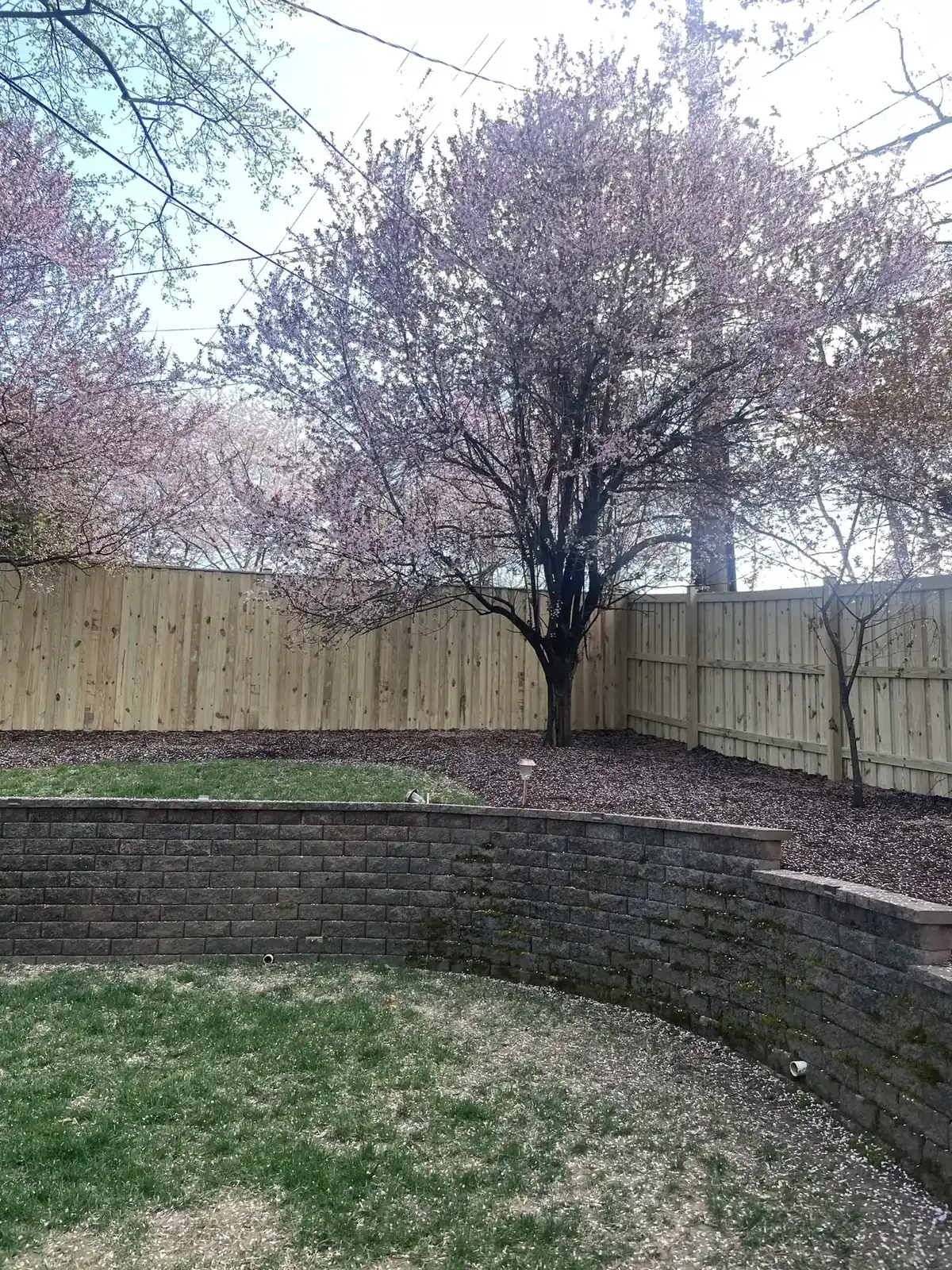
The privacy fence is the most requested build in our books, and the reasons are more practical than the marketing suggests. Before you order one, it helps to know exactly what it delivers, what your county will let it be, and the one claim we will not make for it. Here is the straight version.
What does a privacy fence do every day?
Three jobs at once. It screens — morning coffee, yard work, the state of the patio furniture all stay yours. It contains — a 6-foot line holds dogs and kids in a way no amount of instruction replaces. And it defines — the yard becomes a room, with the fence as its walls, which is why decks and patios so often get their fence in the same season. A clear, owned line also settles boundary questions before they start, which is quieter than any conversation about where the old fence stood. Owners tell us the containment matters more than the privacy; the privacy is just the part visitors notice.
How tall should a privacy fence be — and what do county caps allow?
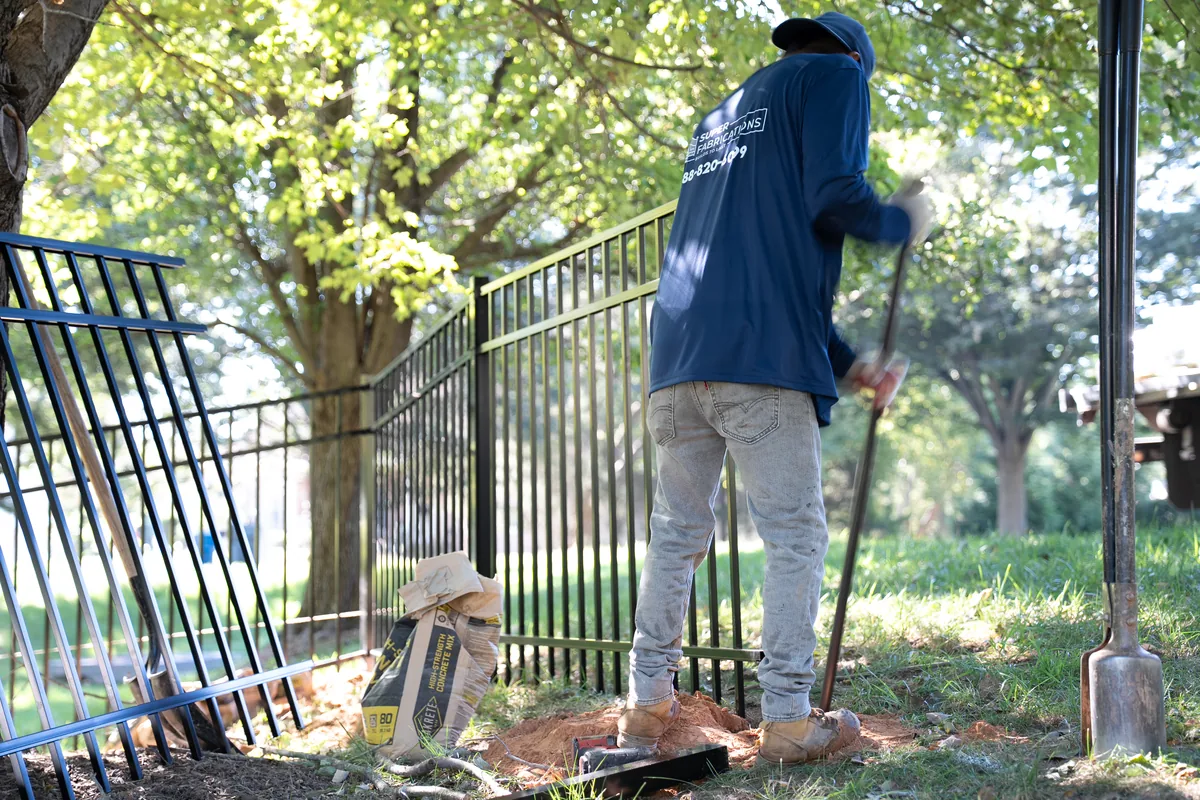
Six feet is the working standard, and it is no accident: six feet puts the boards above the sightline of a person standing in the next yard. Most jurisdictions allow exactly that in rear and side yards — Fairfax County allows up to 7 feet in those yards, the Town of Vienna sets 6 feet, and Montgomery County caps residential fences at 6 feet 6 inches. Front yards are another story: 4 feet is the common cap across our area, so the privacy lives behind the house line. Where caps run lower than your screening goal, open lattice construction is sometimes treated differently from solid panels — confirm with the office that governs your address before counting on it. We confirm the figures for you at the estimate, since caps change at town lines.
Does a privacy fence really block noise?
Softens, honestly — and the difference matters. A solid mass at 6 feet does dampen what crosses it: distant traffic hums quieter, the neighbor's leaf blower loses its edge, and conversation on a patio feels more contained. What it cannot do is silence a nearby road, because sound simply travels up and over any fence line. Mass and distance both help: a fence set farther from the noise source, with dense plantings layered against it, does more than the same fence standing alone. If noise is your primary problem, expect real improvement in the yard's feel and set your expectations for the decibels accordingly. Anyone who promises a silent yard is selling something else.
How do you place a privacy fence on the lot?
Start from where the living happens, not from the property line. A fence six feet out from a deck screens differently than one at the boundary — closer in, it frames the space and blocks more sky; at the line, it buys every foot of yard. Sightlines decide the rest: if the neighbor's yard sits a half-story above yours, a standard six feet screens less than you hope, and the honest fix is placement and plantings working with the fence. We walk the sightlines with you at the estimate, from the patio chair's point of view, because that is where privacy is actually experienced.
Which material suits a privacy fence?
Both of the usual candidates build the same silence. Vinyl keeps its color for decades on a wash-only schedule and suits owners who never want to think about the fence again; wood costs less upfront, brings a warmth vinyl does not copy, and asks for a stain cycle every few years. We install both across the region every week — compare them in detail on our vinyl fence installation and wood fence installation pages.
When is a privacy fence the wrong call?
When the yard's value is the view — a fence that blocks what owners and buyers love subtracts instead of adds. When the question is the frontage, low open fencing usually serves better than a wall. And when the neighbors share the sightline, a shadowbox build gives both yards a finished face for a little less screening.
Call (888) 820-6099 or send an estimate request, and we will walk your line, check your county's caps, and show you where the privacy starts.