
By Ray, owner — VA Class A contractor
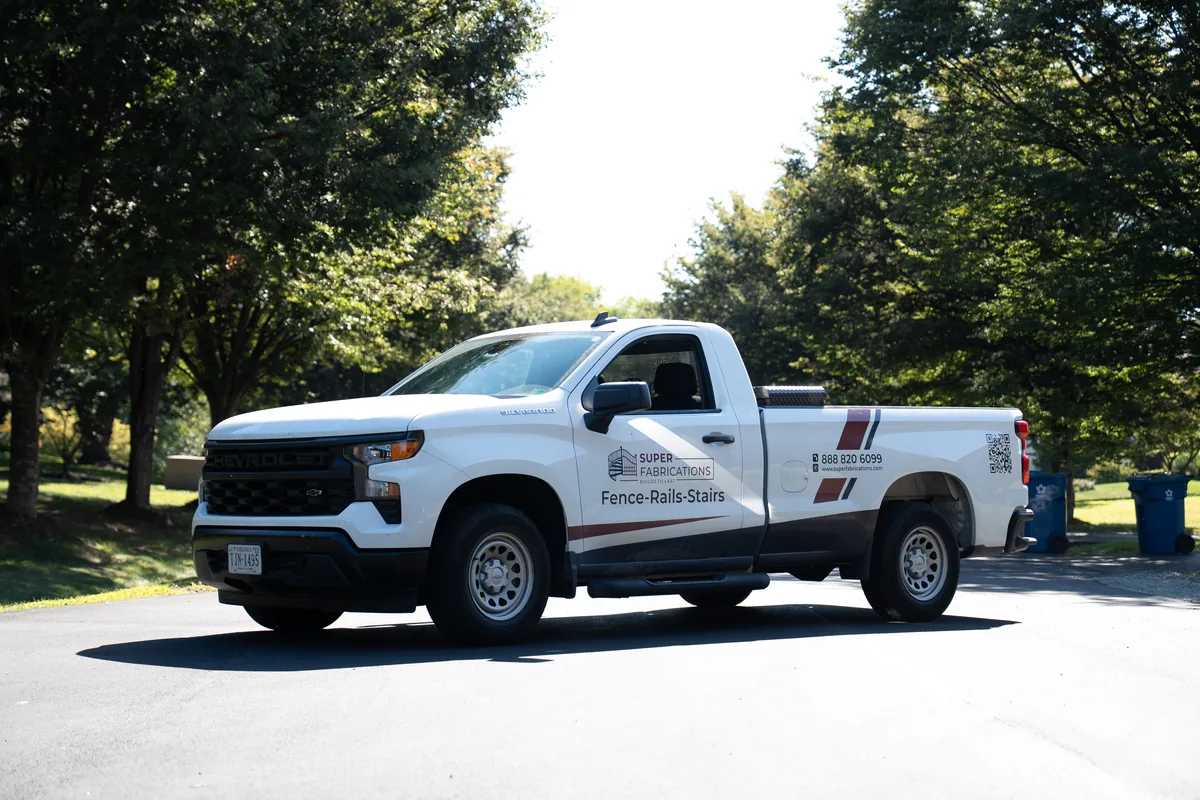
Virginia does not ask much of a fence buyer: a license check, an insurance card, and one honest estimate will sort a good company from a bad one. The hard part is knowing which questions to ask before the deposit changes hands. Here is the checklist we would use if we were hiring, and the standards we hold ourselves to on every job from Fairfax to Montgomery County.
What does a Virginia Class A contractor license actually mean?
The Department of Professional and Occupational Regulation licenses contractors in three classes — A, B, and C — with Class A covering the largest projects and carrying the strictest experience and financial requirements behind it. A Class A designation does not guarantee good work by itself, but it does tell you the company is established enough to clear a higher bar to hold the license.
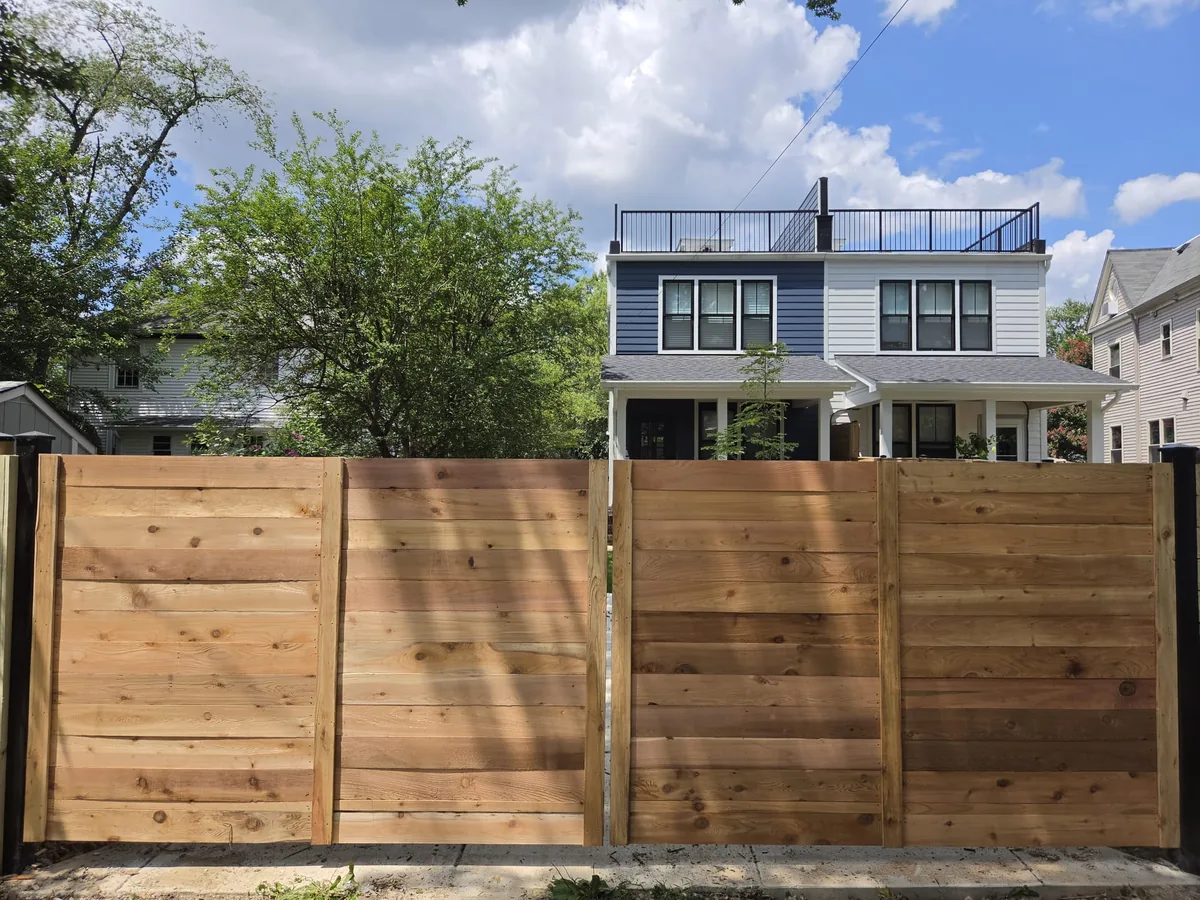
We carry the Class A credential, and we mention it for a practical reason: it is verifiable. Look any contractor up in the state's license database before you sign, whether that contractor is us or anyone else. A license number that resolves to an active classification is worth more than a truck magnet.
Why do licensed, bonded, and insured matter on a fence job?
Because a fence job puts a crew, a machine, and post holes on your property. Insurance responds when something goes wrong — a cut utility line, a damaged sprinkler main, an injured worker. Bonding and licensure give you structure behind the promise when they do. Ask for proof, not assurance. Any company that hesitates to send a certificate has answered your question.
Which estimate red flags should end the conversation?
A few signals matter more than price, and we would walk from each of them ourselves.
- No site visit. A number quoted from a phone call or a satellite view prices a yard the estimator never saw. Slopes, gates, and access change the job.
- No written scope. Footage, material, gates, removal, permits — if it is not written, it is not agreed.
- Cash-only terms or a large deposit demanded on the spot. Legitimate companies take checks and cards and let you think overnight.
- Pressure to sign today. A real schedule holds for a week.
- Blank answers on permits. Ask who pulls the permit in your county or town. Silence means the company has not worked your jurisdiction.
What should a solid estimate include?
Measured footage taken on your property, the material written as a specification, gate count and widths, old-fence removal if it applies, the permit plan for your jurisdiction, and a schedule. That is the whole list, and it fits on a page. Our guide to choosing a fence company in Northern Virginia walks the comparison line by line.
When should you collect more than one estimate?
On any project bigger than a minor repair, two or three estimates are worth the hour they cost. Not because the lowest number wins — it usually does not — but because comparing scopes shows you what each company assumed. One visits and measures; one quotes from a map. One names the permit office; one shrugs. The company that asks the most questions about your yard is usually the one that has thought hardest about building on it. Bring any written estimate to the comparison and put it through this test.
How do we hold ourselves to this list?
Every estimate we write is free and happens on your property, because a fence priced from a driveway is a guess wearing a letterhead. We are licensed, bonded, and insured, we hold the VA Class A credential, and we belong to the American Fence Association. Edgar Rios said it shorter than we can, in a review posted on Google: "Excellent service and professionalism." That is the standard the checklist is really testing for.
When you are ready to compare numbers, start with our fence installation work across Northern Virginia, then put our estimate against any other on your table. And read reviews for how a company behaves when something goes wrong — the response matters more than the complaint.
Call (888) 820-6099 or request a free estimate and keep the checklist open while you read it.