
A fence is one of the few purchases a business makes that serves four departments at once: operations, security, marketing, and compliance. When owners ask whether a commercial fence is worth it, we walk the property and show them where each department gets paid back. Here is the business case, in plain order.
What does asset protection look like in practice?
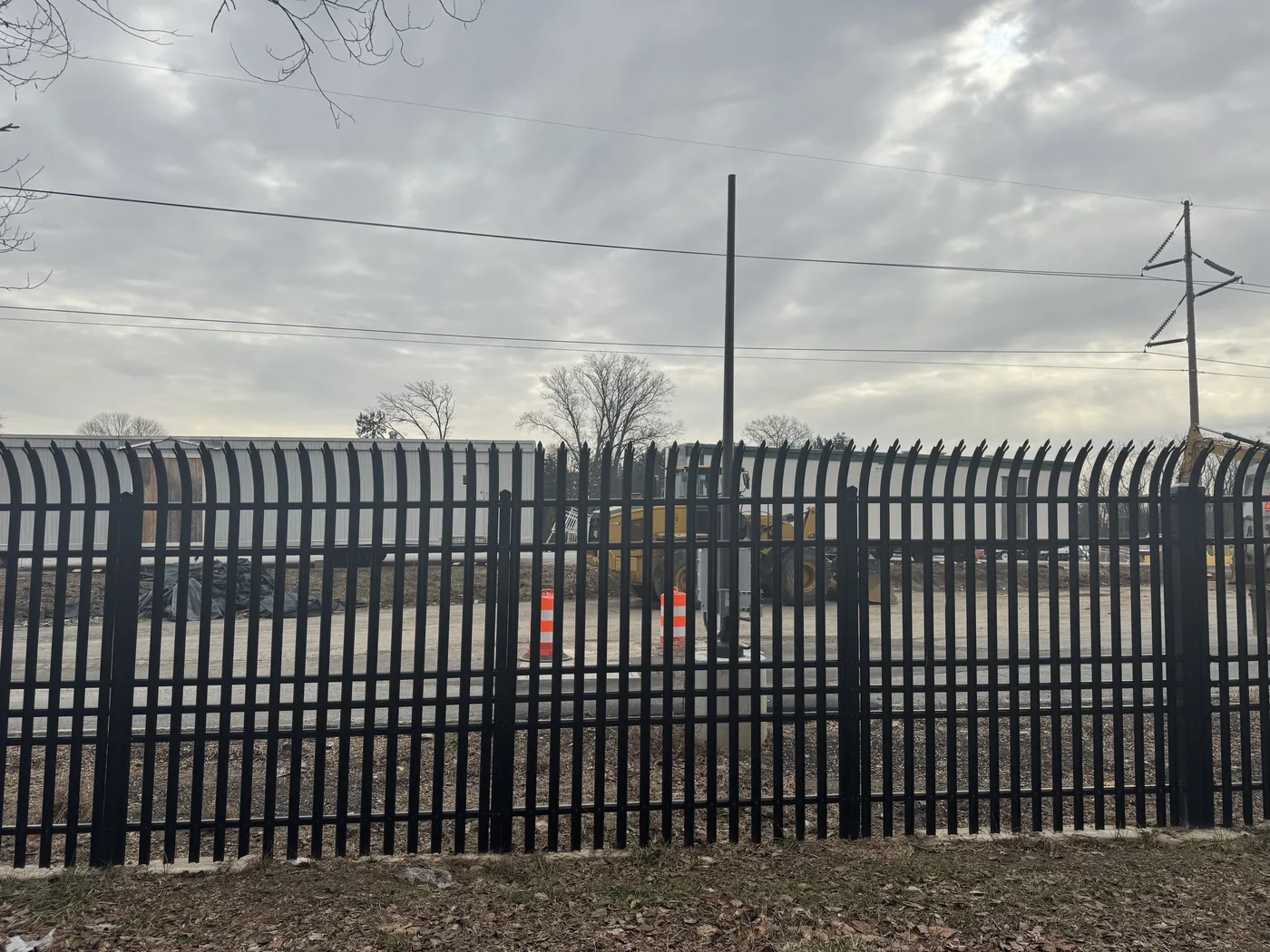
Every unfenced yard leaks. Tools walk away from job trailers, copper disappears from mechanical yards, and pallets stacked for Monday grow legs over the weekend. A perimeter fence does not make theft impossible — it makes your property the harder target on the street, which is enough for nearly all opportunistic loss. Most of that loss never makes the news; it just erodes margins one missing tool at a time. Add one controlled gate, and the arithmetic improves again: after hours, everything behind the line sits behind a single locked, monitored point instead of four open corners.
Why is access control a daily win?
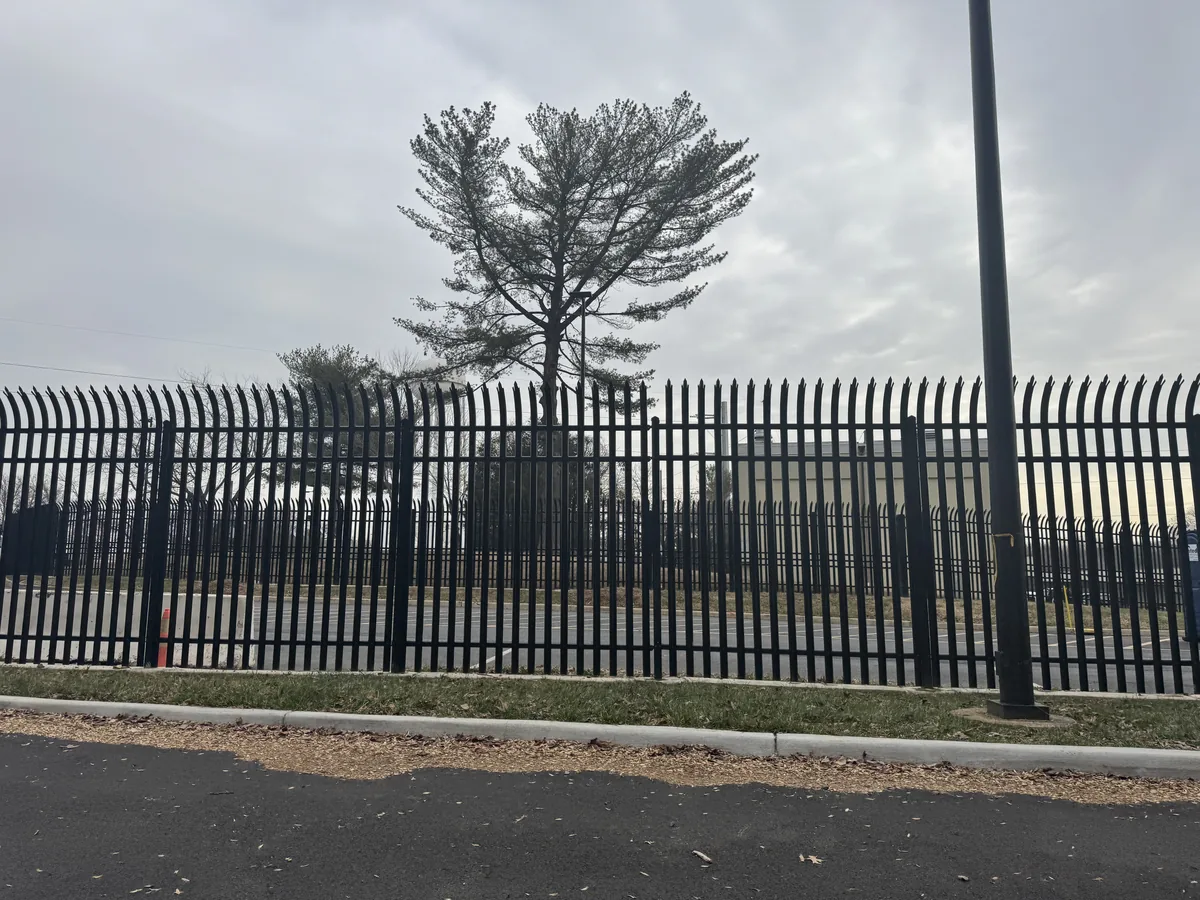
The fence pays a little every day, not only in prevented losses. One vehicle gate means deliveries arrive where you want them, employees park where the plan says, and after-hours traffic faces a decision point instead of an invitation. Pair the gate with an operator — keypad or card reader — and the record exists without anyone keeping it. For sites running crews out at dawn, the automated gate simply closes behind the last truck and the property manages itself. Our automatic gate installation work is where most businesses feel the daily difference first.
What does screening mean for a commercial property?
Screening is the quiet workhorse of commercial fencing. Dumpsters, mechanical units, loading areas, and material stock all read differently behind a clean line than they do in open view — to customers, to inspectors, and to the county staff who wrote the screening requirement in the first place. Many commercial zones and leases carry explicit screening standards for waste and equipment areas. A fence designed to those standards from the start solves a compliance letter before it is written, and it makes the back of the property look as considered as the front.
How does fencing help curb appeal and compliance?
Customers judge a site before they read a sign. A straight, clean line — black steel along the street frontage, tidy screening where the county requires it — says the same thing as a fresh coat of paint: someone here cares. Compliance is the quieter benefit. Commercial properties answer to zoning setbacks, screening requirements, and often an association or lease with its own standards; a fence designed to those rules from day one passes review instead of generating letters. We build to the parcel's rules, not a catalog default, on every commercial fencing project.
How does a fence affect tenants and neighbors?
On multi-tenant properties, the fence draws the line everyone was already arguing about. Tenant parking stops drifting into the neighboring parcel. Shared trash areas stay behind one gate with one key. The residential street next door stops inheriting your after-hours traffic. Neighbors who watched the site for years tend to greet a clean perimeter with relief rather than objection — especially when the design matches the streetscape instead of walling it off. Fenced boundaries, in practice, prevent the small frictions that grow into lease disputes.
What does installation look like for a working site?
Your operation does not stop for our posts. We phase the work — rear lines first, gates timed to traffic patterns, staging kept clear of docks and drive lanes — and we schedule around the hours your site actually moves. Permits, utility locates, and material orders happen before the first hole is dug. One Northern Virginia customer described the experience in a review posted on Google: Alireza Ghazinasab wrote, "Great service provided, very competitive pricing. The fence installed looks great." Competitive price, clean result — that is the target on every commercial job.
Where does the case start?
With a free site walk. We measure the perimeter, mark where gates earn their keep, verify the rules for your parcel, and hand you a written plan you can take to ownership or the property manager. Bring the questions the board will ask; the walk answers most of them on the spot. Call (888) 820-6099 or request the estimate, and put the four-department arithmetic on paper.