
By Ray, owner — VA Class A contractor
Ask which fence lasts longest and you get a brochure answer. Here is a crew's answer instead: durability depends on what the fence has to survive — wind, impact, sun, ground contact, and neglect — and every material wins one of those categories. These are the planning ranges we share on estimates, material against material.
How do we measure fence durability?
Two numbers, really: how long the material serves in our climate before it needs replacing, and what actually fails first. Northern Virginia tests fences with humid summers, freeze-thaw winters, and clay soil that holds water against anything buried in it. A material can be strong and still lose to the ground it stands in — which is why post specification matters as much as panel choice in every range below.
Where do steel and aluminum land?
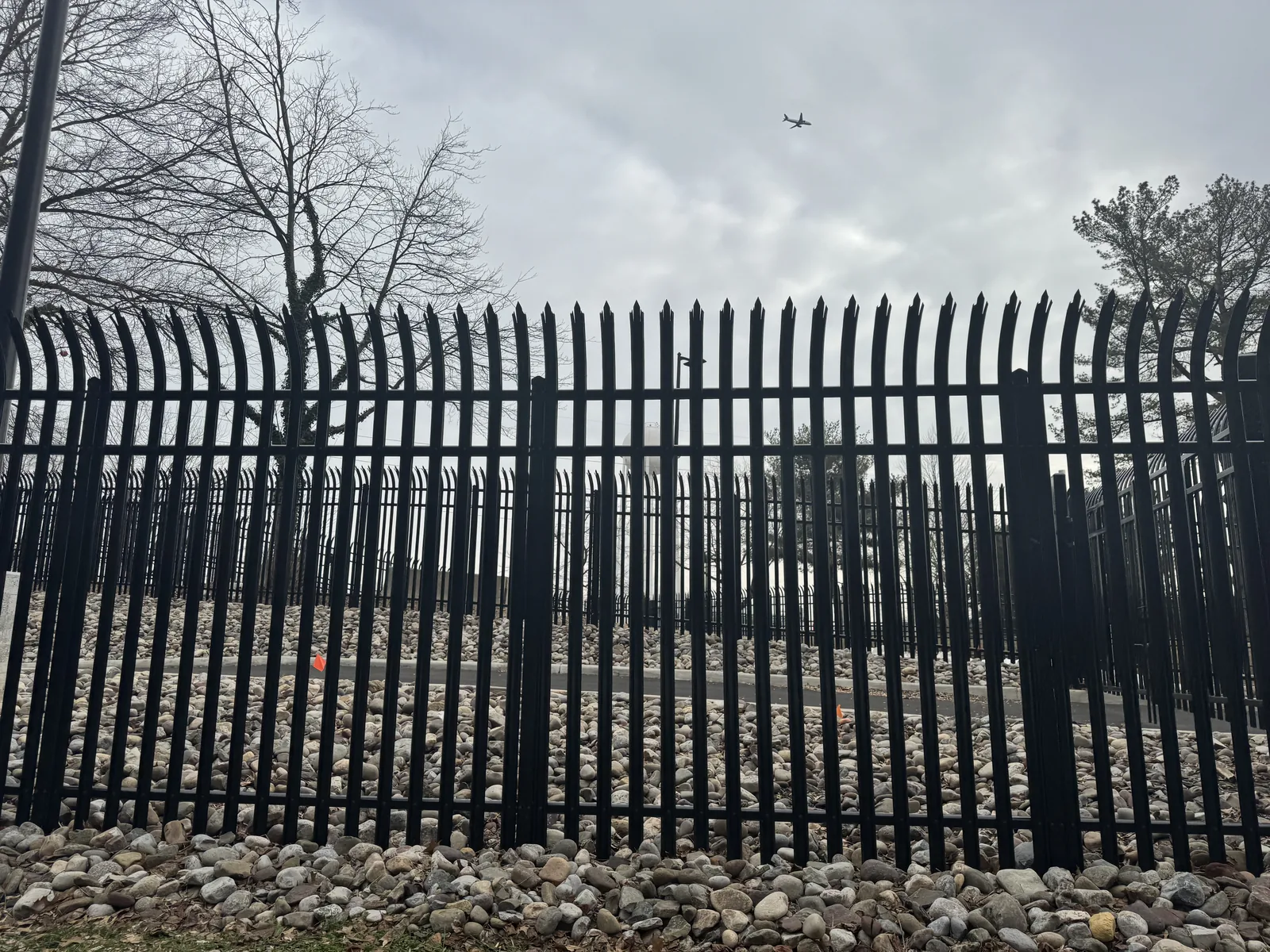
At the top, and for the same reason: the fence is a coating over metal, and there is simply little on it to rot, crack, or feed on. Plan on decades of service — 25 years or more is a normal planning figure for both, with our steel and metal fence installations on commercial lines often outlasting the buildings they protect. Both shake off the damp springs that punish unfinished metals, and neither feeds the insects that tunnel into wood. Aluminum trades a little strength for even less upkeep; steel trades a little weight for more resistance to impact and leaning. If your threat model is weather and time, this is the family that answers it.
What about vinyl?
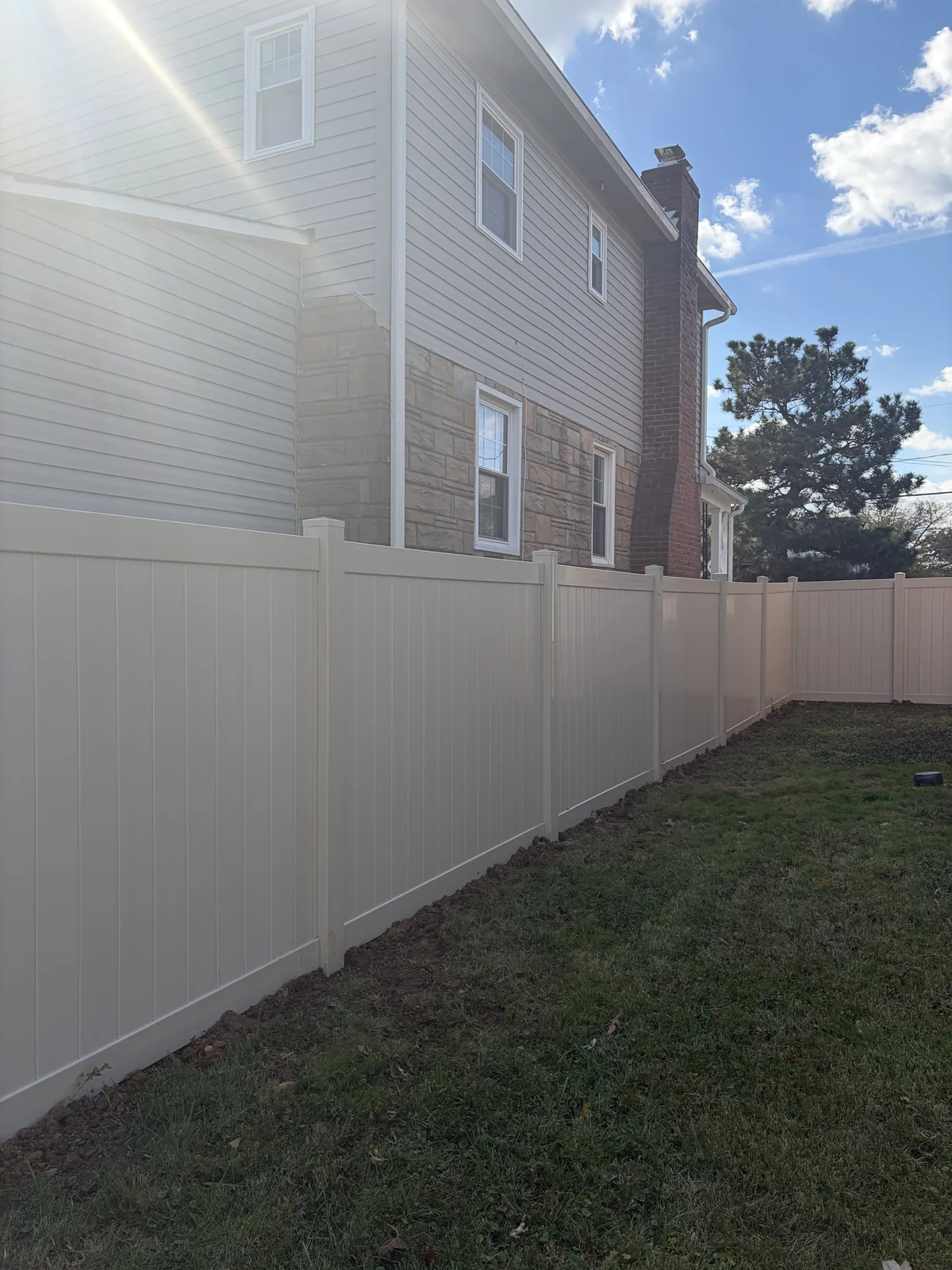
Vinyl earns its reputation with the same trick from a different direction: no food for insects, no grain for water, no finish to repaint. Planned well — proper post spacing, privacy panels rated for wind load — it commonly serves two to three decades on a wash-only maintenance schedule. Spec'd for the exposure, the same panel line serves a shaded townhouse yard and an open corner lot equally. Its weak spot is sharp impact: a backed-into rail cracks rather than bends, though the repair is a section swap rather than a rebuild.
Is chain link the sleeper of the group?
Genuinely, yes. Galvanized steel fabric on steel posts is one of the most durable things we put in the ground, often serving multiple decades with nothing but an occasional check on tension and hardware. The zinc coating that protects the fabric is the same idea that protects bridge cable — proven on a far longer clock than any fence warranty. What chain link gives up is presence, not longevity, which is exactly why it dominates ball fields, utilities, and backyards where the job matters more than the view. Per year of service, it is the quietest bargain in fencing.
Where do composite and wood fall?
Composite fences, built from wood fiber and plastic, plan in the mid-twenties of years with no staining cycle — their failure mode is fastener and hardware aging rather than the boards themselves. Wood is the honest short-timer: 15 to 20 years is a fair planning range for pressure-treated pine, and 20 to 25 for cedar kept on a staining cycle. Wood trades lifespan for the lowest entry cost and a warmth no manufactured panel copies, and for many owners that trade is worth making twice.
How much does installation change durability?
More than the material label does. The same aluminum panel serves twenty-five years on a deep footing and disappoints in five on a shallow one, because every material's lifespan runs through its posts. Clay soil that holds water, freeze-thaw that heaves shallow concrete, and hardware chosen to a price instead of a spec shorten even the strongest family of fence. When we quote durability ranges on an estimate, they assume the install we would build: posts below frost, footings sized to the load, coated hardware throughout.
Which material is the most durable?
Match the material to the threat. Against neglect and weather, coated steel and aluminum win. Against impact and leans, steel and chain link. Against sun and rot without a maintenance habit, vinyl and composite. Our fence material comparison lines up cost, upkeep, and privacy beside these lifespan figures so the whole decision sits on one page.
Call (888) 820-6099 or send an estimate request, and we will match the material to what your fence has to survive — on your lot, not in a brochure.