
Vinyl is the material we install most, and it is also the material we talk people out of most often. Both facts are true because the honest answer depends on your yard. Before you commit, run this self-quiz — the same questions we ask every homeowner considering vinyl fencing.
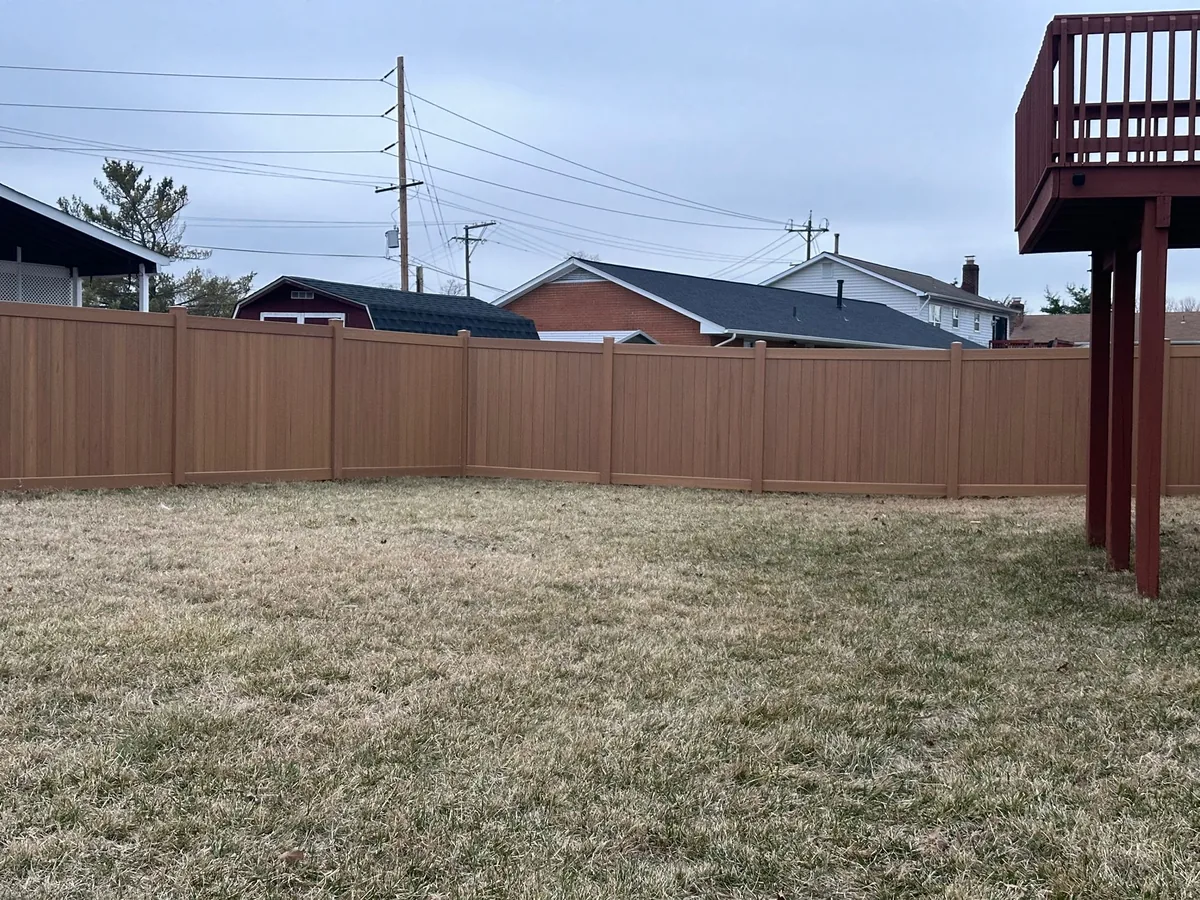
Question zero: what is the fence actually for?
Vinyl earns its keep on privacy, pool barriers, and pet containment — jobs where a solid, low-maintenance panel is the point. If the goal is a decorative front boundary or a garden frame, aluminum or wood picket usually serves the purpose at a friendlier cost. Name the job before the material, because the rest of the quiz only matters if vinyl suits the assignment. A fence built for the wrong job disappoints no matter how good the product is.
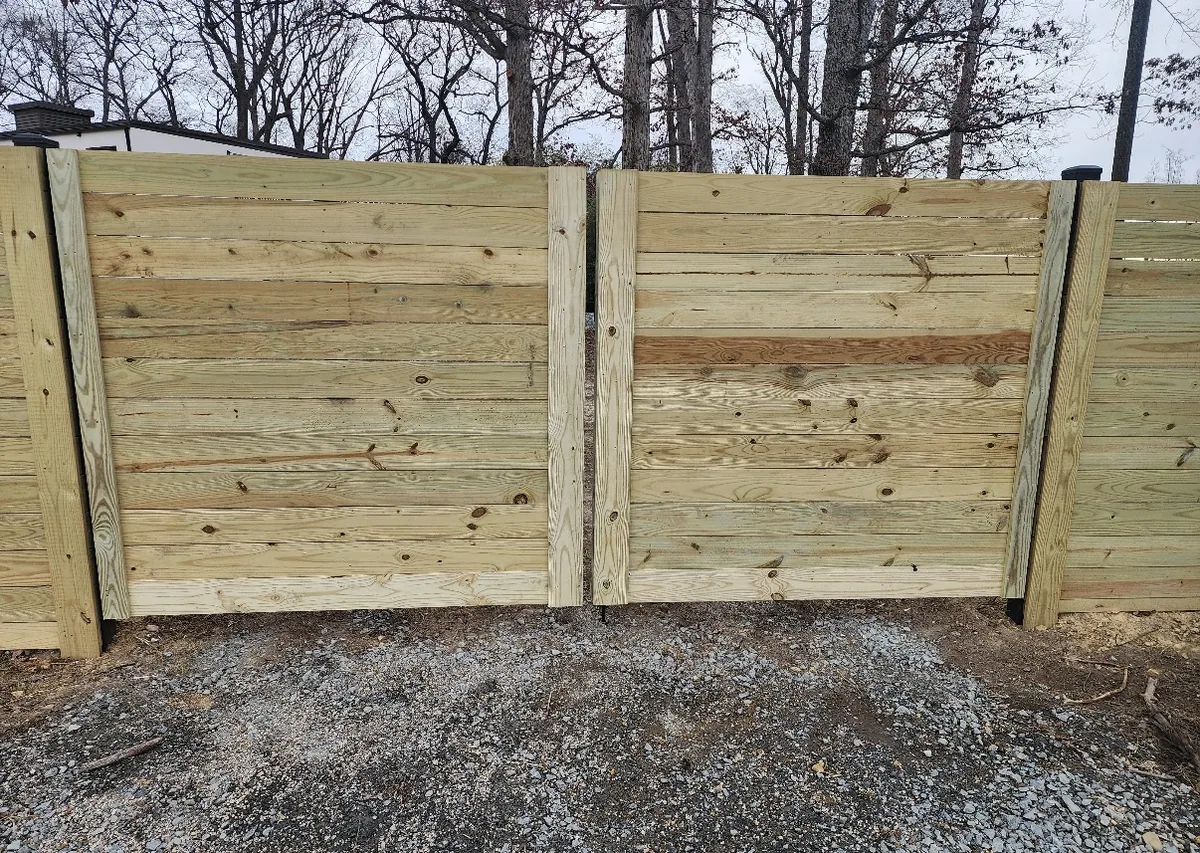
Question one: what does your HOA allow?
Check the covenants before the color swatches. Many Northern Virginia communities approve specific profiles, heights, and colors — often white privacy, sometimes tan or gray tones — and a few restrict front-yard fencing entirely. Architectural review can take weeks, so file early. The good news: vinyl is the material HOA boards approve most readily, because it looks uniform for decades and never asks the committee for a repaint. Bring the approved profile list to your estimate; we build to it exactly.
Question two: how hard does the sun hit the line?
A south- and west-facing run in an open Reston or Ashburn yard takes full sun all day, every day. Modern vinyl is engineered with UV inhibitors, and quality product holds its color for decades — but no plastic stays factory-new forever, and a dark mocha panel in full sun ages differently than a white one in afternoon shade. If your line bakes, lean toward lighter tones and ask which manufacturer lines carry the strongest finish warranties. If your yard is tree-shaded, sun is a non-issue and you can pick any tone you like.
Question three: what will your dogs do to it?
Vinyl handles most dogs well: no splinters, no stain to re-apply after the hundredth patrol, and a surface that hoses clean. Two exceptions deserve honesty. A chronic jumper needs six feet plus a look at whatever the dog could climb — vinyl's smooth surface is actually an anti-climb feature. And a chronic chewer can gnaw a picket corner; that is a training problem no fence fully solves. For big, strong dogs we also watch the gate: a reinforced frame and a latch the dog cannot nose open are part of the pet plan, not an upgrade.
What about wind on an exposed lot?
Solid vinyl panels catch breeze the way any privacy fence does, and a wide-open hilltop lot in western Loudoun loads them harder than a fenced-in townhouse court. The answers are design answers: deeper posts, closer post spacing on exposed runs, and shadowbox-style profiles or gated breaks where the wind funnels. None of it is complicated; all of it belongs in the plan before the posts are ordered. Tell us where the storms come from and we will show you what the line needs.
Question four: does the budget work?
Vinyl costs more on day one than a comparable wood fence and asks far less of you afterward — no staining cycle, no board replacement after a wet spring, a rinse with the garden hose each season. If your horizon in the home is long, the math usually favors vinyl. If you may move in two years, wood's lower up-front cost can make more sense. Our vinyl vs. wood guide lays the two side by side. And if financing matters, ask about the options when we visit — with no commitments that day.
So is vinyl right for your yard?
Score yourself: the fence is for privacy, pets, or a pool; HOA friendly; shaded or moderate sun; dogs that patrol but do not destroy; and a multi-year horizon. That many yeses and vinyl will serve you for decades with almost no weekends lost to it. One or two nos, and we will show you wood or composite alternatives on the same walkthrough. See the profiles and colors on our vinyl fence installation page, then get the free on-site estimate where we answer every question for your actual yard. Call (888) 820-6099 to start.