
By Ray, owner — VA Class A contractor
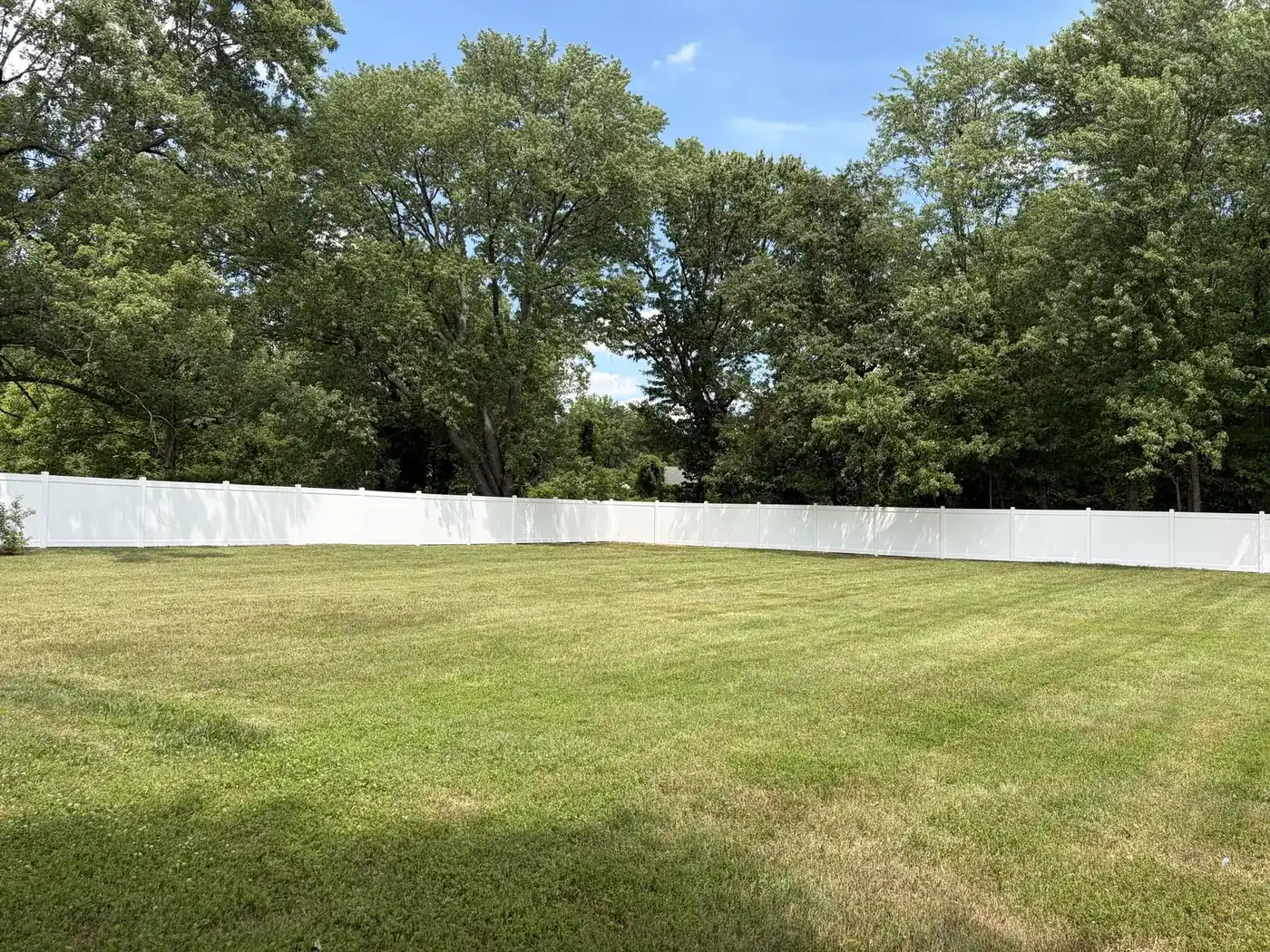
Salespeople sell vinyl as "maintenance-free," and we do not, because no fence is. What vinyl is, honestly, is low-maintenance — a short list of habits that keeps a panel line bright and a warranty intact. Here is the entire list. It takes about an hour a year.
How often should you wash a vinyl fence?
Once or twice a year on most lots, and more often where shade and moisture team up. Pollen coats every surface in April, and on fences that sit in shade, that pollen feeds the mildew films you see by August as gray-green freckles. A fence in full sun can stretch to once a year; shade and sprinklers shorten the interval. A hose, a bucket of mild soapy water, and a soft brush on a handle handle all of it. Work top to bottom, rinse as you go, and stand back — the difference is immediate.
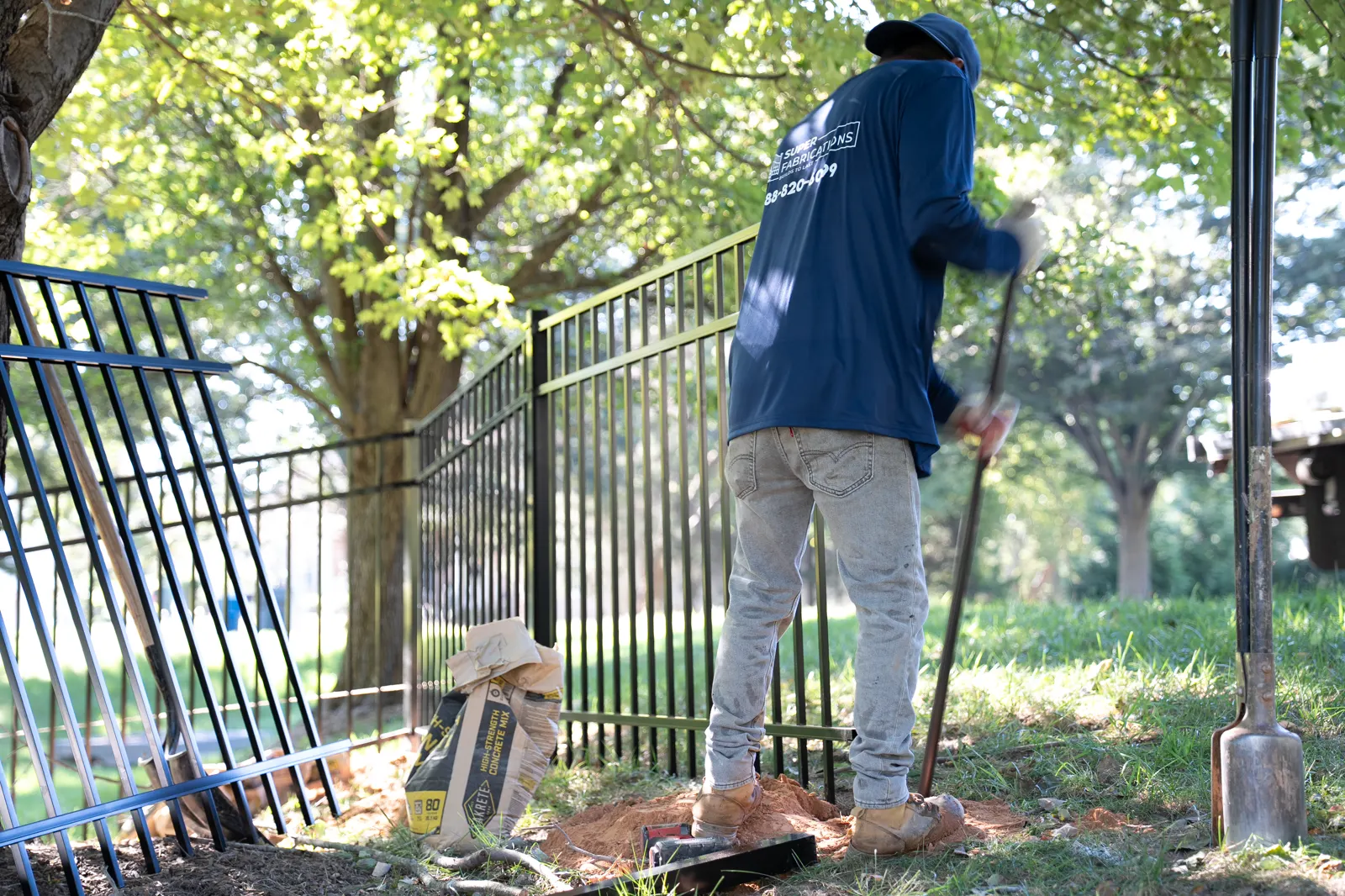
What does the wash actually involve?
Nothing dramatic. Garden-hose pressure is enough; there is no need to run a pressure washer at the fence, and doing so up close can force water past panel joints. Mild dish soap or a proper vinyl cleaner, a soft bristle brush, and a rinse. Skip abrasive pads and harsh solvents — vinyl's finish runs through the material, but the surface still scratches, and a scratch is where grime holds. For stubborn spots, let soapy water sit for a few minutes before brushing.
What hardware needs a check?
The moving parts: hinges, latches, and the gate itself. Each spring, open every gate through its full swing and watch how the latch meets the strike — vinyl gates stay square better than wood, but ground movement and heavy seasons still nudge things. Tighten what has loosened, oil the latch, and glance at the post caps, which pop loose more often than anything else on the fence. A squeaky hinge is the whole fence's way of asking for ten seconds of oil. Five minutes a spring is the complete hardware program.
What about the ground along the line?
The fence's worst enemies live at its base, not on it. Mulch piled against posts holds moisture where the post meets grade; weed-trimmer lines chew a bright scar into the post at exactly that height; sprinklers that soak one panel daily grow the mildew film faster than shade alone. Pull mulch back a few inches, swap to a blade or edge by hand along the line, and aim the heads away. None of it costs money, and together it prevents most of what we get repair calls for.
What actually voids a vinyl fence warranty?
The exclusions follow the same themes across makers: impact damage, unauthorized modifications, painting or coating the material, and cleaning with harsh chemicals that attack it. The care sheet that ships with the fence is one page — read it once and keep it with your purchase paperwork. When we install, you get the manufacturer documents with the warranty terms stated plainly, and our vinyl fence installation team answers care questions for as long as you own the fence.
Does the fence need a check after storms?
One slow walk, and only after the ones that matter. High winds and falling limbs are the two events that find a vinyl fence's weak panel, and damage caught in the week after a storm is a section fix, not a season of sag. Look for cracked rails, a post leaning where a root heaved, and gates that stopped meeting their strikes. Photograph anything you find; it makes the repair call faster and the insurance conversation simpler if one is ever needed.
When is it worth calling for a repair?
When a panel cracks, when a gate stops meeting its strike, or when a post leans after a storm or a root heave. Those are section-level fixes — a cracked rail swaps out in one visit, and our fence repair crew carries the common profiles so most calls close same-day. The mistake to avoid is ignoring a leaning post: vinyl panels transfer load to their neighbors, and a post that moves takes alignment with it over a whole season.
Questions about caring for a fence we built — or one somebody else did? Give us a ring at (888) 820-6099 or send an estimate request. Honest answers either way.