
By Ray, owner — VA Class A contractor
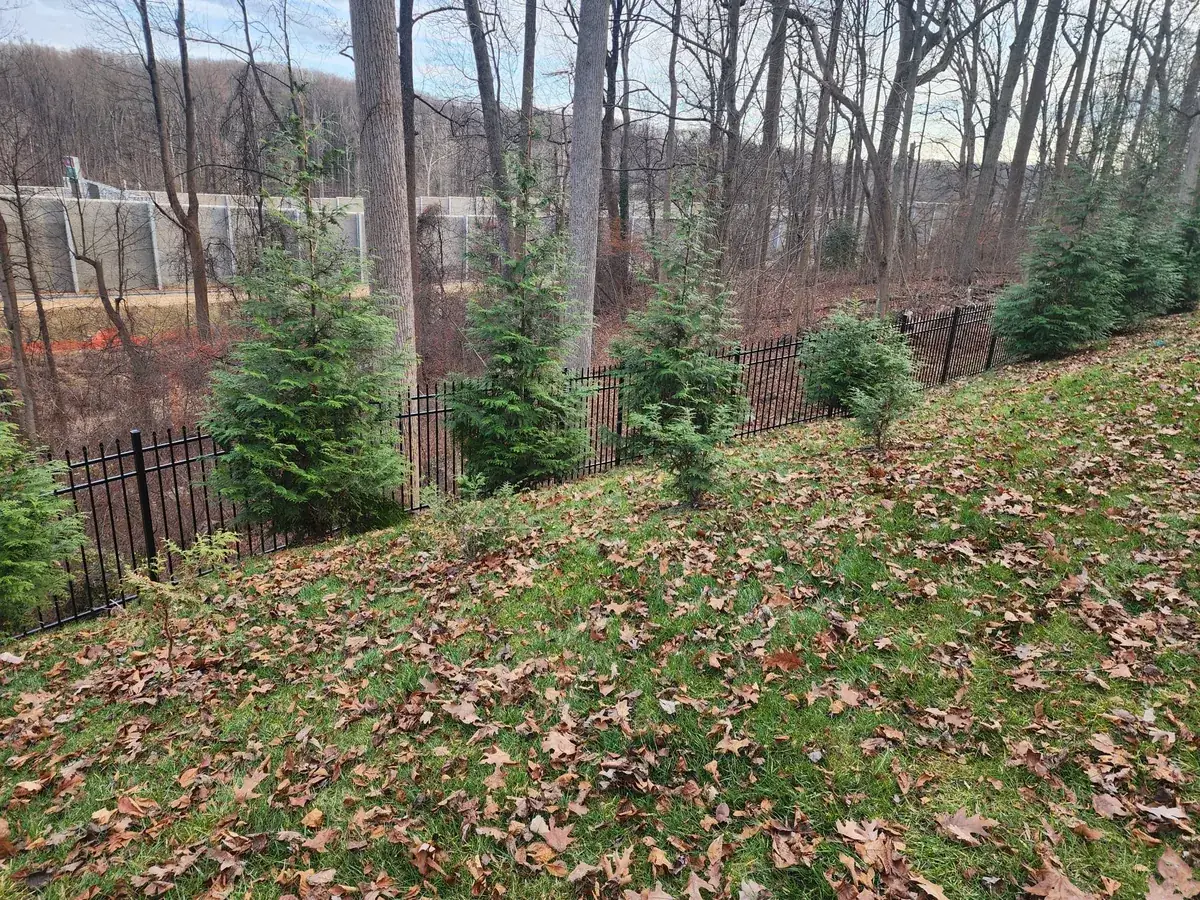
Aluminum is the fence we recommend most often and explain most carefully, because "aluminum fence" is really a family of decisions — height, style, spacing, rating, and finish — that people sometimes leave to chance. Decide them in order and the right fence for your home picks itself. Here is the order we use.
How tall should your aluminum fence be?
Start from the job the fence does. Four feet suits front yards and walks, where the goal is a defined line that keeps sightlines open. Five feet is the working height for most backyards — enough to make a boundary felt without closing the yard off, and the difference between the two heights is a design decision as much as a measurement: four feet keeps conversations with passersby possible, five feet politely ends them. Pool barriers follow code rather than taste: barrier height, self-closing gates, and self-latching hardware set by the rules your jurisdiction enforces, which is a conversation our aluminum fence installation team handles with every pool project.
Which style matches your home?
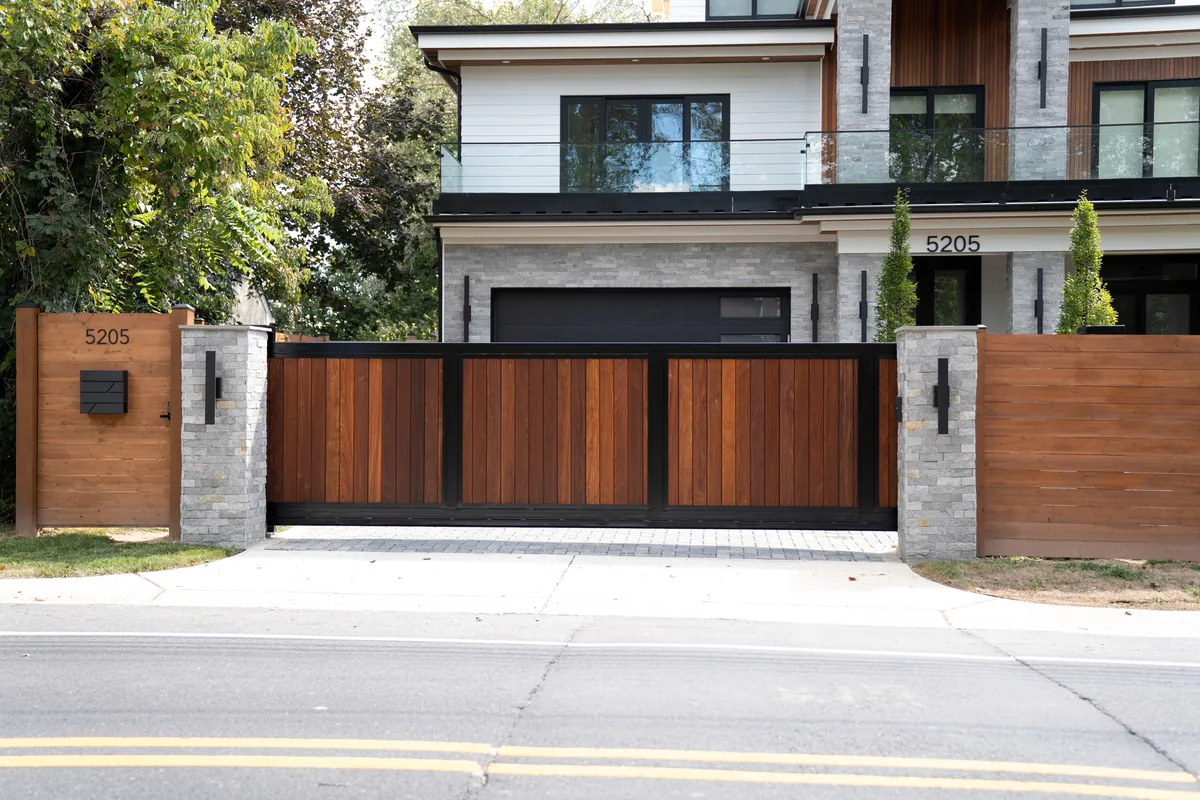
Two families cover most homes. Straight-top designs — flat rails, squared pickets — read clean and suit modern homes, brick fronts, and anywhere the architecture favors restraint. Colonial and decorative grades add finials, staggered spear tops, and scrolled gates, and they suit traditional homes, formal fronts, and entries that want ceremony. Between the two, picket spacing and rail profiles vary more than most catalogs show, which is why we bring samples to the estimate rather than brochures. The honest test: stand at the curb and imagine both. The one that quiets down against your house, rather than competing with it, is yours.
When do puppy pickets matter?
When the smallest member of the household is the escape risk. Puppy picket adds a second rail of tightly spaced pickets at the bottom of the fence, closing the gaps a small dog treats as a door. Full-height tight spacing achieves the same thing at a steeper cost. Neither is an upgrade for its own sake — if your pet slips through standard spacing now, it will again. Sizing is the other half of the pet question: puppy pickets close gaps at the bottom, a jumper needs height, and a climber needs a surface without footholds, which smooth aluminum pickets provide naturally.
Does it have to be black?
Black dominates for honest reasons: it recedes against greenery, reads crisp against brick, and hides the dust of a Northern Virginia summer. But it is not the only answer — darker bronzes warm up against stone and tan siding, and the finish is a baked-on coating rather than paint, so the color you choose is the color you keep. Samples in real light settle the question in one visit; photographs never do. Choose the shade that disappears into your landscape, because the fence should frame the yard, not headline it.
What makes an aluminum fence work around a pool?
Construction and hardware together. Pool-rated builds pair barrier height with self-closing, self-latching gate hardware and picket spacing sized so small feet find no ladder. The coating shrugs off splash and pool chemicals in a way painted steel never manages. Confirm gate direction and latch placement against your county's checklist — details we verify before ordering. Virginia's baseline barrier rules and each county's inspection calendar shape the rest, and our pool fence installation page covers how we plan against the inspection date, not just the code.
How do gates fit the aluminum plan?
As the part of the plan worth over-thinking. Walk gates follow the fence's style — straight-top for clean lines, finial-topped where the entry wants ceremony — and gate hardware should be aluminum or coated to match, never a mix that invites wear at the hinges. Double gates cover mower and equipment paths, sized by the widest machine that will pass. Where a driveway crosses the line, an operator turns the same gate into the hands-free entry the household actually uses, and solar operators suit this area more than people expect: a sunny run needs no trench to the house.
Aluminum rewards a plan, and the plan is free. Call (888) 820-6099 or send an estimate request, and we will walk the line and settle all five decisions with you.