
"Affordable" gets a bad name in commercial fencing because it usually means the wrong parts got cheap. It does not have to. A fence budget has two halves — the parts that take abuse and the parts that fill the field — and quality means spending on the first half without apology and saving on the second without risk.
Where is it worth spending more?
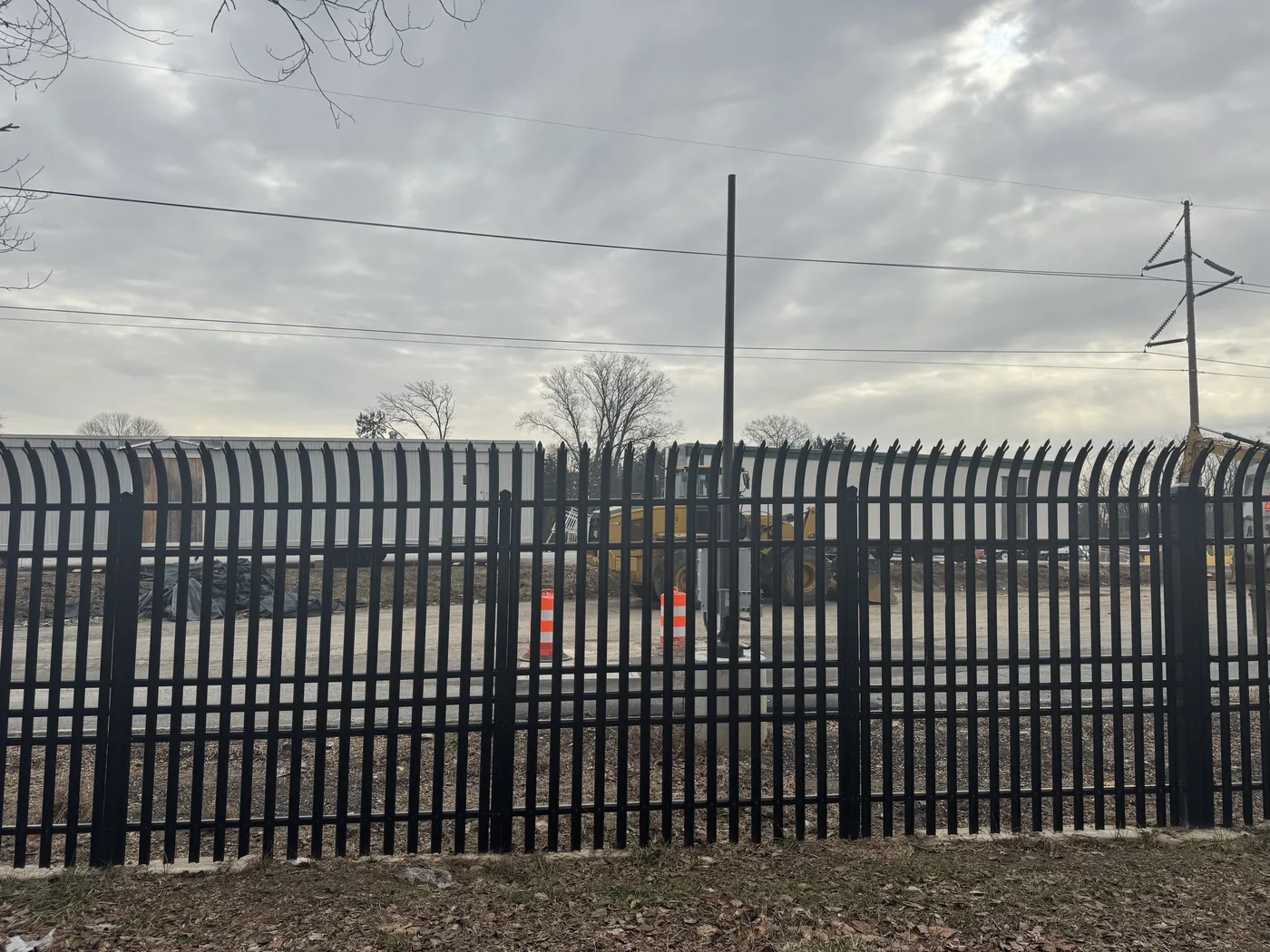
Gates first, always. The gate is the only part of the fence that moves, and it takes every bit of daily abuse the property delivers: wind, vehicles, hands, and hours of cycling. A heavy-duty frame, real hinges, and a latch rated for the traffic will outlast three cheap replacements and never leave a delivery sitting at the curb. Posts come second: depth, diameter, and footing decide whether the line survives our freeze-thaw winters and the occasional bumper strike. Hardware third — hinges, latches, drop rods, and operator components wear first and cost little to upgrade on day one.
Where does standard mesh do the job?
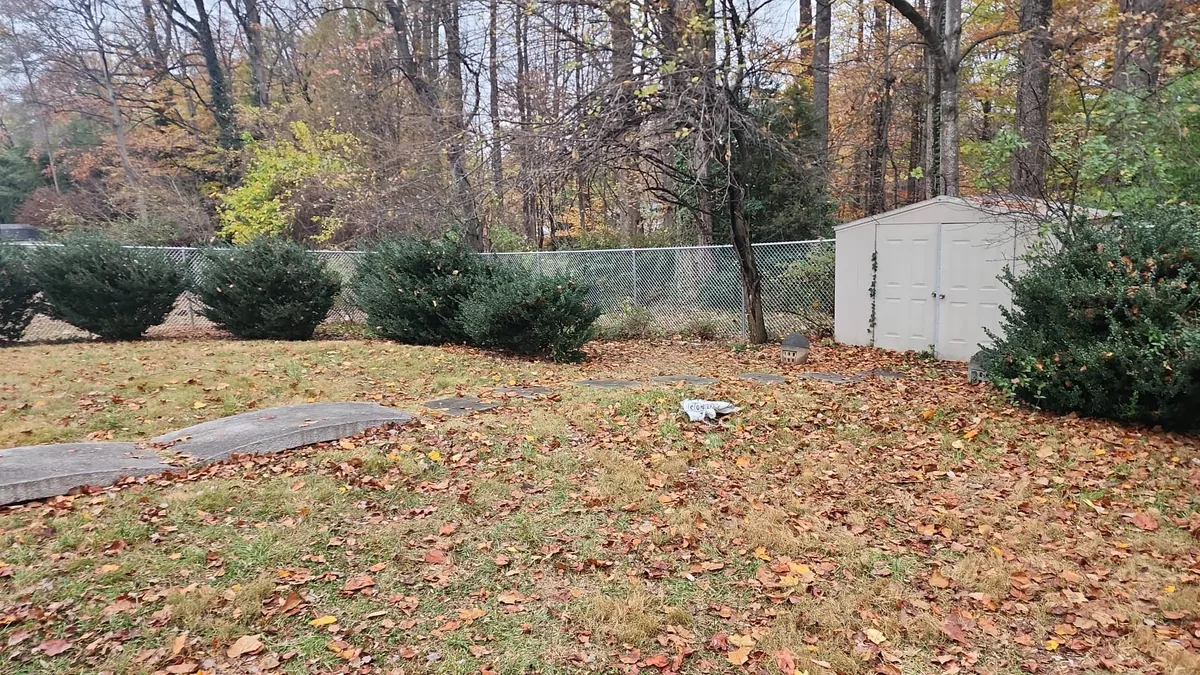
The field fabric between the posts is where budgets breathe. For storage yards, equipment compounds, and interior divisions, galvanized chain link mesh does the job for decades — it is the material schools, utilities, and municipalities standardize on for exactly this reason. Specifying a heavier gauge or a privacy slat insert where cameras or the street demand it, and standard galvanized everywhere the job is simply keeping people and deer out, can trim a perimeter budget meaningfully without weakening a single gate. The savings there are real and risk-free as long as the gates and posts are built heavy. Deer pressure alone is a genuine budget line on Loudoun and Fauquier commercial properties. See the options on our chain link fence installation page.
What do different site types actually need?
Match the package to the property instead of buying one fence for every situation. A storage or equipment yard wants maximum height and anti-climb profiles where it faces a street, and honest galvanized mesh everywhere else. Retail frontage wants the ornamental steel treatment where customers look and the commodity treatment behind the building. Interior divisions and dog runs rarely justify anything beyond standard mesh on light posts. The affordable plan is rarely one specification — it is two or three, each placed where its money is actually working.
How do you think about lifecycle cost?
The sticker price is one line in a longer story. A fence that survives its first decade without panel replacements, gate repairs, and storm call-outs is usually the affordable one, whatever the bid said. Ask what each bidder's package looks like in year ten: which parts wear, which parts they stock, and what a service call covers. Galvanized steel and quality hardware age into maintenance-light; thin-gauge everything ages into a replacement project. A fence is infrastructure, and infrastructure is judged across its whole service life, not its invoice. Buy the version you will not be re-buying.
How do you keep the estimate honest?
Ask every bidder to price the same scope: same footage, same gate count and sizes, same hardware grade, same post specification. Then the comparison means something. The low bid that quietly drops the gate frame gauge or halves the post spec is not affordable — it is deferred spending. A written scope also protects the schedule; when materials are named, substitutions need your sign-off. Our commercial fencing estimates itemize materials, gates, and labor so the line where each dollar lands stays visible.
What does a fair chain-link package include?
For most commercial perimeters: line posts and terminal posts at correct spacing, top rail, gauge-appropriate fabric, tension wire, properly sized gates with real hardware, and haul-away of whatever came down. Worth pricing as options: vinyl coating where appearance matters at the street, barbed arms where zoning and the threat picture justify them, and automated operators where traffic justifies the control. Anything missing from a bid is a question, not a savings.
What is the affordable test?
Simple: will this fence still be straight, latched, and maintenance-light in ten years at the lowest defensible price? That is what without-compromising-quality means in practice — spend where failure hurts, save where a commodity does the work. The site walk is free, and the written estimate shows exactly where we spent and where we saved. Call (888) 820-6099 to get it on your calendar.