
Homeowners ask this question from two directions. Some want a return number to take to the bank. Others simply want to know whether the fence is worth building at all. Here is the honest version we give on estimates across Fairfax County, Arlington, and Montgomery County.
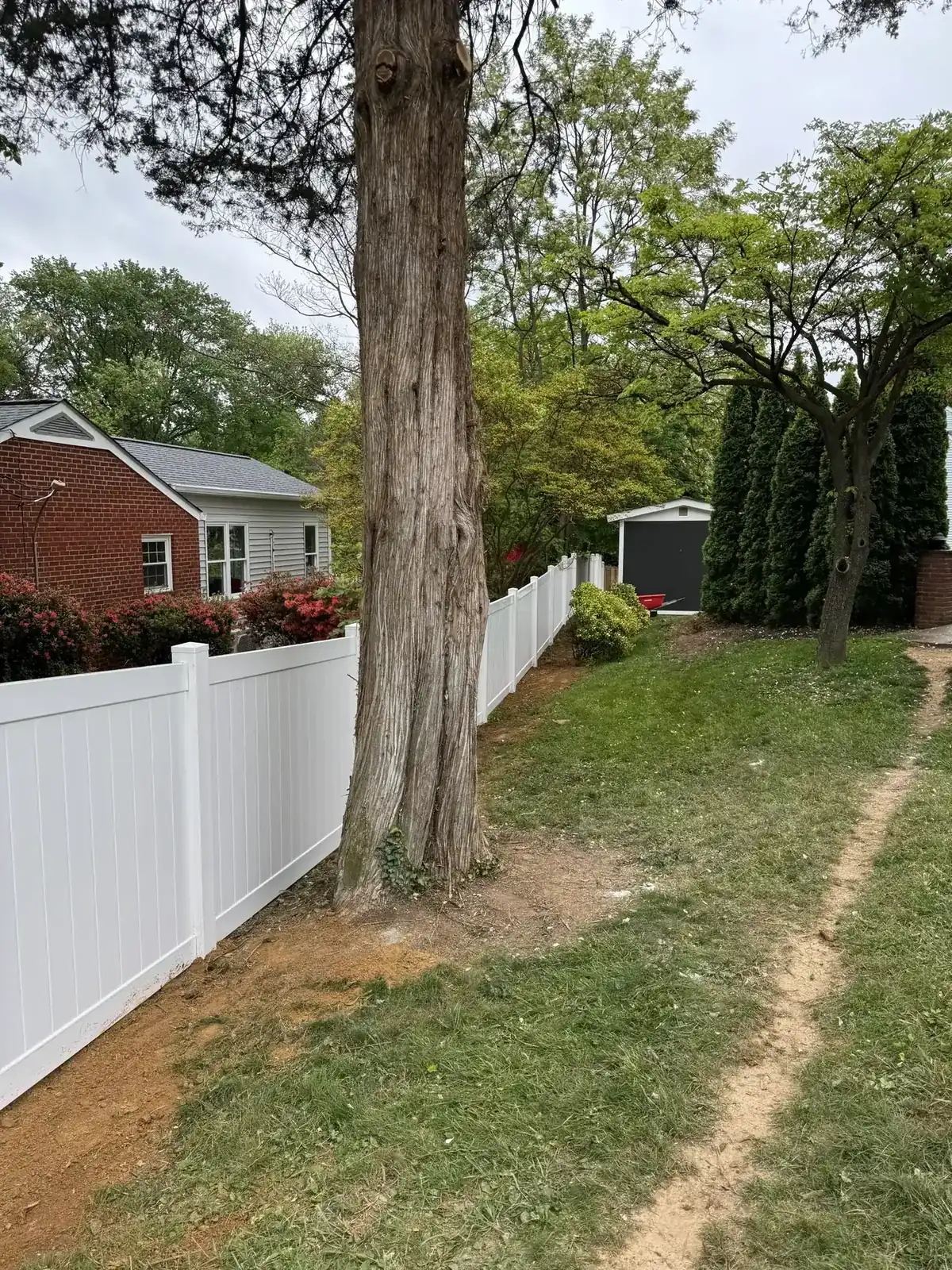
A vinyl fence rarely appears on an appraisal as a line item worth its full cost. Appraisers fold it into site improvements, and the credit is modest. What a fence does more reliably is help a home sell. A yard that is already enclosed, private, and safe for dogs removes an objection before a buyer ever raises it.
So we frame the return as planning logic rather than a percentage. You are buying daily use today and a smoother sale later. Both are real. Neither shows up as a clean figure on a closing statement.
Where does a fence help an appraisal most?
Three situations move the needle.
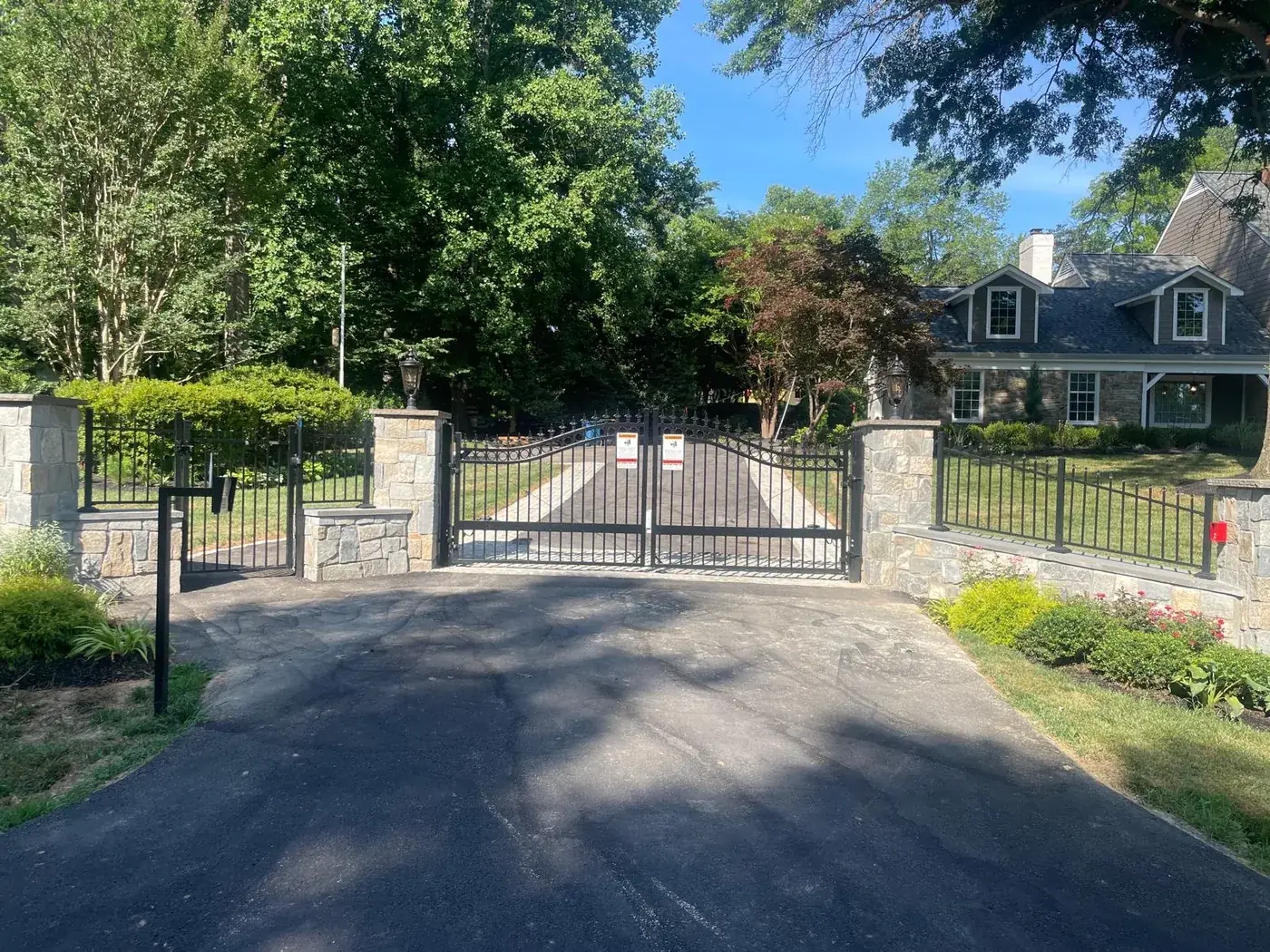
Pools come first. Virginia requires a barrier at least 48 inches tall around a residential pool, with gates that are self-closing and self-latching. A pool without code-compliant fencing is a flag for the appraiser and the home inspector alike. A vinyl privacy fence that satisfies the barrier requirement protects the sale you already have moving.
Pets come second. Northern Virginia runs on townhouse communities and quarter-acre lots where a dog needs a yard. Buyers with pets filter listings by it. An enclosed yard widens your buyer pool in ways no appraisal line captures.
HOA compliance comes third. Planned communities across Loudoun County and Prince William County expect perimeter fencing to match an approved profile and color. A crisp vinyl privacy fence that matches the community standard reads as maintenance the buyer never has to think about. Our vinyl fence installation follows the profiles HOA boards approve most readily.
How do buyers and appraisers see vinyl specifically?
Vinyl reads as finished. The boards are uniform, the color does not peel, and nothing on the fence asks the next owner for weekend work. A tired wood fence reads as a project. Two yards of the same size can leave very different impressions for that reason alone: one looks done, the other looks like homework.
Vinyl also carries a palette beyond white. Tan and cypress tones warm up a colonial, mocha and weathered gray suit newer facades, and none of it ever needs a repaint cycle. Pick a color the neighborhood already accepts and the fence reads as original to the property, which is exactly what a future buyer wants to see.
If you are weighing the two materials, our vinyl vs. wood comparison puts cost, upkeep, and lifespan side by side. The short version: wood costs less on day one and wants staining on a cycle; vinyl costs more up front and mostly wants a garden hose.
When is a fence the wrong value play?
A fence does not rescue a home priced well above its neighbors, and it does not substitute for the major repairs buyers price first. If the deck is rotten and the fence is sound, spend on the deck. Be equally honest about condition. A leaning, mismatched, half-repaired fence can work against you. If the current fence has reached that state, replacing it as part of the sale plan usually returns more than listing with it standing.
Timing matters too. A fence installed the week before photos looks like staging. A fence that has weathered a season or two looks like part of the property. Either helps; the second helps more.
How do you plan the project?
Start with the estimate. It is free, and it happens on your property, because no one can price a yard from a photograph. We walk the line, check the grade, and talk through what the fence must do: pool barrier, dog run, privacy from a cut-through, HOA profile. Then we handle the zoning check, call Miss Utility before any digging, and build to the lines we staked together.
If resale is on your calendar within a year or two, say so. That changes choices like height, color, and gate placement. A 6-foot white vinyl privacy fence in Fairfax County serves a family for decades and photographs well in a listing. That combination is the value case, and it does not need an invented percentage behind it. Call (888) 820-6099 or request your free estimate, and we will walk the yard with you.