
Ask what commercial security fencing does and the first answer is obvious: it keeps people out. The complete answer has three parts — deterrence, control, and liability — plus a fourth most property managers discover the hard way: insurance conversations go differently when the site is fenced. Here is how each part works.
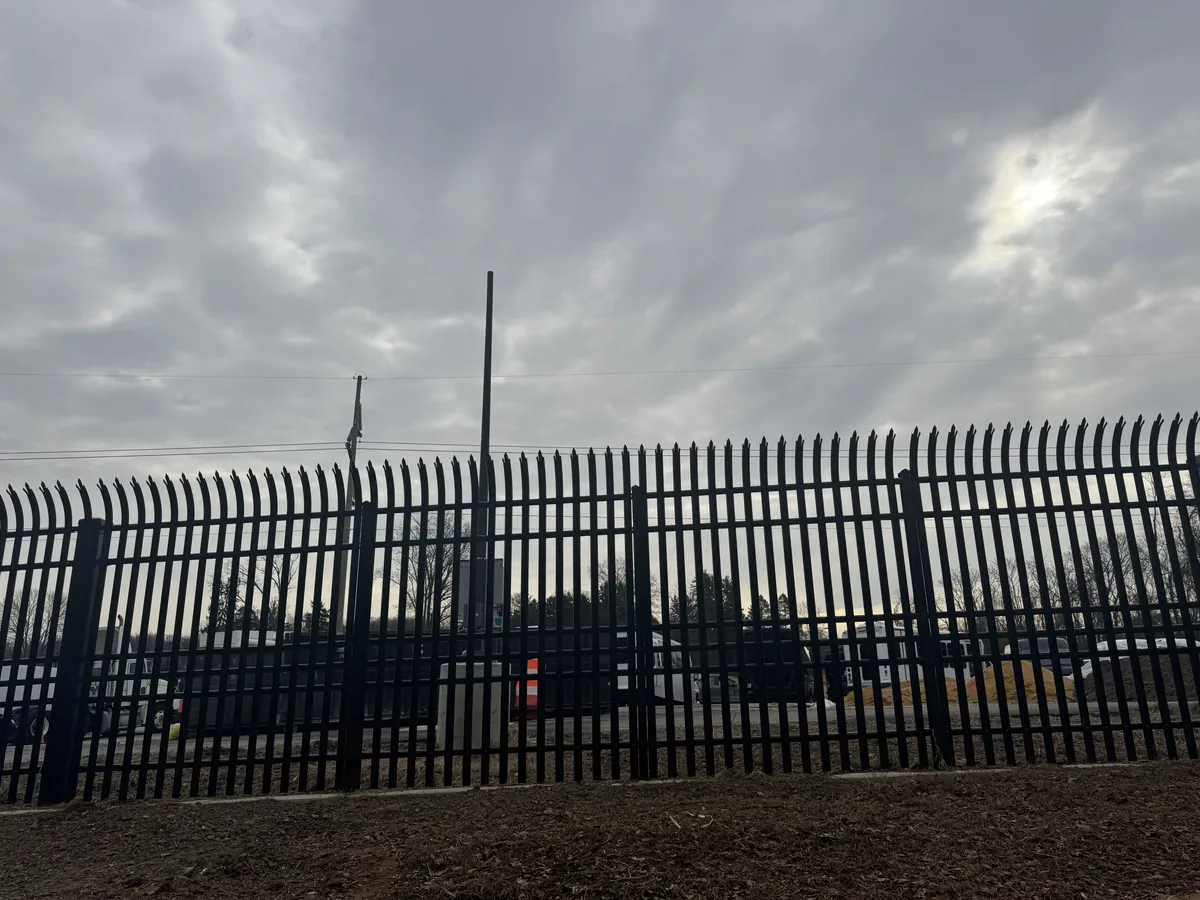
How does a fence deter trespassers in the first place?
Deterrence starts with visibility. A clean, tall, well-maintained line tells a passerby that someone manages this property — cameras, gates, and attention are likely inside. Opportunistic trouble looks for neglect; a straight steel perimeter denies the first impression. Height and anti-climb profiles do the physical part, but the psychological part matters first: most trouble takes the easiest target on the block, and fencing moves your property off that list before anything is ever attempted.
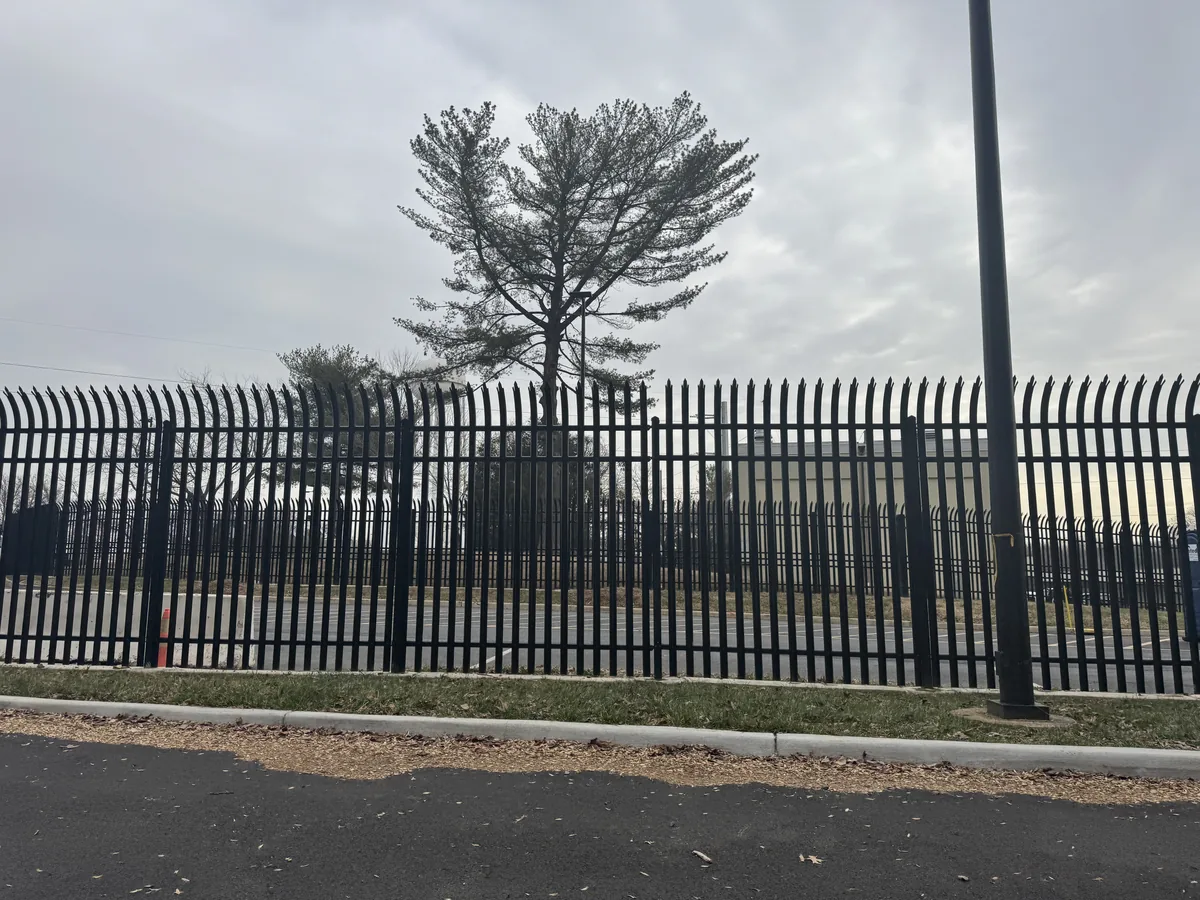
Condition is part of the deterrent, which surprises owners. A bent panel left for a season, a propped gate, a sagging leaf — each tells a watcher that standards here are loose. We tell commercial clients to treat the fence like the sign out front: straight, clean, and repaired the week something happens to it. The line that looks managed gets managed around.
How does fencing control who comes and goes?
A perimeter with one controlled gate turns an open site into a managed one. Deliveries use the vehicle gate. Visitors use the entrance you designate. After hours, the operator relocks behind the last vehicle. Every one of those movements becomes a decision you made in advance rather than an absence you discover later. For sites that handle materials, fleets, or equipment, that single change — one gate, one record — does more than any camera aimed at an open yard ever will.
How does fencing support daily operations?
The same gate that keeps strangers out also organizes the people who belong. Crew parking lands where the plan says. Deliveries queue at the gate instead of wandering the yard. Contractors and visitors sign in at a point you chose. Over a year, that order saves hours of chasing and a fair share of damaged landscaping — and when an incident does occur, the gate log gives you a starting point no open lot can offer. The effect compounds quietly; most managers stop noticing the gate entirely, which is what well-placed infrastructure should feel like.
Where does liability come into the conversation?
An unfenced property invites the scenarios owners never planned for: shortcuts across equipment yards, after-dark gatherings on loading docks, children treating a stack of pallets as playground equipment. A maintained fence with controlled gates establishes that access is restricted and that the owner took reasonable steps to say so. We are fence builders, not attorneys — but the physical boundary is the step every conversation about premises responsibility starts from. Keep the line maintained, too; a sagging, open, half-repaired fence tells a different story than the one you intend. Our repair crew closes that gap fast when a storm or a vehicle finds your line.
What should you ask your insurance agent?
Ask before you build, not after. Carriers look at physical security when they evaluate a property, and several coverage questions — theft of outdoor equipment, vandalism, premises exposure — have answers that change once a perimeter goes in. Your agent can tell you which features matter for your policy; we can tell you which features we build. Between the two conversations, you get a fence specified for your site instead of a generic package.
When do storage cages earn their footprint?
A perimeter protects the yard; a cage protects the high-value core of it. Outdoor storage cages — heavy-gauge wire enclosures with locked gates — put a second wall around the tools, materials, HVAC units, and pallet stock that thieves want and insurance schedules list. They cost a fraction of an indoor bay, and they work around the clock without a person on-site. Put the cage inside the perimeter where the cameras already point, and the layering does the deterrence twice.
See how the layers come together on our commercial fencing page, or on metal and steel security fencing for the profiles we build most. The site walk is free: we measure, mark the gates, and price the plan in writing. Call (888) 820-6099.