
By Ray, owner — VA Class A contractor
Most homeowners meet a fencing contractor twice and hire the middle of the job unseen. Here is what actually happens between the handshake and the walkthrough — the sequence we run on every fence in Virginia and Maryland, and the parts that change when you cross a county line.
What happens at the estimate?
The estimate is free, and it happens standing on your property. We walk the line with you, measure footage with a wheel on the ground, note slopes and gate swings, and talk materials where they will actually stand. A 6-foot cedar privacy run reads differently beside a deck than along an open lawn, and the estimate is the moment to see that. You leave with a written scope and a number built from measurements, not assumptions.
Who handles the permit?
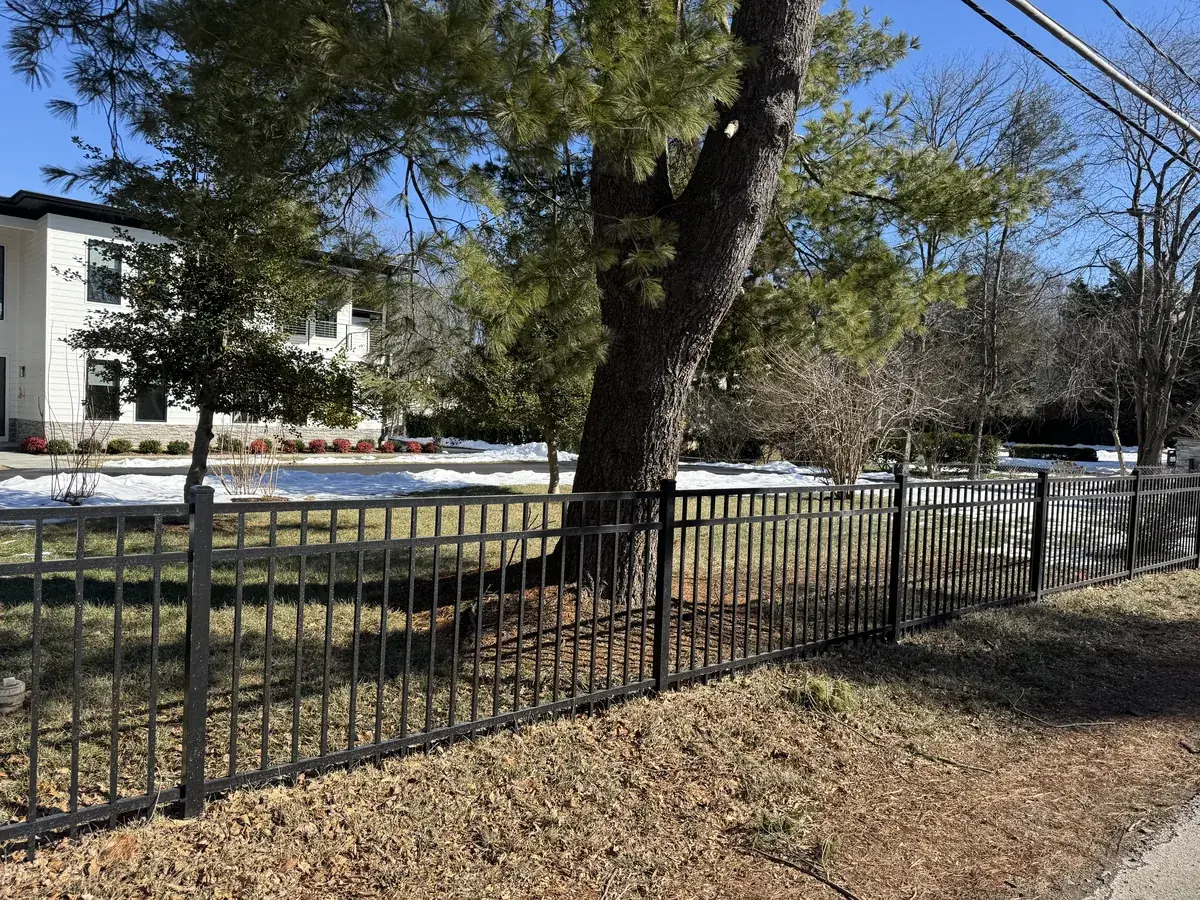
We do, wherever one applies. That sentence hides more variation than it should: Fairfax County generally requires no building permit for a residential fence, Montgomery County requires one for every fence, and towns like Vienna write their own zoning rules on top of both. The contractor's real job is knowing which office governs your address and putting the request in front of it early, because permit review — not construction — is usually the longest step.
Why does 811 come before any digging?
Every post hole starts with a call to Miss Utility at 811, the free utility locate required by law across Virginia, Maryland, and the District. Marked lines tell the crew where gas, electric, water, and communications sit before an auger touches soil. Michael Kitlan described his picket build in a review posted on Google: "Picket fence came out better than expected." His review also credits Ray with handling the whole process, Miss Utility locate included — that help is standard, not a favor.
What happens on install day?
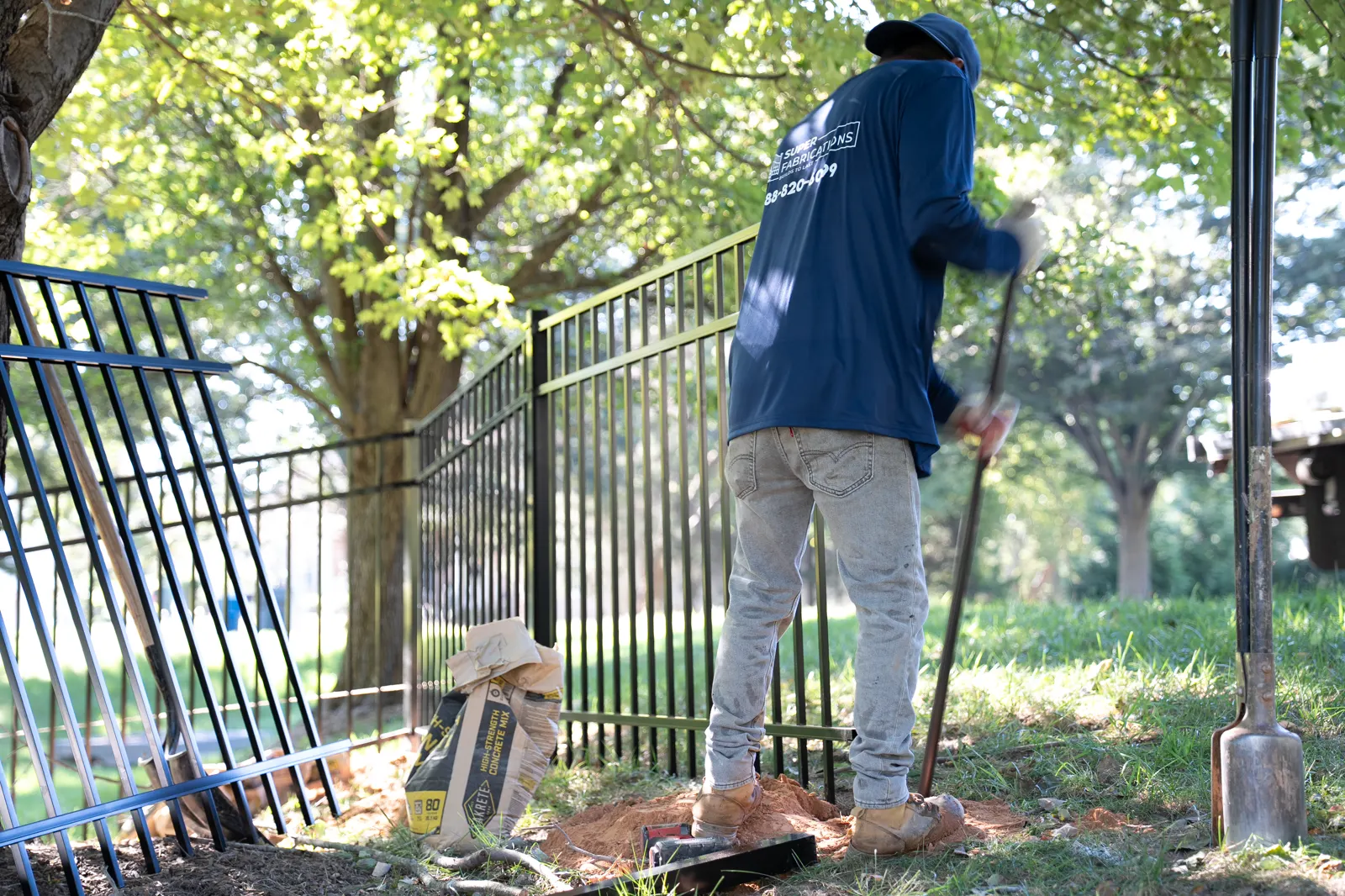
Stakes and string go in first, so the line you approved is the line we build. Posts follow, set below the frost line in concrete, because a fence is only as straight as what holds it — and concrete cures on its own clock, so we schedule around the forecast rather than promising into a storm. Assembly comes close behind: rails, panels, pickets, and gates hung and adjusted until the latches meet true. On a typical residential run, the visible transformation takes a day or two; the preparation in front of it makes that speed possible.
What is the walkthrough for?
The job ends with you walking the fence beside the crew lead: every gate opened and latched, every line sighted, every question answered before the truck leaves. A walkthrough is how a fence gets signed off honestly — by the person who will live with it, not just the person who built it. Anything that looks wrong goes on the list while the crew and materials are still on site, which is the least costly moment in the project to fix it.
What does the contractor owe you after the walkthrough?
The job is not over when the truck leaves. A fence carries care notes for its first season — what to watch after heavy rain, when a gate hinge deserves a call — and any crew worth hiring stands behind its work. We leave you with the manufacturer documents where they apply, show you the gate adjustments you may need to make yourself, and answer the phone when something looks off. Fences are long relationships with a short installation; plan for both.
How does the job change between counties?
The construction barely changes; the paperwork does. Fairfax addresses often start sooner because no building permit stands in front of them. Montgomery County jobs carry a permit through the Department of Permitting Services for every fence. Washington DC adds its own layer, with street-adjacent fences reviewed under District rules and public-space lines watched closely. Height caps shift at each border too, which is why we confirm the local figures at the estimate instead of assuming the last job's rules carry over.
Want to size your own project before we walk it? Our fence cost calculator turns footage, material, and gates into a planning range. Then see our fence installation across Northern Virginia and request the on-site estimate that turns it into a real number. As Brent Fleetwood put it in a review posted on Google: "Ray was awesome! He was very knowledgeable and got everything permitted and had the project pushed through very fast."
Call (888) 820-6099 to start the sequence on your line.