
Every fence material is durable on its own terms. Wood lasts when it is sealed on a cycle, vinyl lasts when it is quality product correctly installed, and metal lasts practically forever with a hinge oiled twice a year. The complete guide to durable residential fencing is really a guide to matching material, maintenance, and style to the yard you actually have.
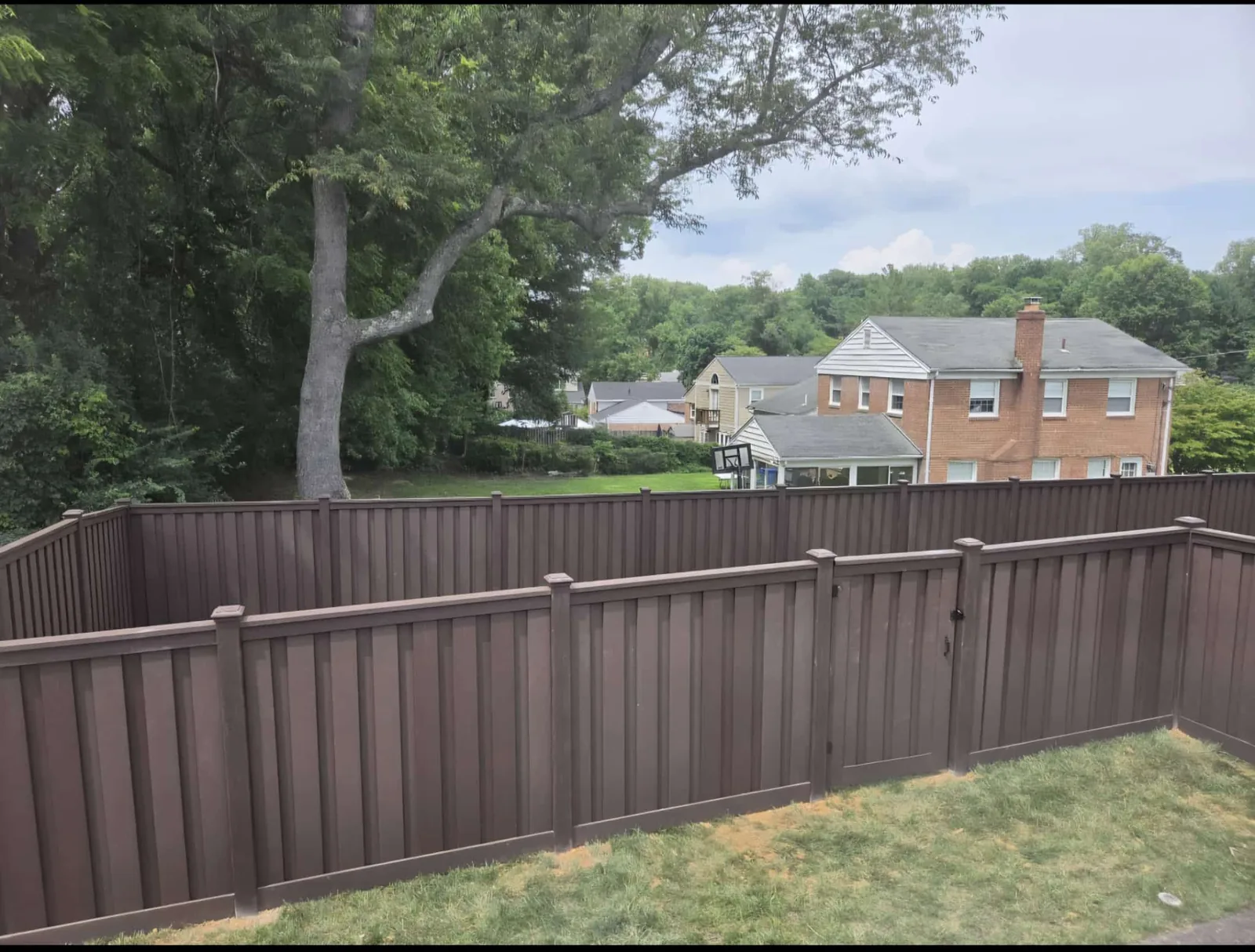
How long does each fence material actually last?
Treat these as planning ranges, not promises — your soil, sun, and upkeep move the number. Pressure-treated pine: a service life in the teens to low twenties with staining on a cycle. Cedar: a similar horizon with more natural rot resistance, and famously handsome as it silvers. Vinyl: commonly a quarter-century and beyond; it does not rot or rust, so the posts and the install quality decide its real life. Aluminum and ornamental steel: decades of finish life with almost no upkeep. Composite: vinyl-class longevity with a wood look. Galvanized chain link: decades of working life, which is why schools and backyards keep choosing it.
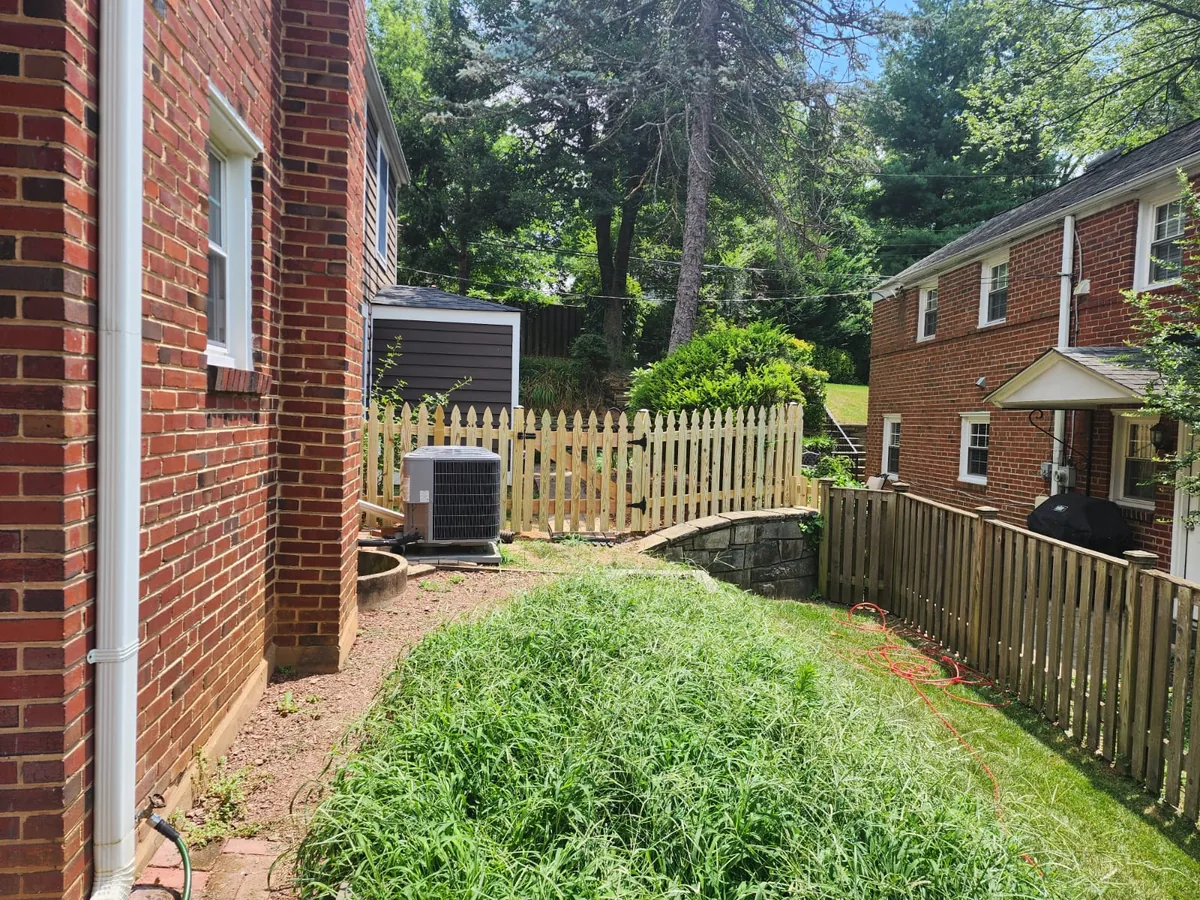
What maintenance does each material ask of you?
Wood asks for a staining or sealing cycle — plan on it every few years, sooner on sun-baked south faces — plus a spring walk to catch loose pickets and soil washing from post bases. Vinyl asks for a rinse and a glance at the post caps; it never takes a stain, and a cracked panel swaps out in one piece. Aluminum and steel ask for hinge oil and touch-up paint over scratches that reach bare metal. Composite asks the least of the wood-look options: no sealing, soap and water. Whatever the material, keep mulch and vines off the line — moisture held against any fence shortens every range above.
What does a seasonal walk actually catch?
Small things, early. A picket nail working loose in April is a two-minute fix; the same picket gone by September takes the rail with it. Soil washing away from a footing after spring rain, a post cap missing after a storm, a hinge that starts to grind — the walk finds them while they are cheap. Ten minutes along the line each spring and fall covers it. Homeowners who walk their fences replace boards; homeowners who do not replace fences.
Which styles stand up to wind and weather?
Solid privacy panels catch wind like a sail; shadowbox and spaced designs let it pass and hold their lines longer on exposed Loudoun fields and hilltop lots. Horizontal builds want closer rail spacing so long boards stay true. On wide-open properties, break long privacy runs with a gate section or a change of profile — the fence will thank you in every storm. Deep, properly footed posts matter more than any profile choice; most storm damage we repair started at a post set too shallow for our freeze-thaw clay.
How do hardware and gates affect durability?
The gate is the only part of the fence that moves, which makes it the first part to tell you the truth. Hinges rated for the leaf's weight, latches that engage without a shove, and a braced frame keep a gate working long after a cheap one has started to drag. Hot-dip or galvanized hardware matters everywhere our winters get salted. We treat gate hardware as a durability item rather than a trim item — the fence line holds still for decades, and the gate has to keep up.
What makes a fence durable from the ground up?
Three things, in order: post depth below the frost line, a footing sized for the soil, and hardware rated for the material's weight. Style and color are the last ten percent. When we estimate, the walk is mostly about the first three — slope, drainage, soil, and what the line must hold. If an existing fence is leaning or storm-battered, our fence repair crew can usually tell you in one visit whether the posts are worth saving.
Which material is durable enough for you?
Match the material to the maintenance you will actually do. Love working outdoors and want the warmth of real wood? Build wood and honor the staining cycle. Want to hang the tools up for good? Vinyl or composite. Want decades of straight lines for a fair price? Aluminum. Put the three side by side in our fence material comparison, then book the free on-site estimate. We will walk your yard, check the ground, and tell you honestly which material we would choose. Call (888) 820-6099.