
By Ray, owner — VA Class A contractor
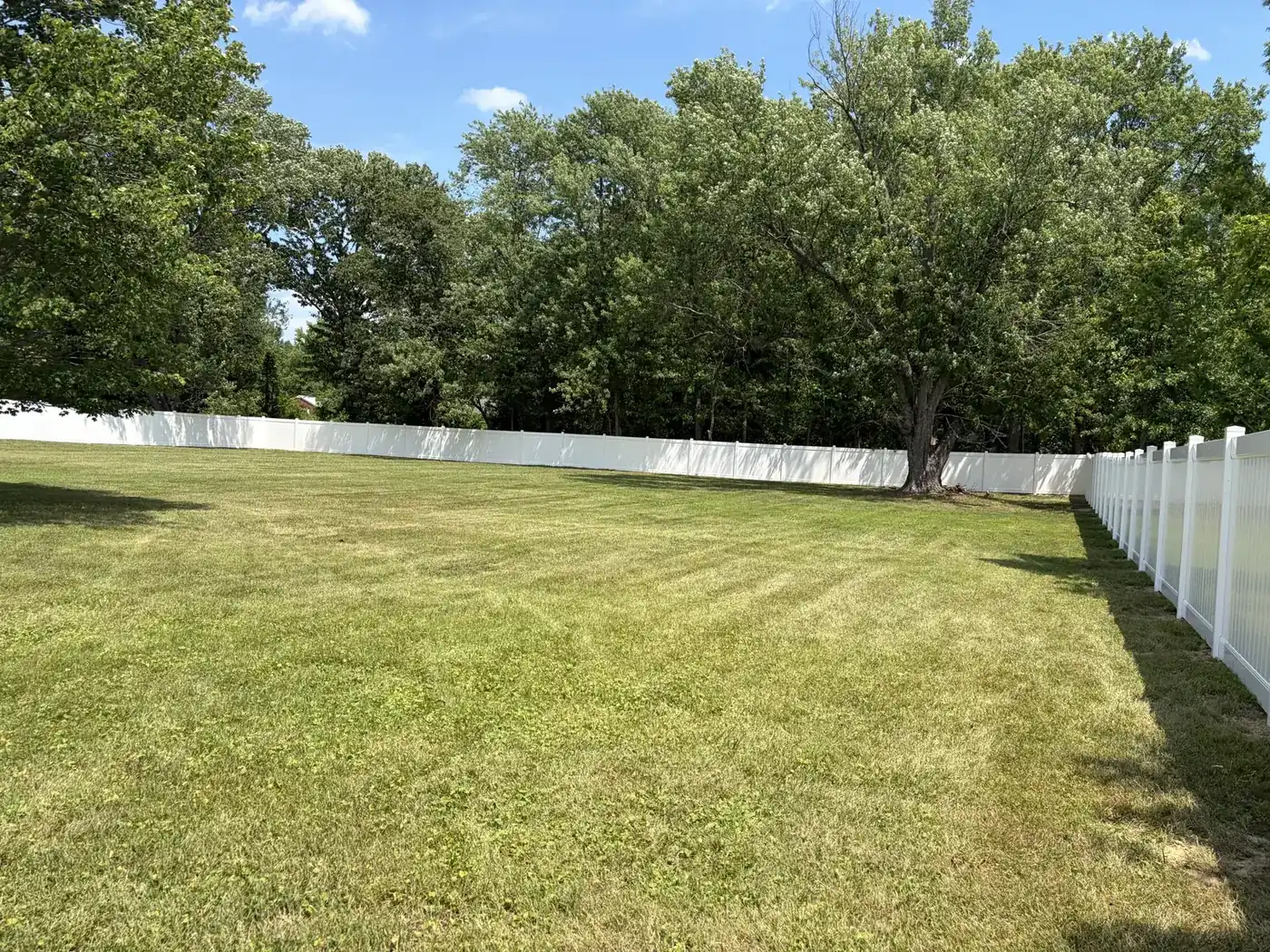
We install fences for a living, so the tempting answer is "absolutely, call us." The honest answer is more useful: a fence rarely shows up in an appraisal as a line item that repays its cost on its own. What it does is change who wants your house and what they will pay to skip the work. Here is how that reasoning actually runs.
How do appraisers treat a fence?
Appraisers work from comparable sales, and a fence shows up as one feature among many that make a property compete — site improvements, they call them. Two similar houses, one with a sound, code-legal fence and one without, do not price the same for the buyer who needs what the fence does. But the dollar figure rides on condition and fit: a well-built fence that suits the neighborhood contributes; a leaning stockade subtracts from how the whole yard photographs. Fences are not forgotten, but they are judged — never credited automatically.
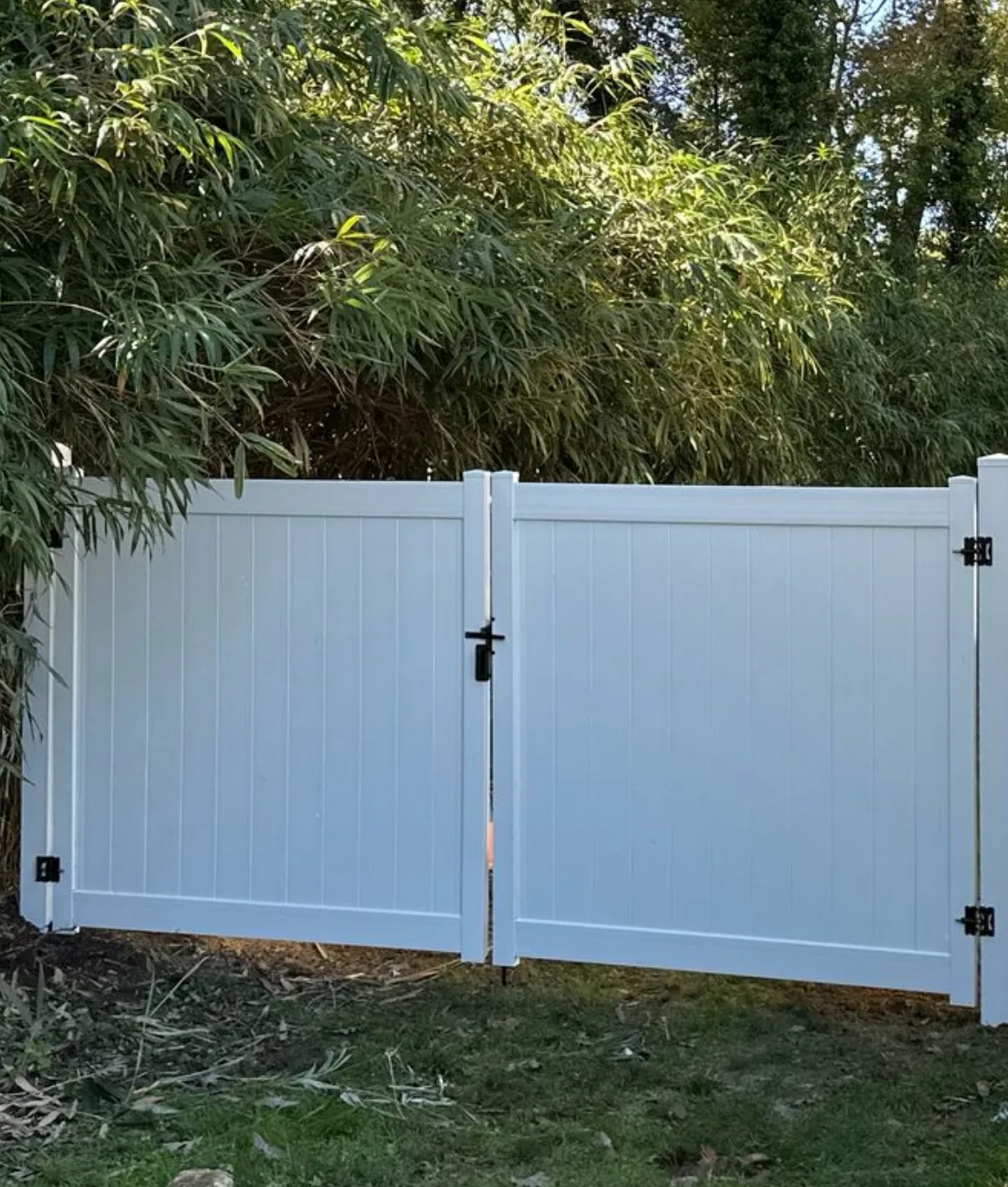
The practical takeaway for sellers is timing. A fence installed three summers before listing has had time to prove itself and settle into the yard; a fence installed the month before reads as a late scramble, however well built. If resale is on your calendar, the fence belongs a few seasons ahead of the sign.
Where does a fence help a sale most?
Where it removes a problem the buyer was budgeting for. A pool without a compliant barrier is a code liability, and the fence that solves it protects value rather than decorating it. A household with dogs reads a fenced yard as finished space they would otherwise pay to create — and rental owners find the same math from the other side, since a fenced yard supports rent and reduces turnover in pet-friendly markets. A yard backing to a road, a trail, or a busy neighbor's lot sells on the privacy fence the way it would sell on the room it replaces. In each case the fence is worth what the problem was worth, which is why we ask what problem your fence is solving before we talk materials.
Where does a fence not help?
When it fights the property. A solid wall across a yard whose main feature is the view subtracts. A style that clashes with the streetscape — anything the HOA would flag — reads as a project to the buyer, not a feature. A fence that eats the yard's prime light, or blocks the deck's view of the garden it should frame, works against the property in a way no spec sheet shows. And a fence in poor condition is worse than none: buyers price repairs pessimistically, so a tired fence discounts the yard it sits in. The worst-value fence we see is the one built cheap a decade ago and maintained never.
Which materials hold their value longest?
The ones that look maintained with the least effort. A vinyl line at year ten looks the way it did at year one, which is exactly what a buyer's walkthrough rewards. A wood fence at year ten tells the story of whoever owned it — kept stained, it reads as cared-for charm; skipped, it reads as next spring's project. Aluminum and iron hold similarly well out front. The pattern underneath all of it: value follows condition, and condition follows how much care the material demanded.
What should you build if resale matters?
Build it right the first time and maintain it, because condition is the whole difference between contribution and liability. Keep it inside the height caps your county or town sets, inside your property line, and inside your HOA's rules — the fences that complicate sales are almost always the ones that broke a rule somewhere. Choose a material with a long, low-effort prime; our vinyl versus wood comparison walks that choice. Keep the receipts and permit paperwork with the house file, so a buyer can verify the fence was permitted and built to code. And build the fence your household actually needs today, because the buyer three years from now wants what you want.
If a fence is on your list this year, we will price it honestly and build it to hold its value. See our fence installation across Northern Virginia, call (888) 820-6099, or send an estimate request.