
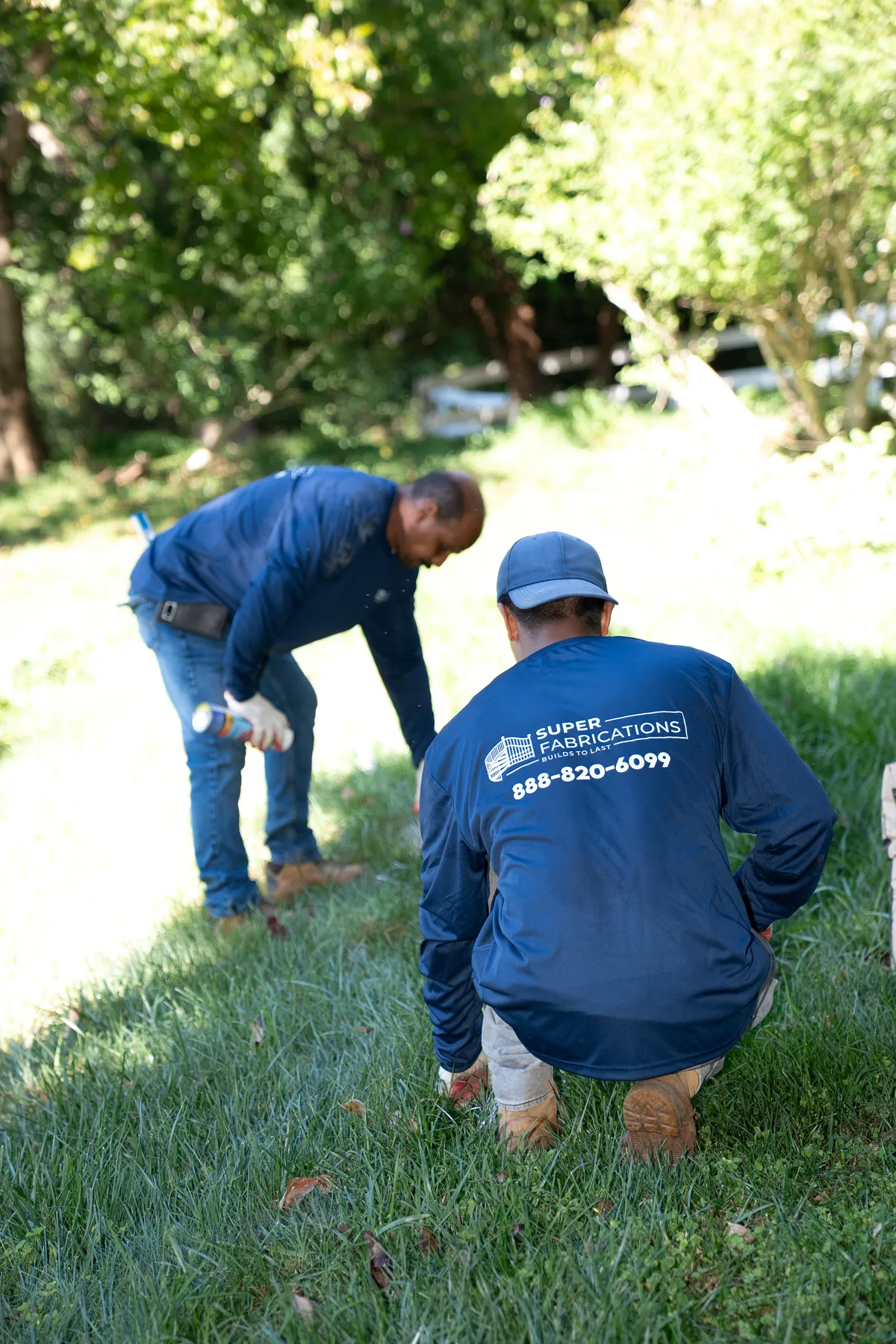
A fence looks simple: posts, panels, a gate. That simplicity is why do-it-yourself fence projects fail in predictable ways. We repair and replace enough owner-built fence across Northern Virginia and Maryland to know the pattern. Here are seven mistakes that end up costing more than the contractor quote would have.
Why do shallow posts cause the first failure?
Posts carry the entire fence, so post depth is the whole game. In our climate, posts need to sit deep enough to resist frost and hold a privacy panel in a straight-line wind. Set them shallow and the first wet season finds them. The tell is easy to read by fall: a line that leaned in July is leaning further in October. Fixing it means re-digging and re-setting posts — usually every post on the run, not just the worst one. Concrete matters too: it needs time to cure before the fence leans on it, and gate posts deserve a wider, stiffer footing than the line posts on either side.
Did you skip the call to 811?
Every dig in Virginia, Maryland, and DC starts with Miss Utility — call 811 first. It is free, it is required by law, and the locate takes a few days. Gas, electric, data, and water lines run through front yards in every neighborhood we work. Striking one costs far more than a fence, and the repair bill is the small part of that problem. Michael Kitlan said it plainly in his Google review: "Ray helped with the whole process, including the Miss Utility." That step belongs on your list too, before the first hole, not after.
What do wrong hardware choices cost?
Interior-grade screws and uncoated brackets rust fast outdoors. Rust bleeds down white vinyl, stains wood, and lets a hinge work loose. Then the fix is not a new screw — it is a stripped hole, a cracked rail, or a gate rebuilt around enlarged hardware. Wood also moves with humidity, and hardware sized for indoor furniture cannot follow the movement. Exterior-rated, coated hardware costs a little more at the register and none of that trouble later.
Why do DIY gates sag by the second summer?
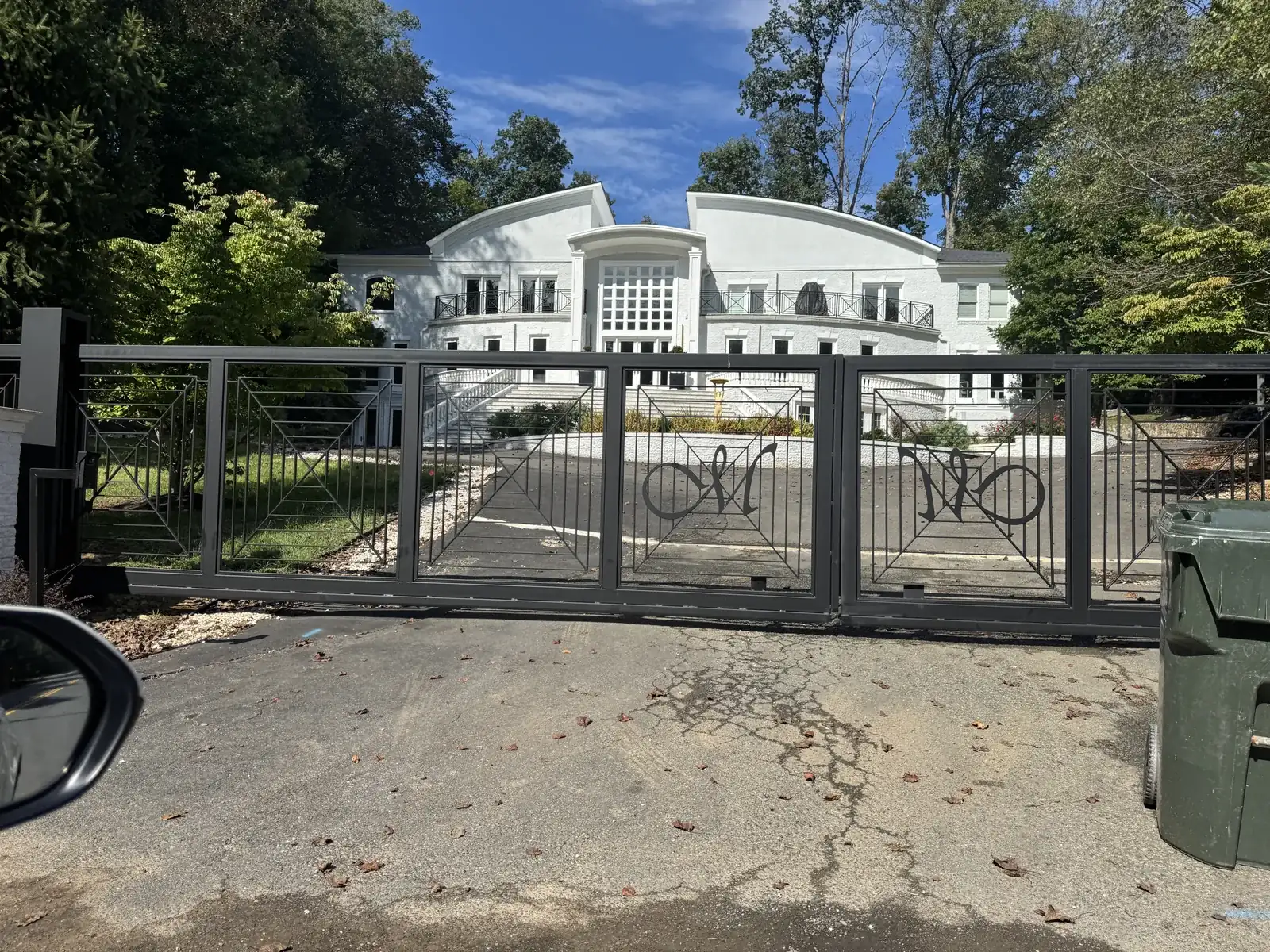
A gate is a moving machine hung on two posts. Owner-built gates sag when the gate posts are set like line posts, the hinges are undersized, or the frame has no bracing. Once a gate drags, you are rebuilding the gate and usually the posts with it. Set gate posts deeper and stiffer than the run, size the hinges for the weight, and brace the frame so the corners stay square.
Where does the fence actually sit?
Guessing a property line is the mistake that turns friendly streets hostile. Fences built a foot over the line come down, and finished work rarely survives the move. Pull out the survey plat before the first hole. If the line is unclear, a survey costs less than rebuilding a 200-foot fence on the wrong side of it. It also settles the question before a neighbor has to raise it.
Did you pick a material for the photo, not the yard?
A light panel that looked airy in a catalog may not hold an exposed corner lot. Wood at ground contact in damp shade rots early without the right treatment. A fence around a pool carries barrier requirements of its own. Match the material to the site — wind, shade, water, and who uses the yard — and the fence lasts its full life instead of half of one.
What happens if you skip permits or the HOA?
Montgomery County requires a permit for any fence, and several Virginia jurisdictions have zoning rules that bite on height and corner lots. HOA covenants are a second layer. Work that skips both can be stopped mid-build, and undoing a finished fence costs more than the permit ever did. A stop-work notice in the middle of a project also leaves the yard open while the paperwork catches up.
When is a contractor the cheaper call?
Count the variables: slope, an old fence to remove, permits, gates, a live property-line question. Two or more of those, and a professional install usually costs less than one redo. We carry the augers, the coated hardware, and the crew, and the redo risk sits with us instead of with you. If you have inherited any of the problems above, our fence repair crew in Northern Virginia can quote the fix. Before the next project, read our guide to choosing a fence company in Northern Virginia — then call (888) 820-6099 for a free estimate.