
A business does not buy "fence." It buys the absence of break-ins, the control of one entrance, and the ability to tell an insurer or an inspector that the site is secured. Choosing the right high-security fencing means deciding three things together: a profile that resists climbing, a height your jurisdiction allows, and gates tied to genuine access control.
What makes a fence hard to climb?
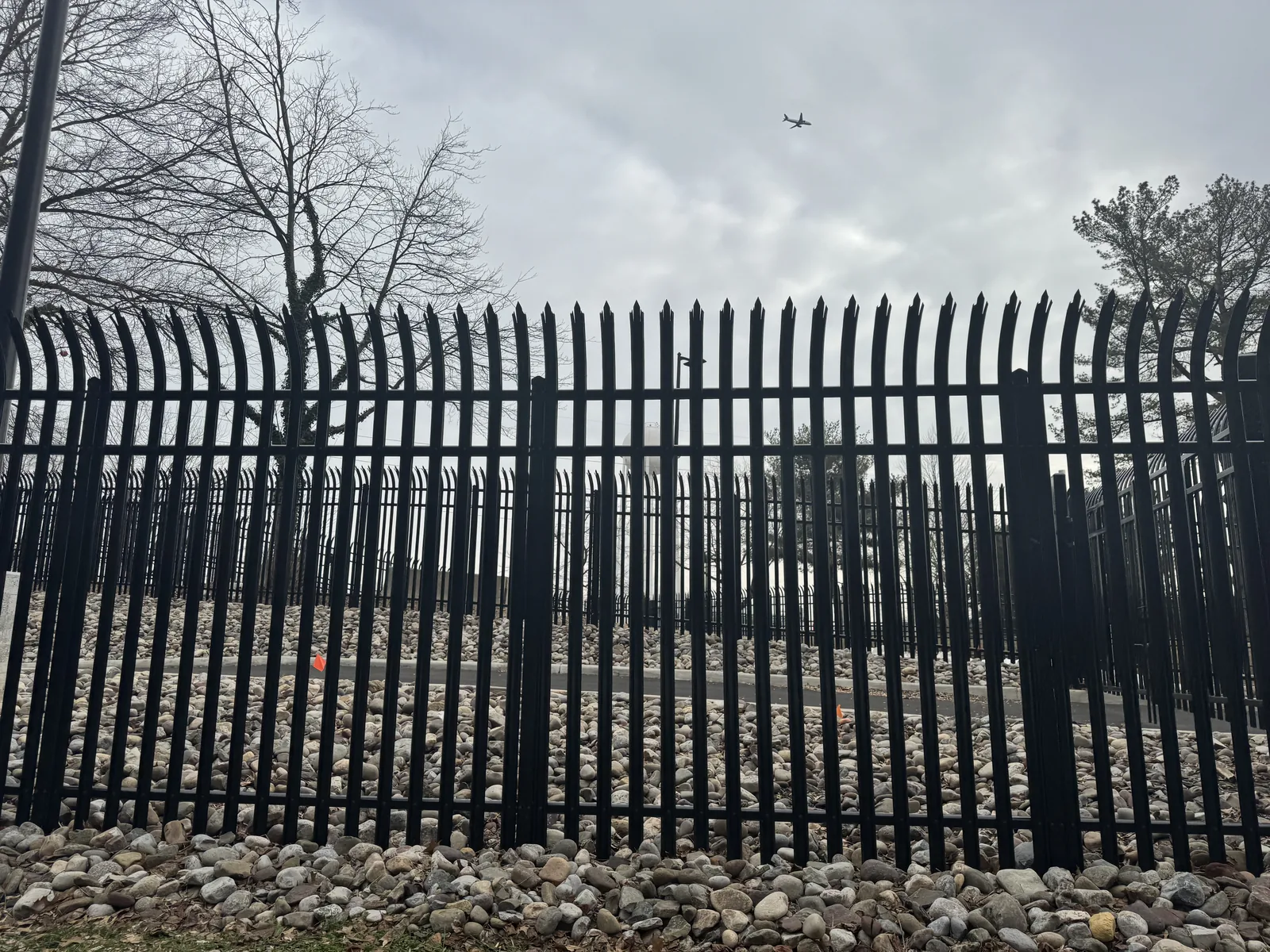
Climbers need a foothold. Deny the foothold and most attempts end at the line. Spear-top and triangular pickets leave nothing flat to stand on; tight picket spacing denies a toe hold between the bars; and panels without decorative crossbars keep the design honest, because a crossbar at knee height is a ladder step in disguise. Steel with a spear-top profile is our workhorse for commercial perimeters — strong, visible from the street, and hostile to hands and boots alike. Where the threat picture demands more, high-tensile wire and anti-climb mesh join the plan. The point is not one magic product; it is a profile with no convenient handholds for its full height.
How does zoning shape fence height?
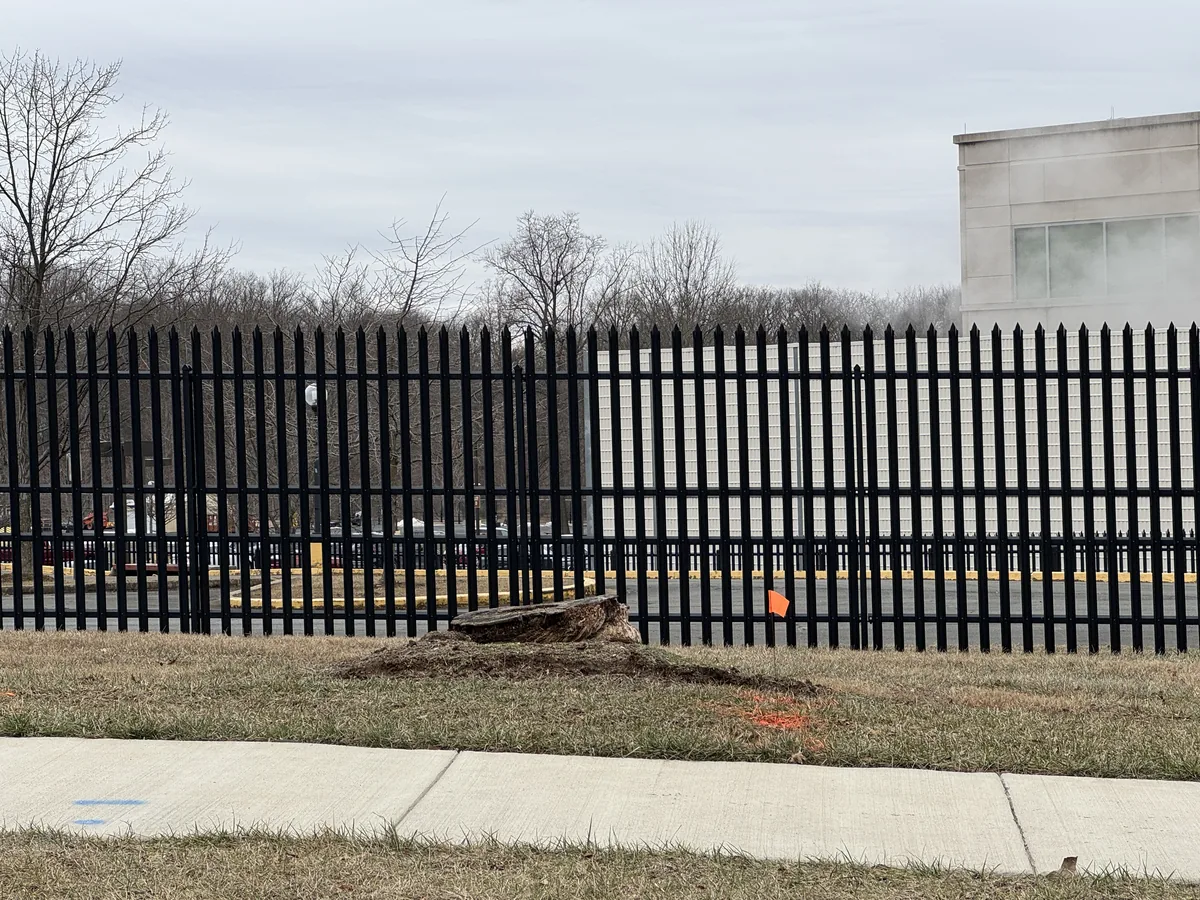
Height is where security plans meet the permit office. Commercial fence rules differ across our region — by county, by zone, and often by which side of the lot faces a street — and a frontage that allows ornamental four-foot may permit eight-foot security steel along the rear line. Frontage visibility rules, corner-lot provisions, and special districts all move the ceiling. Government-occupied and school-adjacent parcels answer to their own standards on top of the county code.
We verify the rules for your specific parcel before the design is final, so the fence that stops climbers is also the fence that passes inspection. Where the code caps the height at the front, we spend the security budget where it counts — height and anti-climb steel along the rear and side lines, visibility and access control at the street. Design to the legal maximum where it matters; add cameras and lighting where the code says no.
Why do gates decide the outcome?
A secure line with an open gate is a suggestion, not a fence. Gates are the point where security fencing becomes access control: vehicle gates wide enough for deliveries, swing or slide configuration matched to the driveway, and operators that close and relock behind every vehicle. Keypads, card readers, and remotes put the record in your hands; an operator that relocks automatically closes the gap every tired human forgets at 6 p.m. on a Friday. Our automatic gate installation work pairs LiftMaster operators with commercial frames built for cycle counts a homeowner never reaches.
What belongs in the full security plan?
Think in layers. The fence line sets the boundary and buys delay. The gate sets the control point and the record. Sightlines and lighting provide the deterrence the fence cannot, and they belong on the plan even when we are not the trade installing them. Storage cages put a second wall around the equipment and materials that attract theft from inside the perimeter. We plan all four together on commercial fencing projects across Northern Virginia and Maryland, because a gap in any layer is where the other three get tested. Layering is affordable insurance: each layer buys time, and time is what the rest of the plan converts into a response.
What does maintenance look like for security fencing?
A security fence is a system, and systems drift. Hinges loosen, an operator battery fades, a gate stops relocking square, a delivery driver props the secondary gate open "just for a minute." Schedule a walk of the line: cycle every gate, test every latch, and confirm the operator still relocks on its own. When a vehicle finds the fence — it happens on working sites — close the gap properly instead of wiring it shut. A half-maintained security fence is a boundary suggestion, and the whole point was to stop suggesting.
How do you start?
With a site walk. We measure the perimeter, mark the gate positions, check the zoning picture for your parcel, and price the plan in writing. The estimate is free, and the walk is where the real design decisions get made. Call (888) 820-6099 and tell us what the fence needs to keep out — we will tell you honestly what it takes.