
Most fence problems we are called to fix were hired, not built. A crew that set posts shallow, a scope that never mentioned the gate, a deposit paid with no paper trail. Choosing the right fencing expert is a checklist, and every item on it can be verified before you sign anything.
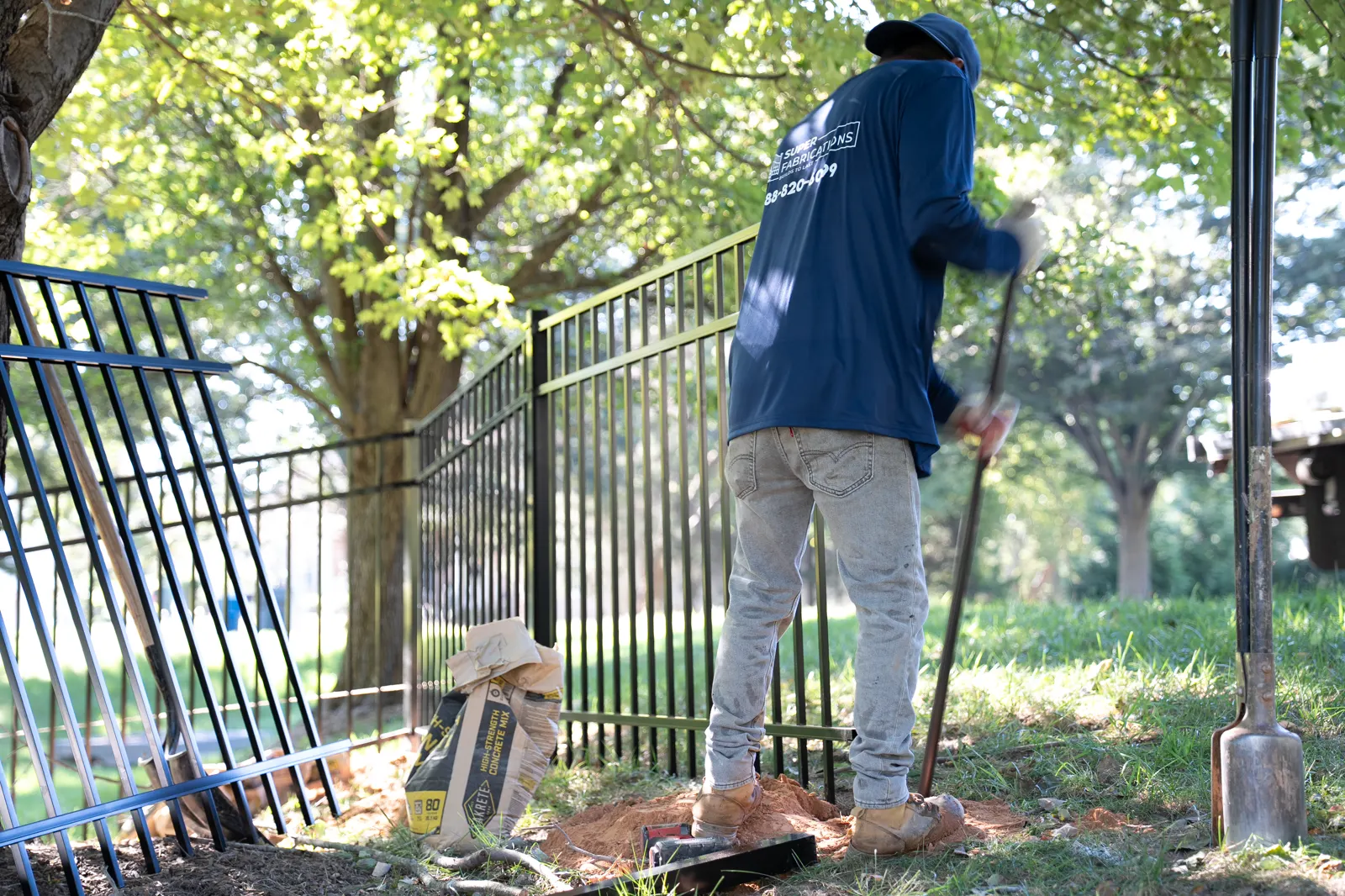
What should you verify before signing?
License first. In Virginia, contractors doing real residential and commercial work hold a state license, and a Class A license is the top tier of that system. Ask for the license class and number, then look it up on the state's site — it takes five minutes. Insurance second: ask for a certificate of liability insurance, ideally sent directly from the agent rather than a screenshot on a phone. Bonded third, if the company advertises it. We are licensed, bonded, and insured, with a VA Class A contractor license, and we expect every homeowner who calls us to check.
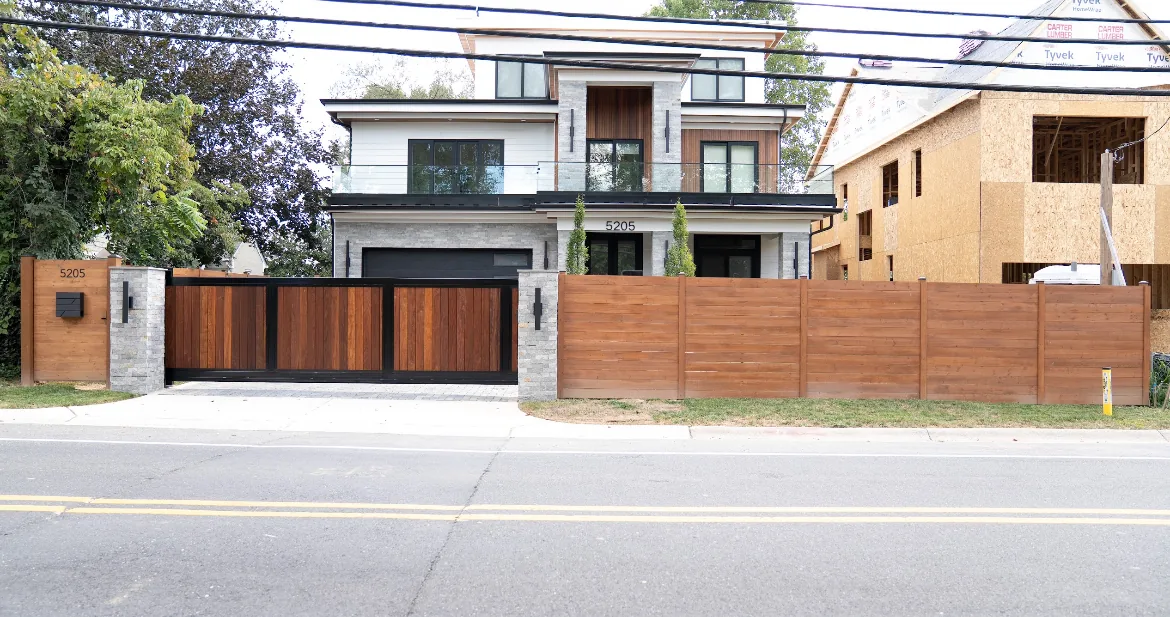
Why does a written scope matter?
A verbal agreement cannot tell you what happens when the crew finds rock at two feet. The written scope should name the material and grade, fence height and style, linear footage, gate count and widths, post depth, who hauls away the old fence, and who pulls the permit. If two estimates differ by hundreds of dollars, the difference is usually hiding in one of those lines. Our guide to choosing a fence company in Northern Virginia walks through each line item in order.
The scope also settles the disagreements that have not happened yet. When the neighbor asks why the finished side faces their yard, or the question of gate placement resurfaces mid-install, the paper answers instead of memory. Contractors who write careful scopes are telling you how they think; contractors who resist writing anything down are telling you the same thing.
What should references tell you?
Call two, at least. Ask three questions: Did the crew show up when the schedule said? Did the final invoice match the estimate? And what happened the first time something went wrong — because on a real job, something always does. Reviews answer the same questions at scale. Edgar Rios wrote in a review posted on Google: "Excellent service and professionalism." Short, but it is the pattern you are listening for: a crew that treated the property and the schedule with respect.
How should payments be scheduled?
A payment schedule is a map of the project. A reasonable one ties payments to progress: a deposit to order materials, a payment when posts are set, the balance after a walkthrough you take part in. Be wary of anyone who wants the majority up front, and equally wary of anyone who cannot explain when each payment falls. If financing enters the conversation, ask what options exist without committing to anything that day.
What does local experience add?
Regional knowledge is not a bonus in fence work; it is the job. Northern Virginia clay holds water against posts, Loudoun lots carry grades that step every panel, Montgomery County requires a permit for every fence while Fairfax generally does not, and HOA profiles change from one community to the next. A fencing expert who works these counties weekly already knows which questions to ask before you do. Ask a candidate how they handle rock or high water tables — the answer tells you how many local holes they have actually dug.
How can you judge communication before you hire?
Watch how the estimate visit ends. Did you get a written summary, or a handshake and a number? Did the visit cover gates, drainage, and the family dog, or only a grand total? We end every estimate with the scope on paper and the next steps named, because a project that starts clearly tends to finish clearly. The reviews collected on our reviews page describe how that order feels from the customer's side of it.
What is the one question that catches a weak contractor?
Ask: "What could go wrong on my yard, and what happens then?" A fencing expert who has set a thousand posts answers in specifics — rock, roots, a neighbor's grade, a buried line nobody mapped. A weak one promises nothing can go wrong. Hire the one who plans for weather and clay, and the rest of the checklist above becomes a formality. Call (888) 820-6099 to start with the walkthrough.