
Every fence company can build a straight line. What separates them is everything around that line: who answers the phone, who shows up, who comes back when the latch needs a nudge. This guide is the version we would hand a neighbor choosing between us and anyone else — local versus national, warranty, walkthrough culture, and the reviews that tell the truth.
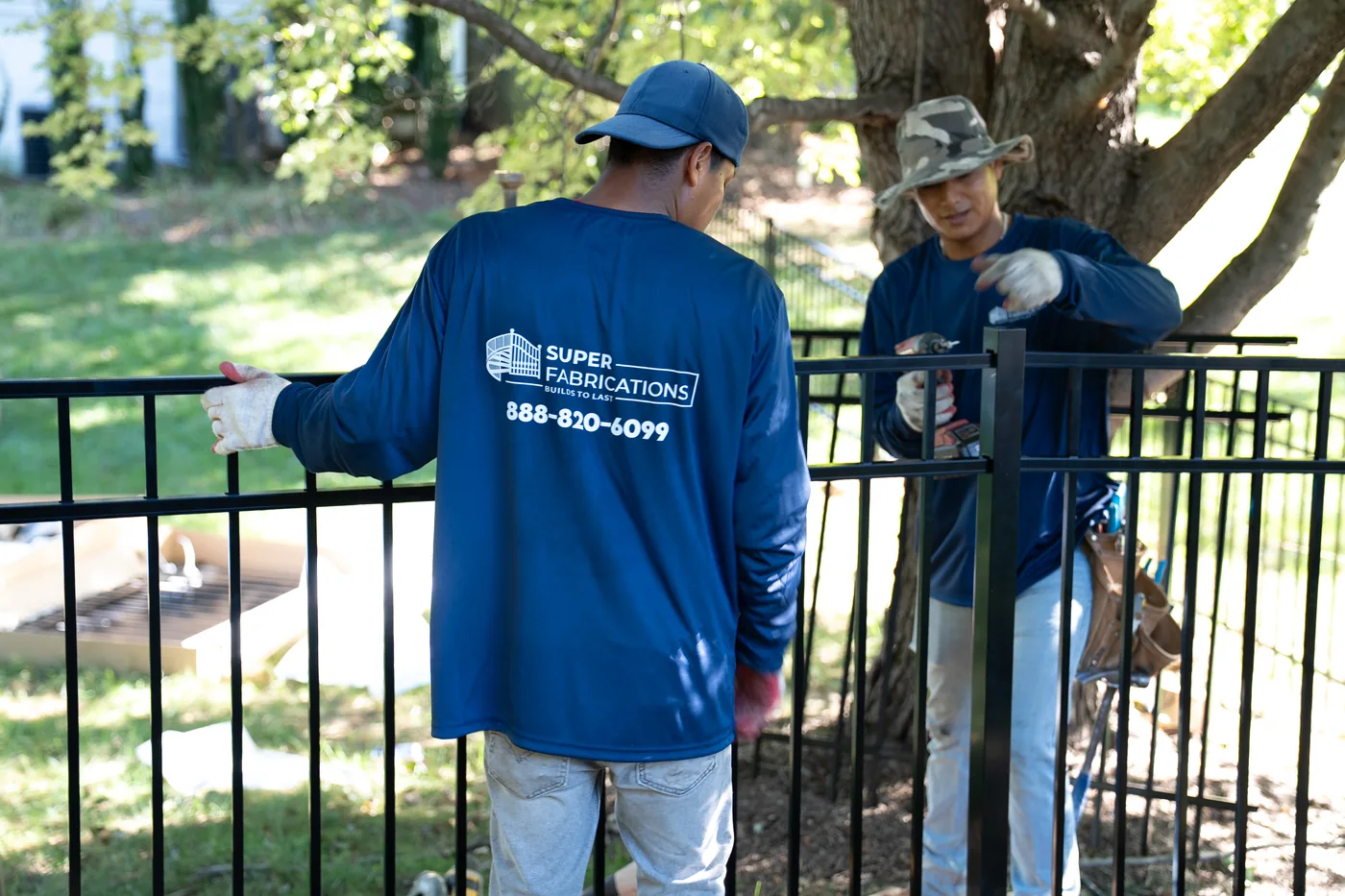
Local crew or national brand — which fits your project?
A national operation takes your order at a call center and hands the install to whichever subcontractor covers your ZIP code. That can work fine. What it trades away is continuity: the person who sold the job rarely sees the finished posts. A local company stakes your line, orders your materials, and stands in the yard at the end — because the owner will drive past this fence for the next twenty years. In Northern Virginia and Maryland, where clay, slopes, and township rules vary from Vienna to Rockville, that continuity is worth real money. Ask any bidder one question: who personally checks my fence before you call it done?
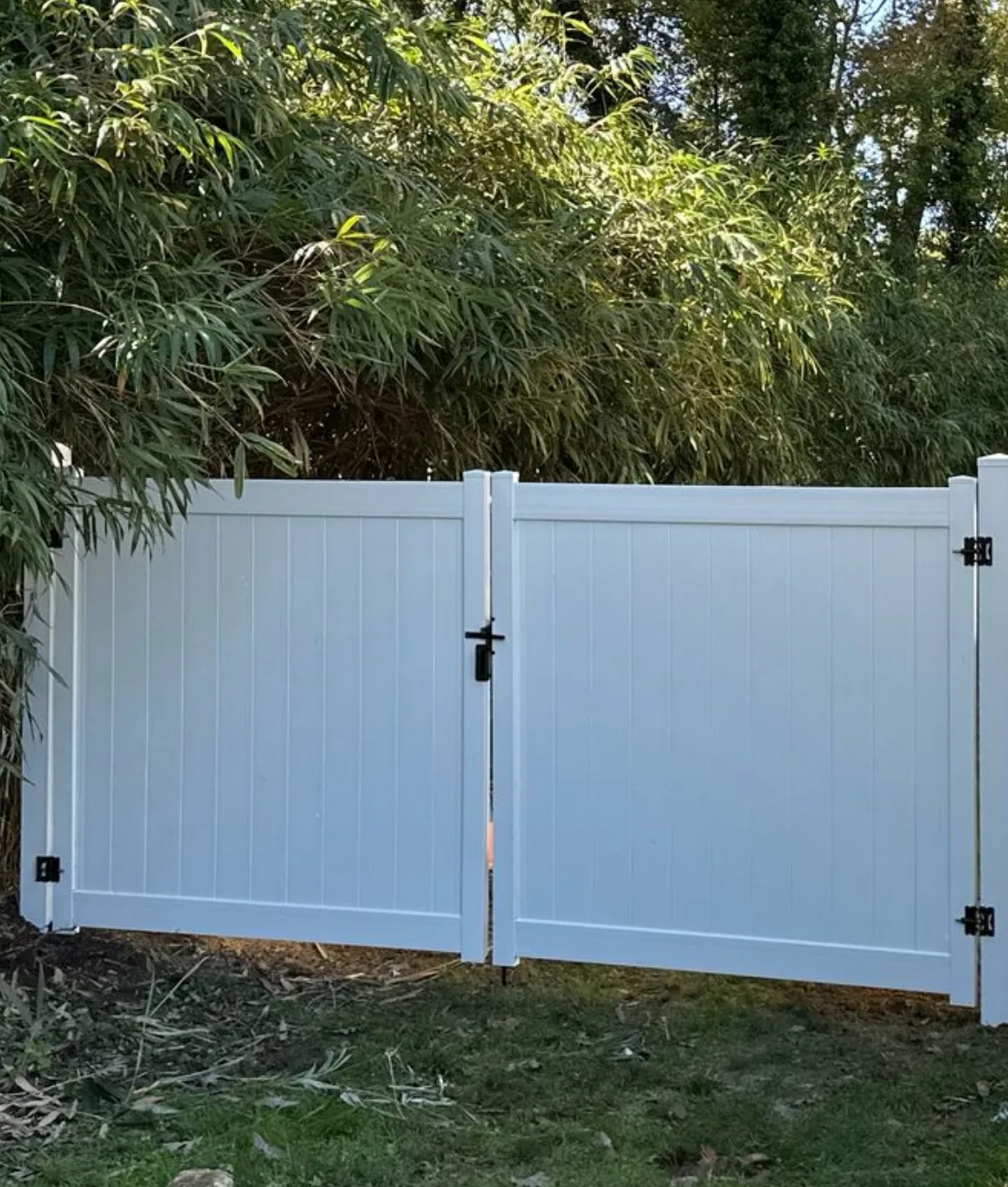
What does a local company know that a call center does not?
The specifics that decide your fence. Which county requires which permit, where the clay turns to rock, how a particular HOA reviews fence requests, which town requires the finished side to face out. That knowledge lives in crews, not in brochures, and it shows up in the small calls: a post set an extra foot deep on a wet lot, a height trimmed to pass an Arlington zoning check, a style steered away from a profile the board will reject. A company that works one region learns it; a company that works everywhere learns generalities.
What should a warranty actually cover?
Read two things: what is covered and who honors it. A workmanship warranty is only as strong as the company behind it — a ten-year promise from a crew that scattered means nothing. Manufacturers' warranties on vinyl and hardware are separate from the installer's promise on posts and gates; know which is which. And ask what voids it. A fence that fails because a post was set shallow is a workmanship problem, not a weather story. Our fence company guide includes the warranty questions worth asking any bidder.
Why does the final walkthrough matter?
The walkthrough is where a fence company shows its culture. We walk the line with the customer at the end of every install: gates swung, latches worked, grade raked, debris loaded. A company that insists on the walkthrough is a company that expects the fence to pass it. And the culture shows afterward, too. Victor Aviles wrote in a review posted on Google that when a small issue came up after the install, "he sent his people back to rectify, very pleased with the service." The callback is the warranty you actually use.
How should you judge the first phone call?
The estimate visit starts before anyone drives over. Notice whether the company asks questions or only books a slot: address and county, fence purpose, pets, gate locations, whether an old fence needs removal. Those questions are the difference between a number and a plan. And notice the follow-up — a written summary with the scope and next steps tells you the office runs the way the crew will.
How do you read reviews with a sharp eye?
Patterns beat stars. Look for reviews that name people, describe timing, and mention what happened when something needed attention — those are written by customers who watched the work closely. Vague five-word praise tells you little; a story about a crew returning to adjust a latch tells you plenty. We keep every Google review we earn on our reviews page, verbatim, so you can judge the pattern yourself.
How do you start the comparison?
Get estimates from two or three companies, on your property, and compare the way they work as much as the numbers they quote. Did they measure? Did they ask about the dog and the drainage? Did they mention the permit before you did? Those details predict the install better than any brochure. The estimate is free, and a walkthrough costs you nothing but an hour. Call (888) 820-6099, add us to your short list, and see how the conversation goes.