
By Ray, owner — VA Class A contractor
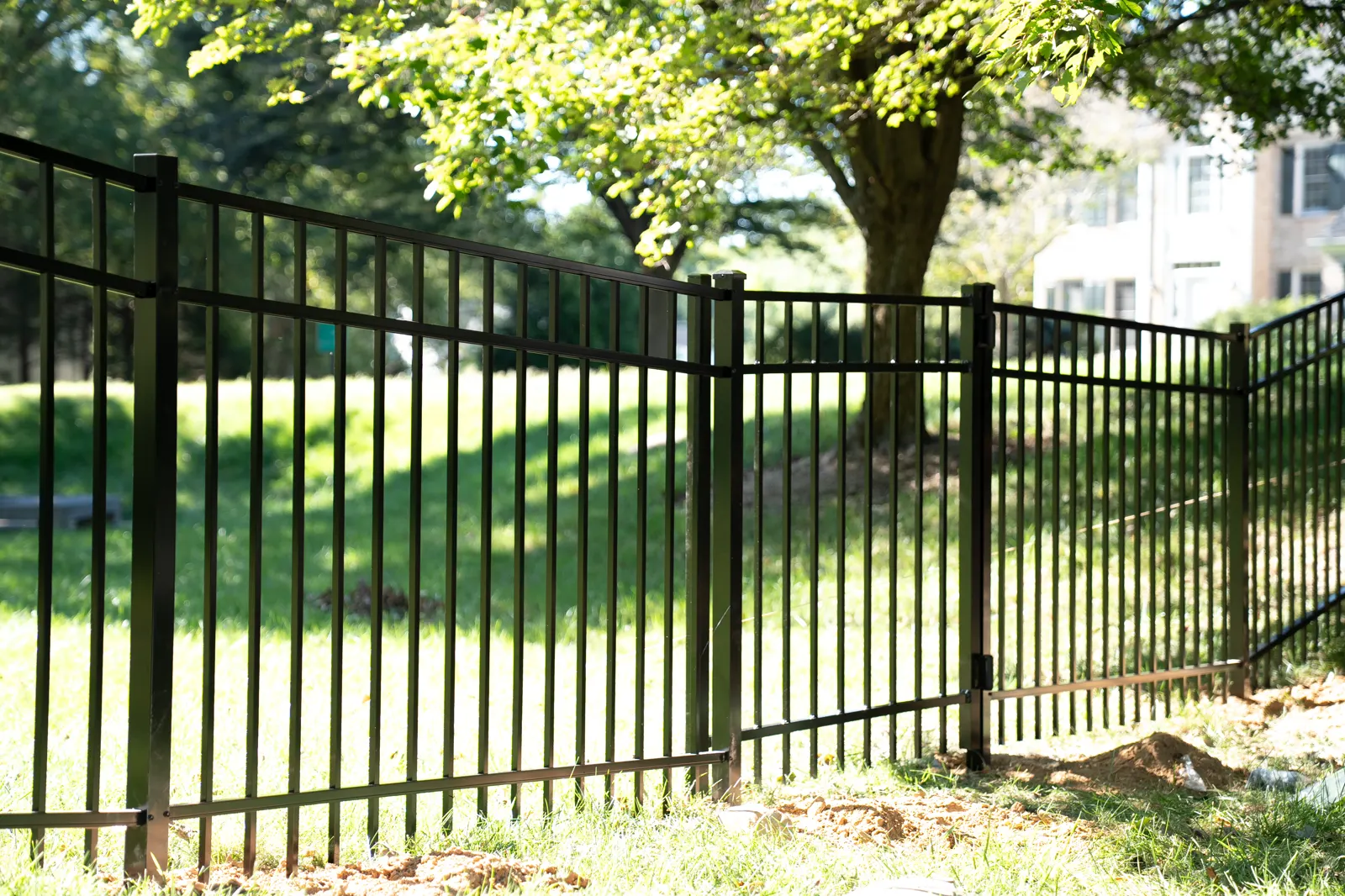
This is the numbers post. Aluminum versus wood gets argued in tastes and adjectives; we would rather show you what each material costs per foot, what each one asks of your weekends, and where the totals settle after a decade in Northern Virginia weather. Your estimate confirms the figures for your own footage.
What does each material cost per linear foot?
Here are the planning ranges we put on estimates, installed, before gates and removal.
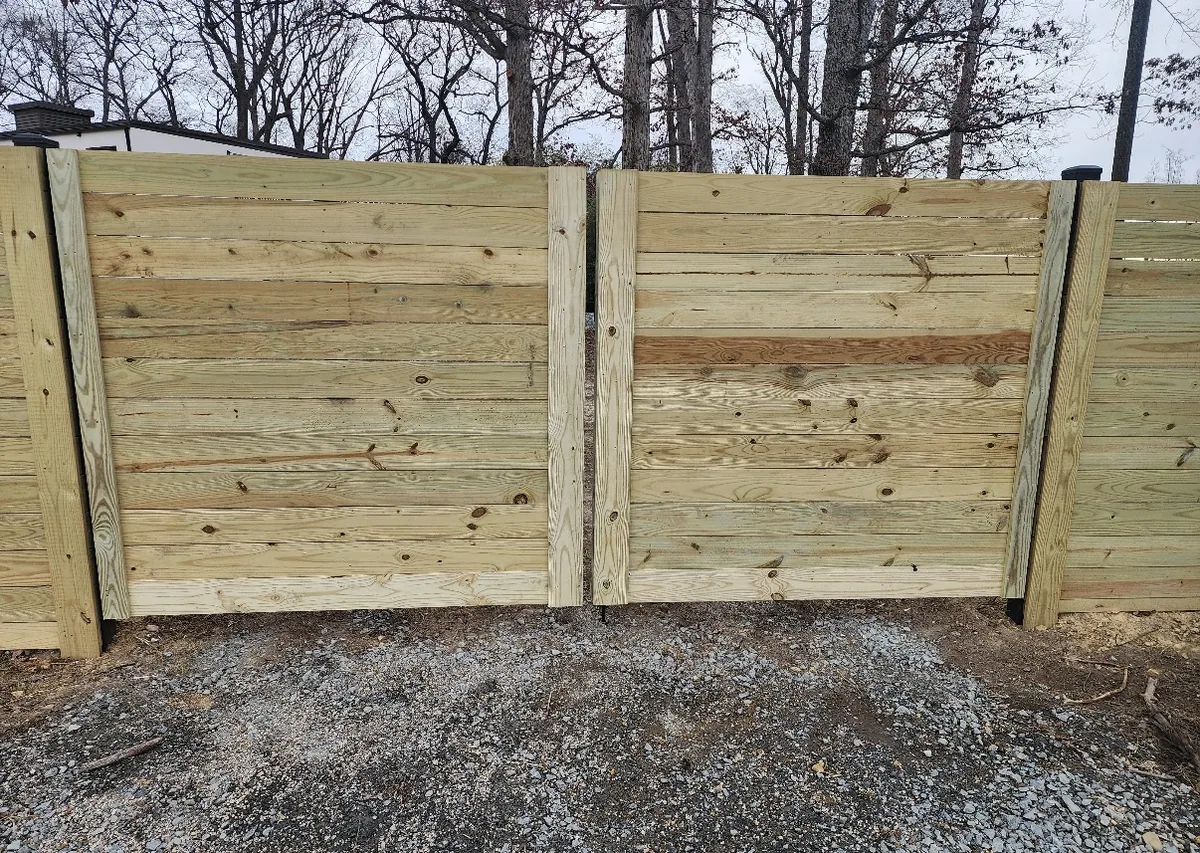
| Material | Typical planning range, installed |
|---|---|
| Wood privacy (6-foot) | $30 to $60 per linear foot |
| Aluminum open fence | $40 to $75 per linear foot |
Style moves both numbers. A cap-and-trim wood build prices above a plain stockade, and a taller aluminum grade with finials prices above a straight-top run — so an ornamental aluminum line and a humble wood run can trade places. Gates, old-fence removal, and slope add to either column. Treat every figure here as a planning range, not a quote; our fence cost guide explains what moves the numbers.
How do gates and removal move the totals?
Budget them as their own lines. A walk gate adds modestly to either material; a double driveway gate adds materially. Tear-out and haul-away of an old fence is its own line, priced by footage and disposal, and slope adds labor on both materials equally. When two estimates differ by hundreds, the difference usually lives in one of those three lines — find it before comparing the per-foot figures.
What does each one ask of you after install day?
| Upkeep item | Wood | Aluminum |
|---|---|---|
| Finish | Stain or seal cycle every few years | Baked-on coating — none |
| Seasonal care | Board and rail swaps as cracks and warps appear | Hardware glance each spring |
| Cleaning | Optional; wash before re-staining | Hose rinse when pollen season ends |
| Common repair | Replace individual pickets and rails | Straighten a bent picket; rare |
That second table is where the decision actually lives. Aluminum's higher first number is, in large part, prepaying the finish work wood will bill you later in dollars and Saturdays.
How do the totals settle over ten years?
Run the arithmetic honestly. Wood's lower entry price buys a fence that needs a stain cycle around year three, year six, and year nine, plus the occasional board — supplies and labor or a solid weekend each time. Aluminum asks for a rinse and a hinge check. Five years in, wood's first re-stain is due; fifteen years in, aluminum has had four rinses a year and nothing else. The gap between the two first costs narrows every year you own the fence, and for many owners it closes entirely somewhere in the second stain cycle. Neither story is wrong — they are simply different owners' calendars.
When does wood win?
When the budget is real now, when you want solid screening at the lowest entry cost, and when the warmth of actual timber suits the yard — a shaded quarter-acre reads different in cedar than in black metal, and that is a legitimate vote for wood. Wood also takes do-it-yourself repair better than any material we install: a handy owner can swap a picket with what is already in the garage, which quietly lowers its lifetime cost. Shade is wood’s friend, too — a fence under heavy tree cover never dries out enough to punish a missed stain cycle the way a full-sun run does. A maintained wood fence looks like home to a lot of buyers, too.
When does aluminum win — and what about privacy?
Around pools, along front walks and garden lines, and anywhere the priority is marking a boundary beautifully and forgetting about it: open sightlines, code-friendly heights, no finish cycle, no rot. On privacy, honesty helps — aluminum is an open fence, and a neighbor's second-story window stays in view. Privacy-backed aluminum panels exist, but they surrender the material's lightness at a price above wood privacy. The answer most of our customers land on: aluminum along the open lines, and a solid run of wood or vinyl along the neighbor line where screening is the actual job. See both families on our aluminum fence installation and wood fence installation pages.
Call (888) 820-6099 or send an estimate request, and we will price both materials on your actual footage — then the tables become your numbers.